
Neighbor's Tree Fell on My Property: Responsibility, Insurance & Next Steps
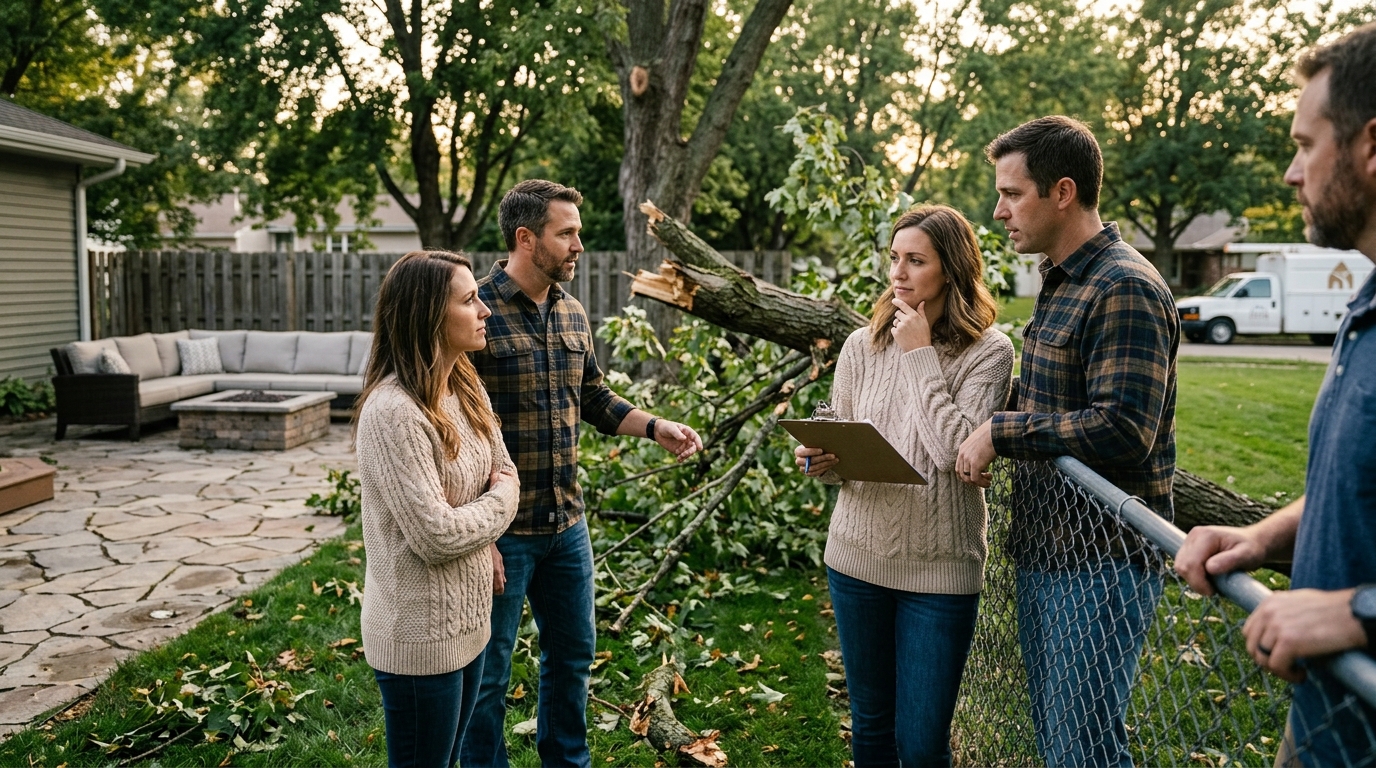
If a neighbor's tree falls on your property, you are generally responsible for the damage to your own structures, while the neighbor is liable only if they were negligent. Your homeowners insurance typically covers the removal and repair costs, subject to your deductible. This guide explains how liability works, how to document the incident, and how to handle subrogation claims.
Homeowners Insurance Coverage
Homeowners insurance is a policy that protects your dwelling and personal property from sudden and accidental damage. When a tree falls on your house, garage, or fence, your policy typically covers the structural repairs. The removal of the tree is also covered, but usually up to a specific limit per tree, often between $500 and $1,000. If the removal cost exceeds this limit, you pay the difference out of pocket.
It is important to understand that insurance covers damage, not maintenance. If a tree falls in your yard and hits nothing, your insurance will not pay for its removal. This is considered routine yard maintenance. However, if the tree blocks your driveway or a wheelchair ramp, some policies may cover the removal cost. Always check the debris removal section of your specific policy for exact wording and limits.
What is covered under a standard policy
Standard HO-3 policies, which most homeowners carry, cover sudden events like wind, lightning, or ice. If a neighbor's tree falls on your roof due to a storm, your insurance pays for the roof repair and the tree removal. The neighbor's insurance is not your first call. You file a claim with your own insurer, who then handles the recovery from the neighbor if negligence is proven.
What is not covered
Insurance does not cover damage from flood or earthquake unless you have separate endorsements for those perils. It also does not cover the removal of a standing dead tree that you knew about but did not address. If you ignored a hazardous tree and it later fell, your insurer may deny the claim. This is why proactive tree care is essential for protecting your financial interests.
Documentation and Evidence
Documentation is the process of recording facts and conditions to support a claim or legal position. In the context of a fallen tree, this means capturing visual and written evidence immediately after the incident. This evidence helps your insurer assess the damage and determines whether the neighbor was negligent. Without proper documentation, it is difficult to prove that the tree was hazardous before it fell.
Photographing the scene
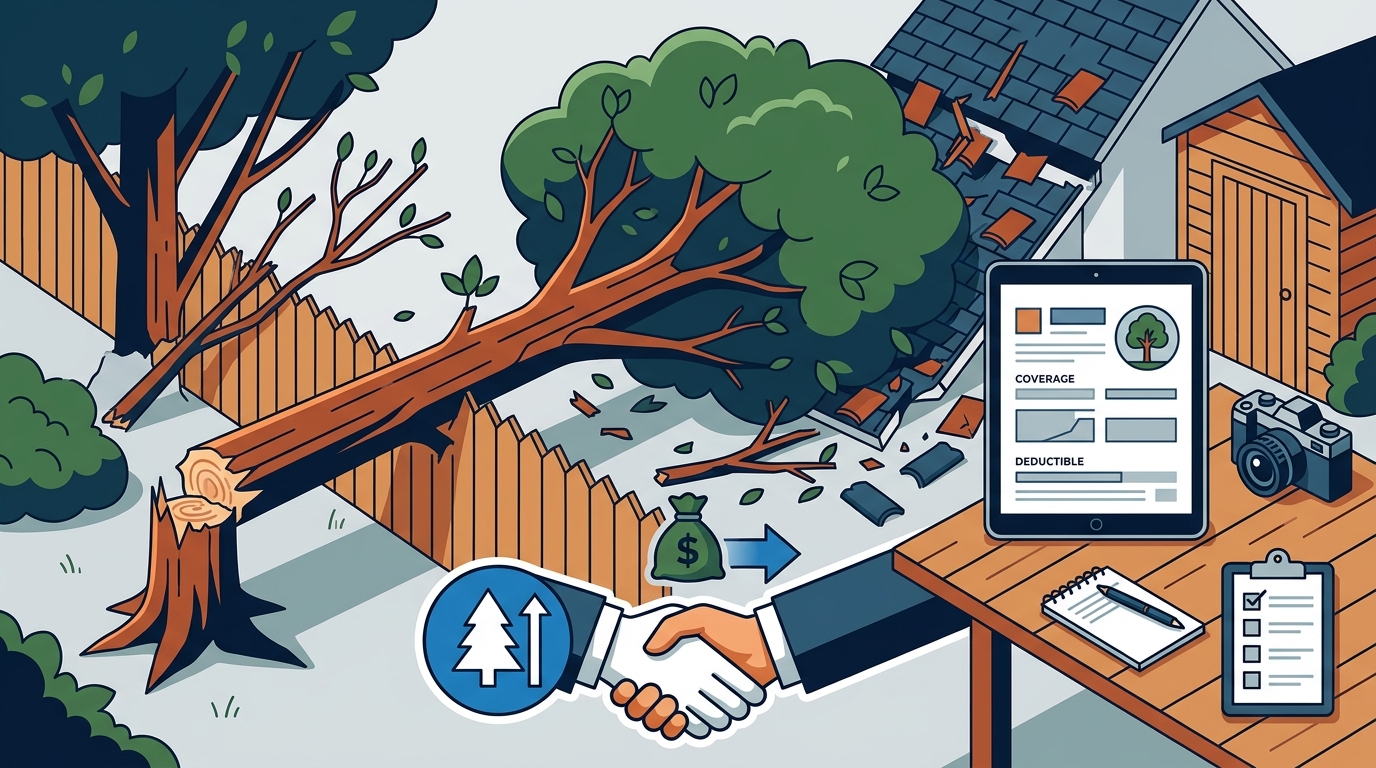
Take wide-angle photos of the entire scene to show the tree's position relative to your house, fence, or driveway. Then take close-up photos of the damage to your property. Photograph the base of the tree, including any cracks in the soil or lifted roots. These details can indicate whether the tree was unstable before the storm. Do not move the tree or the debris until you have captured all necessary evidence.
Recording the timeline
Write down the date and time the tree fell. Note the weather conditions at the time, such as wind speed or rain intensity. If you had previously reported the tree to your neighbor or a local arborist, gather those records. A history of neglect, such as ignoring a dead tree, strengthens a case for negligence. This timeline helps your insurer and any legal counsel understand the sequence of events.
Subrogation Claims
Subrogation is a legal right that allows an insurance company to seek recovery from a third party who caused the loss. After your insurer pays your claim, they may file a subrogation claim against your neighbor's insurance company. This process is handled by the insurers, not by you. You do not need to sue your neighbor directly. Your insurer will pursue the recovery on your behalf if they believe the neighbor was at fault.
How the process works
Your insurer will investigate the cause of the fall. If they determine the neighbor was negligent, they will send a demand letter to the neighbor's insurer. The neighbor's insurer will then investigate and may accept or deny the claim. If they accept, they will reimburse your insurer for the amount they paid you. This process can take weeks or months. You should not sign any releases or agreements with your neighbor without consulting your insurer first.
Your role in the process
Your role is to cooperate with your insurer's investigation. Provide them with all documentation, including photos, timelines, and any prior communications with your neighbor. Do not admit fault or make statements that could be used against you. Let your insurer handle the negotiations. If the subrogation claim is successful, you may not need to pay your deductible, depending on your policy terms.
Key Takeaways
- Homeowners insurance typically covers tree removal up to $500-$1,000 per tree if it hits a structure.
- You are responsible for damage to your own property, while the neighbor is liable only if negligent.
- Document the scene with photos and a timeline immediately after the incident.
- Subrogation allows your insurer to recover costs from the neighbor's insurer.
- Do not sign any releases with your neighbor without consulting your insurer.
- Preventive tree care helps avoid denied claims for known hazards.
- TreeProfessionals.com provides plain-English answers to help you navigate these situations.
Frequently Asked Questions
Who pays for tree removal if it hits my house?
Your homeowners insurance typically pays for the removal and repair, subject to your deductible. If the neighbor was negligent, your insurer may seek recovery from their insurer through subrogation.
Do I need to sue my neighbor?
No, you do not need to sue your neighbor directly. Your insurer will handle the subrogation claim on your behalf if they believe the neighbor was at fault.
What if the tree fell in my yard and hit nothing?
Your insurance will not cover the removal. This is considered routine maintenance. You are responsible for the cost of removing the tree from your property.
How much does insurance pay for tree removal?
Most policies cap tree removal at $500 to $1,000 per tree. If the removal cost exceeds this limit, you pay the difference.
Should I talk to my neighbor's insurance company?
No, do not contact your neighbor's insurance company directly. File a claim with your own insurer, who will handle the communication with the other party.
What if I knew the tree was dead but didn't remove it?
Your insurer may deny the claim if you ignored a known hazard. Proactive tree care is essential for protecting your insurance coverage.
How long does a subrogation claim take?
Subrogation claims can take weeks or months to resolve. Your insurer will keep you informed of the progress.
Conclusion
When a neighbor's tree falls on your property, the situation can be stressful and confusing. Understanding how liability, insurance, and subrogation work helps you navigate the process with confidence. Document the scene, file a claim with your own insurer, and let them handle the recovery from your neighbor. For more plain-English answers on tree care, costs, and storm damage, visit TreeProfessionals.com.