
Recent Blogs

Online Directories vs. Direct Calls: Choosing Tree Pros
Choosing between an online directory and calling local tree companies directly depends on your comfort with research. Directories like TreeProfessionals.
Read More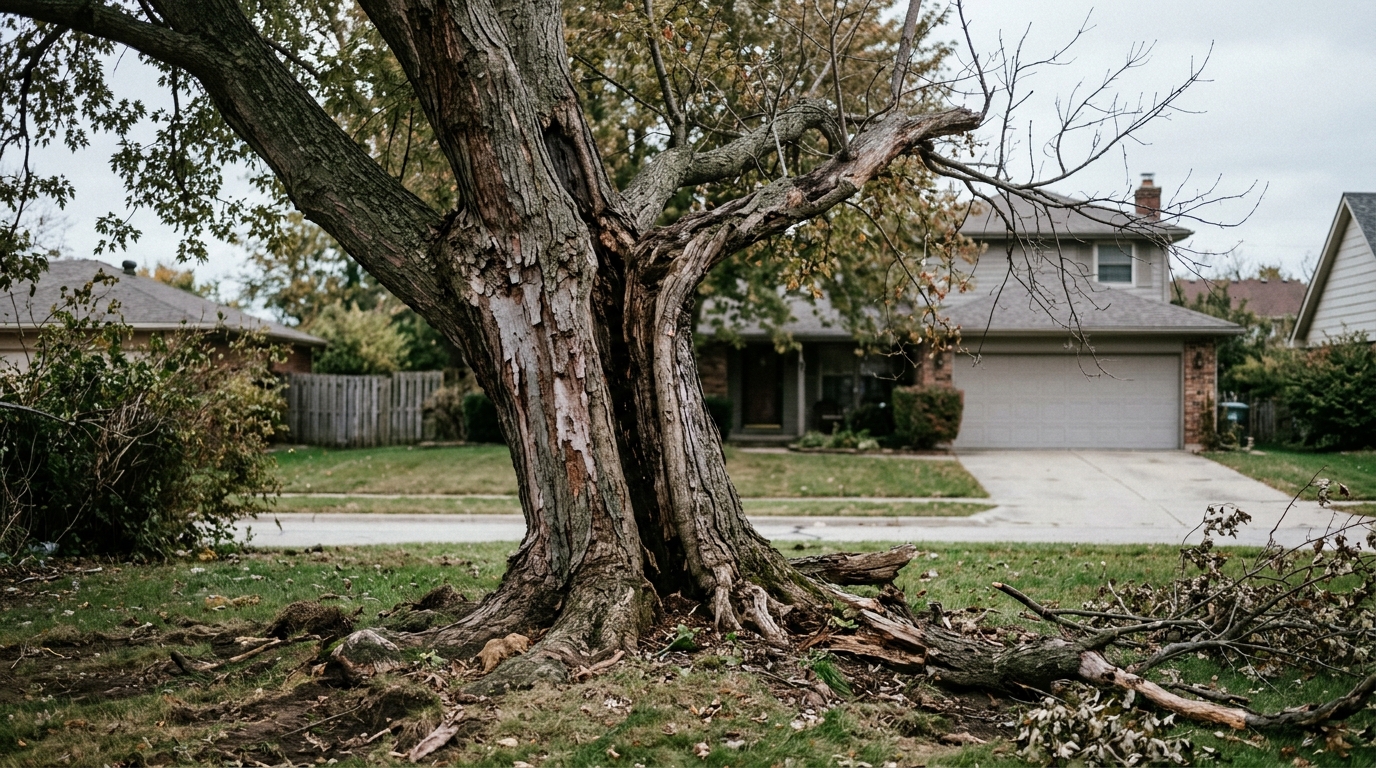
Structural Warning Signs of a Dangerous Dying Tree
A dying tree becomes dangerous when structural failure is imminent, indicated by sudden leaning, deep trunk cracks, or root heaving.
Read More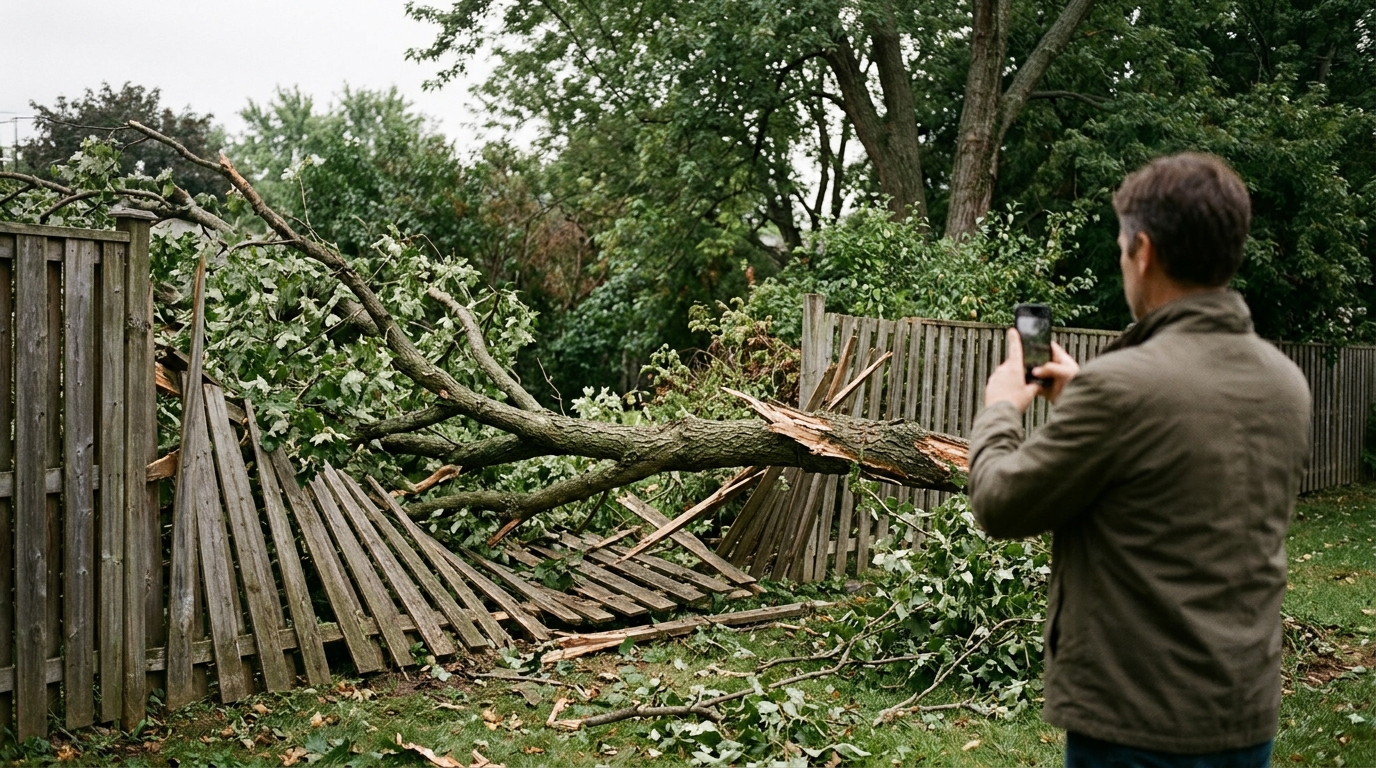
Evidence Checklist: Proving Neighbor Tree Damage
Photograph the tree base, trunk, and canopy from multiple angles before moving anything. Save timestamped images of the damage to your fence, roof, or car. Keep a written log of when you first noticed the tree's decline.
Read More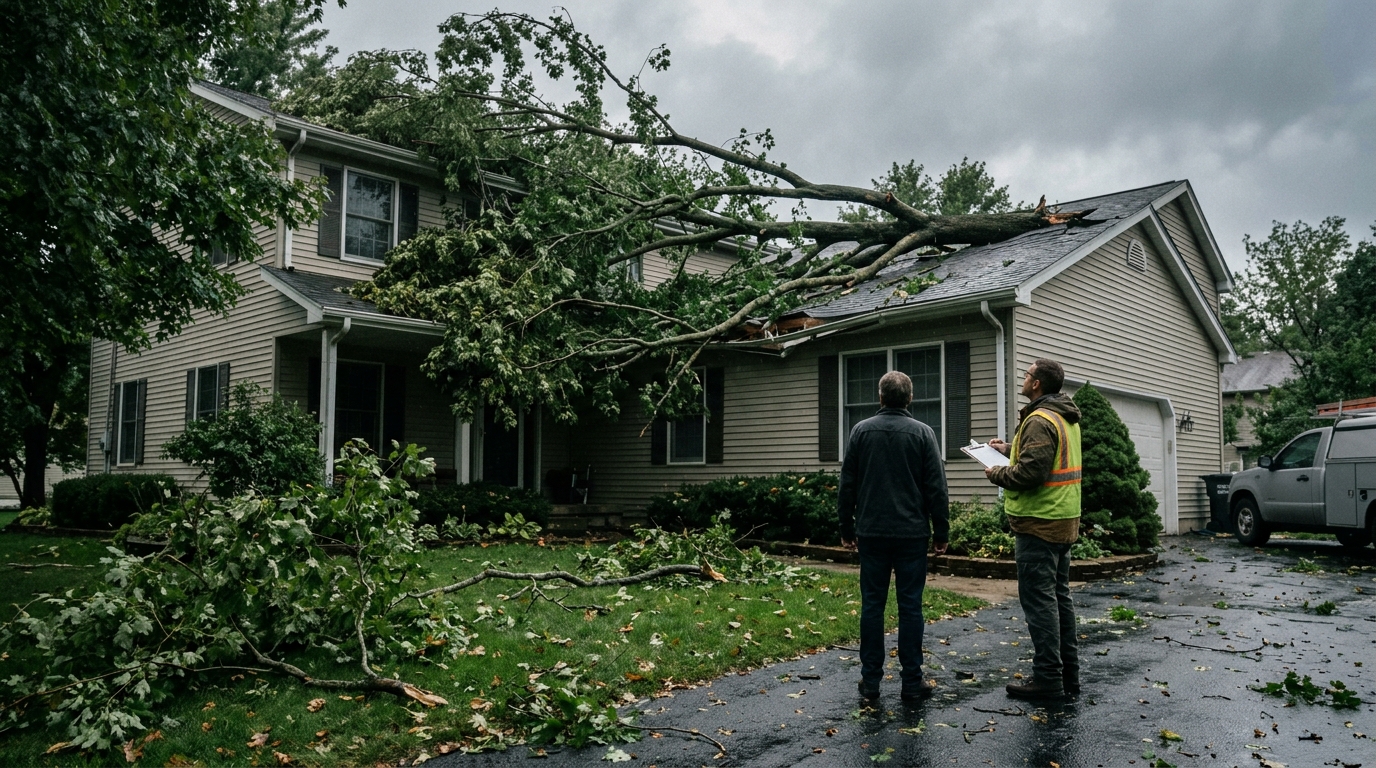
Filing an Insurance Claim After a Tree Falls on Your Roof
Filing an insurance claim after a tree falls on your roof involves documenting the damage, notifying your insurer, and coordinating with a licensed adjuster.
Read More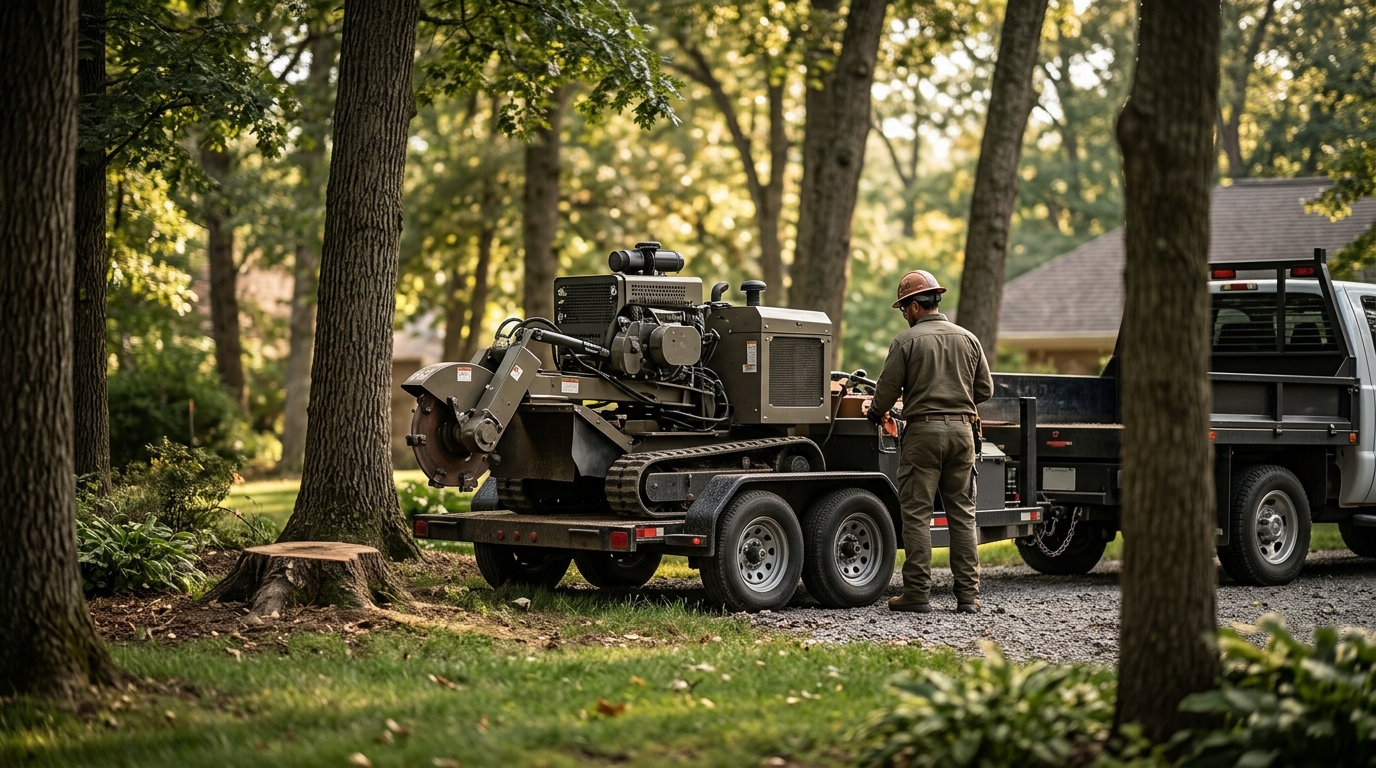
Stump Grinding Minimum Charge: What to Expect
Most tree service companies charge a minimum fee of $100 to $150 for stump grinding, regardless of the stump's size. This baseline covers the cost of transporting the heavy grinding equipment to your property.
Read More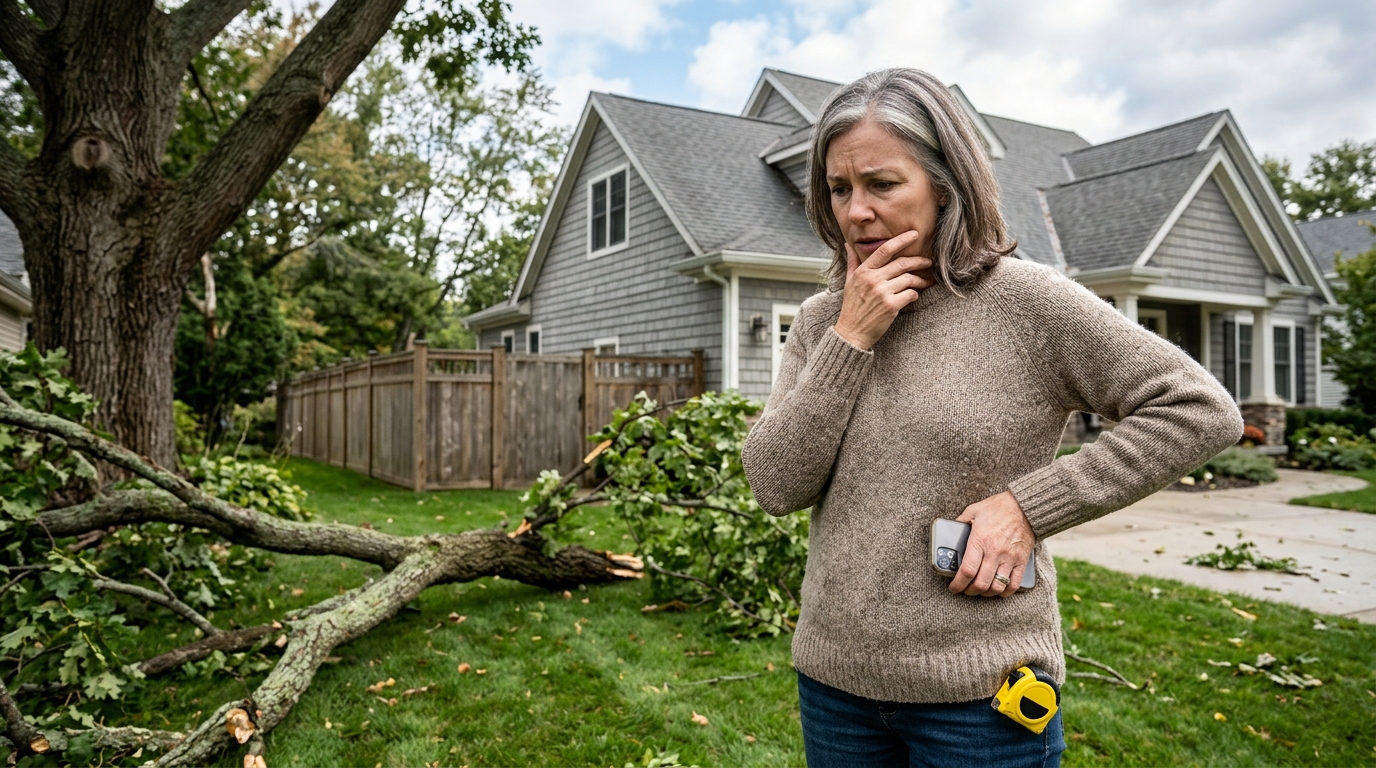
Tree Removal Insurance: Why Claims Get Denied
Homeowners insurance typically denies tree removal claims when the tree fell on the lawn without hitting a structure, or when the homeowner ignored a known hazard.
Read More
Tree Company Licenses and Certifications to Verify
TreeProfessionals.com explains that most US states do not license tree work, making insurance and professional credentials the primary verification tools.
Read More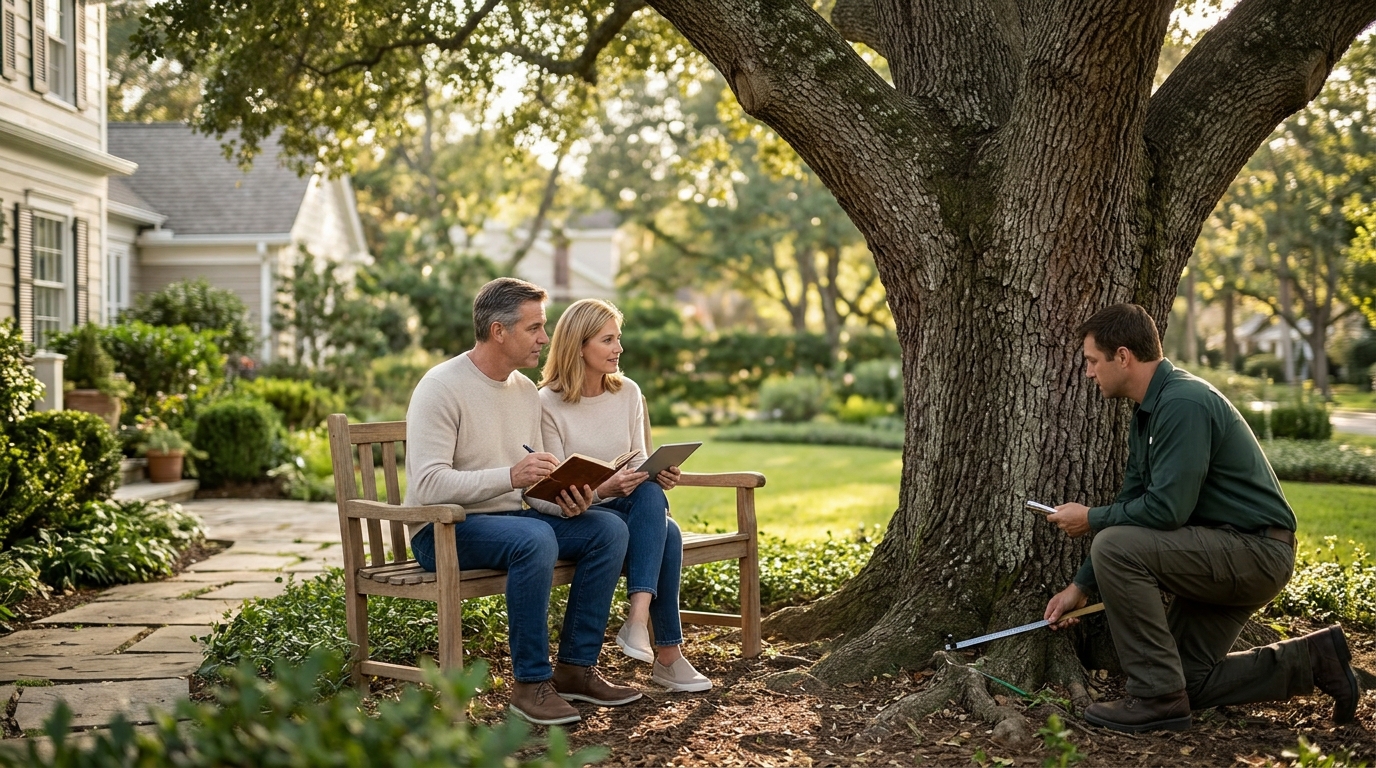
Protected Tree Types and Permit Requirements in the US
Protected trees are specific species, sizes, or locations designated by local ordinances that require a permit before removal. In the US, these rules vary by city, county, and homeowners association. TreeProfessionals.
Read More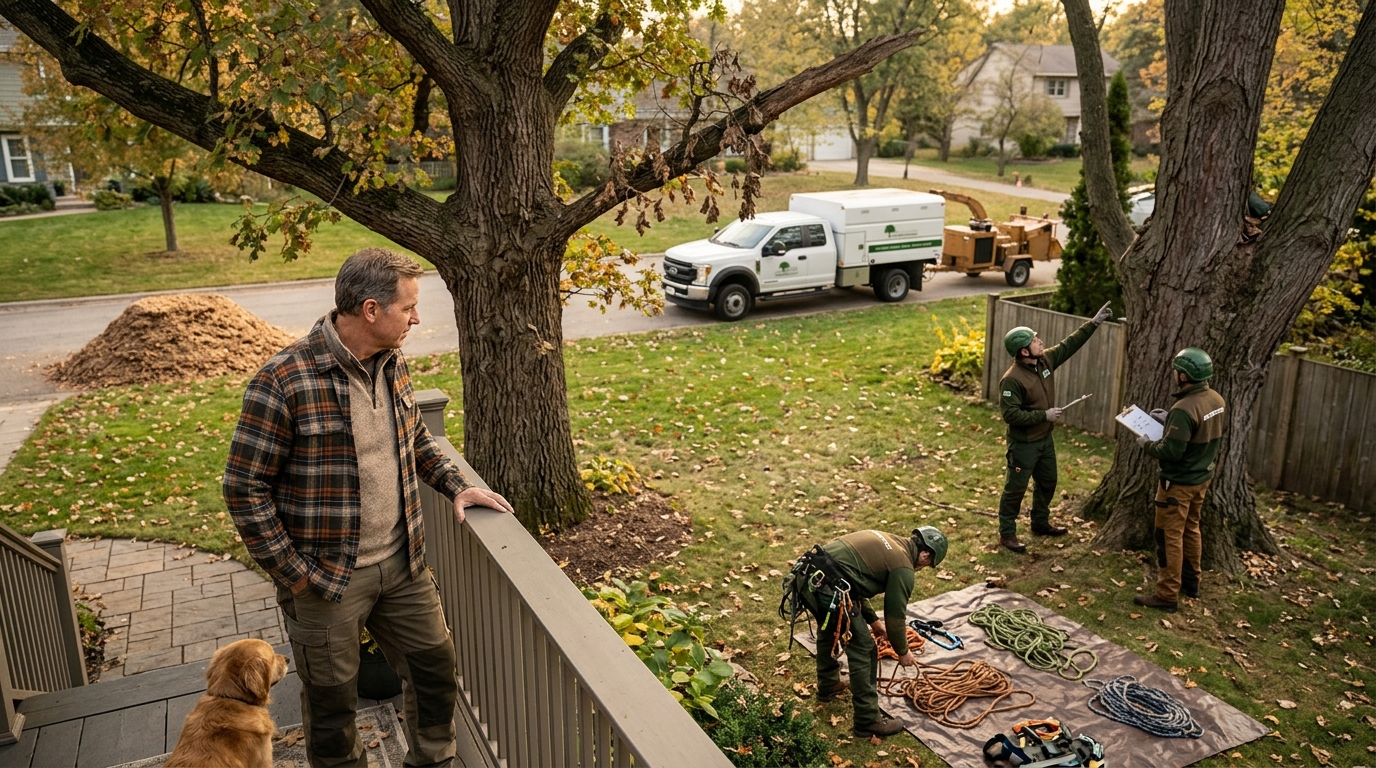
7 Ways to Find Qualified Tree Removal Contractors Near You
Locating a safe and competent crew for tree removal requires more than a quick search for the lowest price. TreeProfessionals.
Read More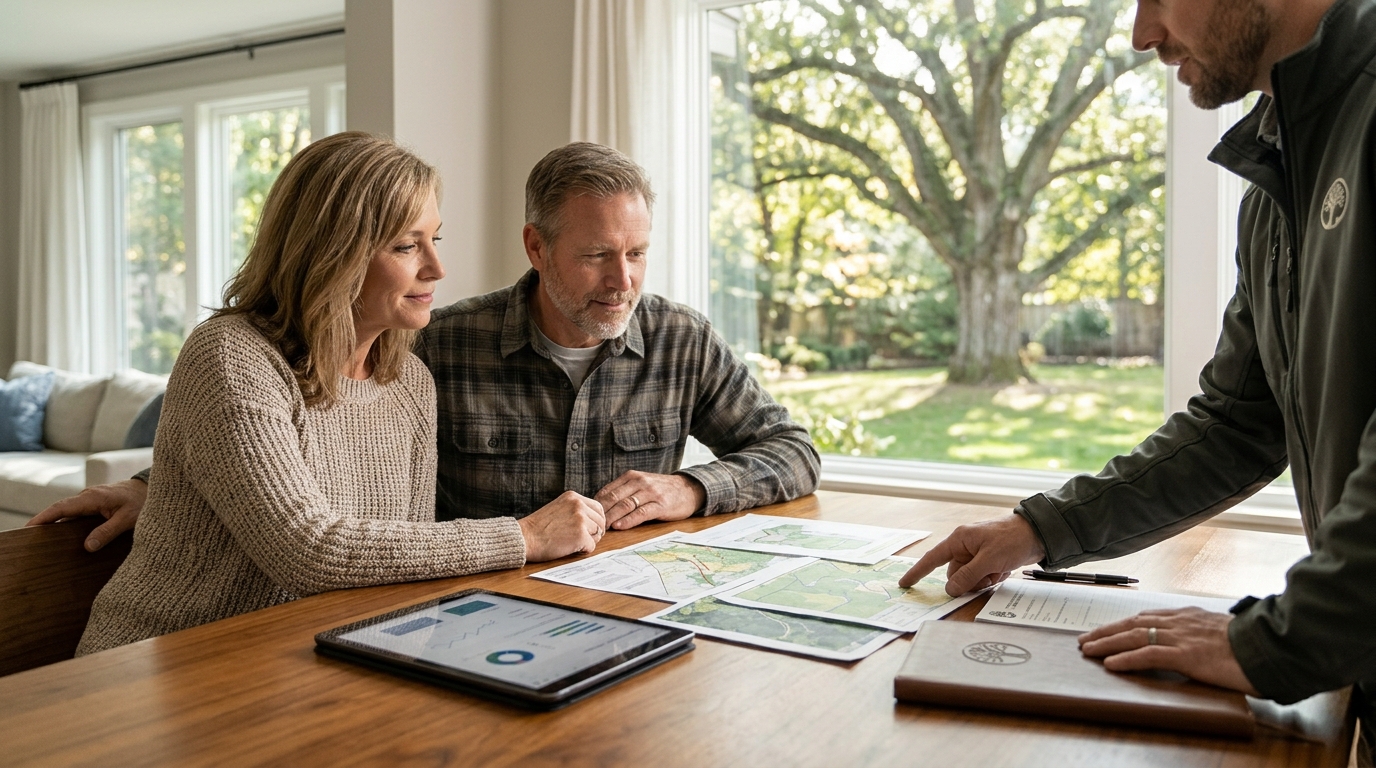
7 Permits and Approvals Needed Before Tree Removal
Tree removal permits are local government or private rules that require written approval before cutting down a tree.
Read More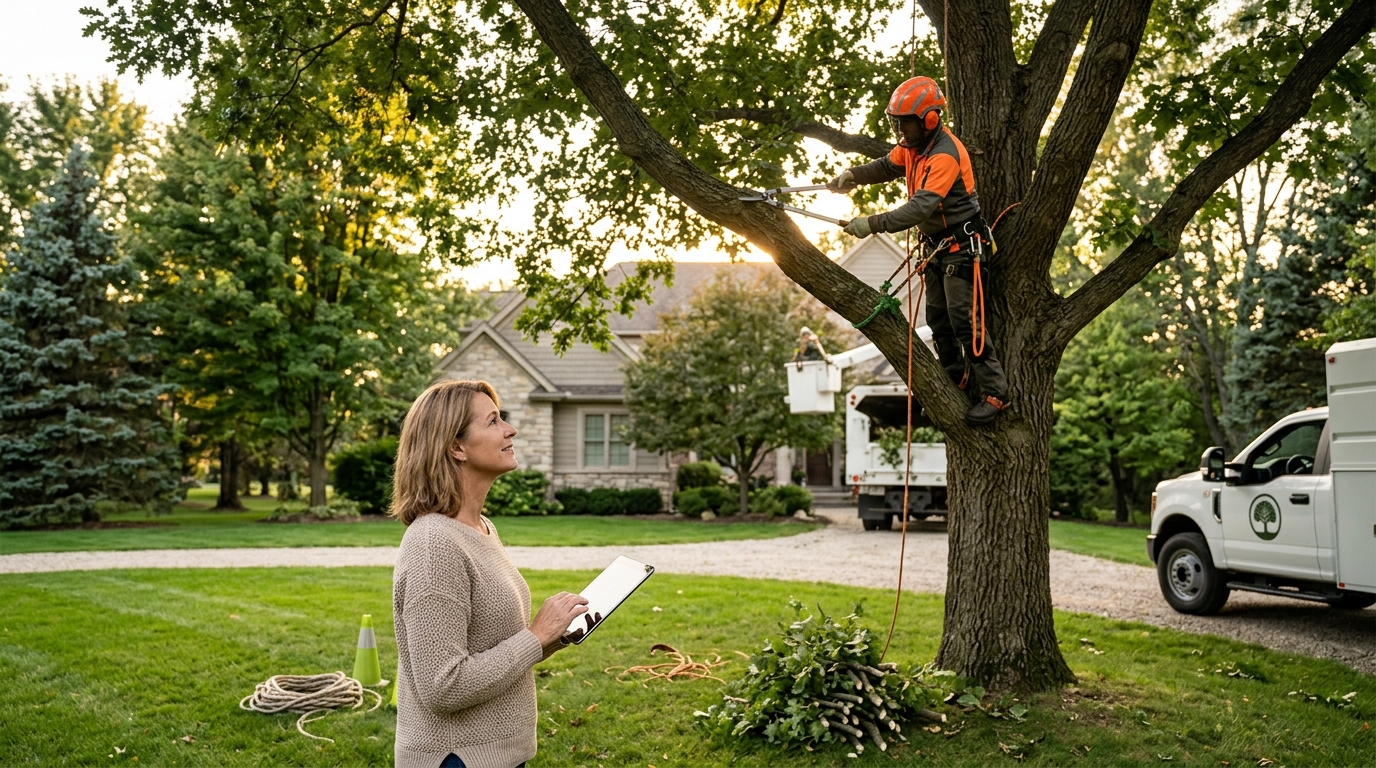
What Factors Influence the Price of Professional Tree Trimming?
Professional tree trimming prices vary based on tree height, accessibility, species, and the scope of work. Small trees under 30 feet typically cost less than large, mature oaks requiring bucket trucks.
Read More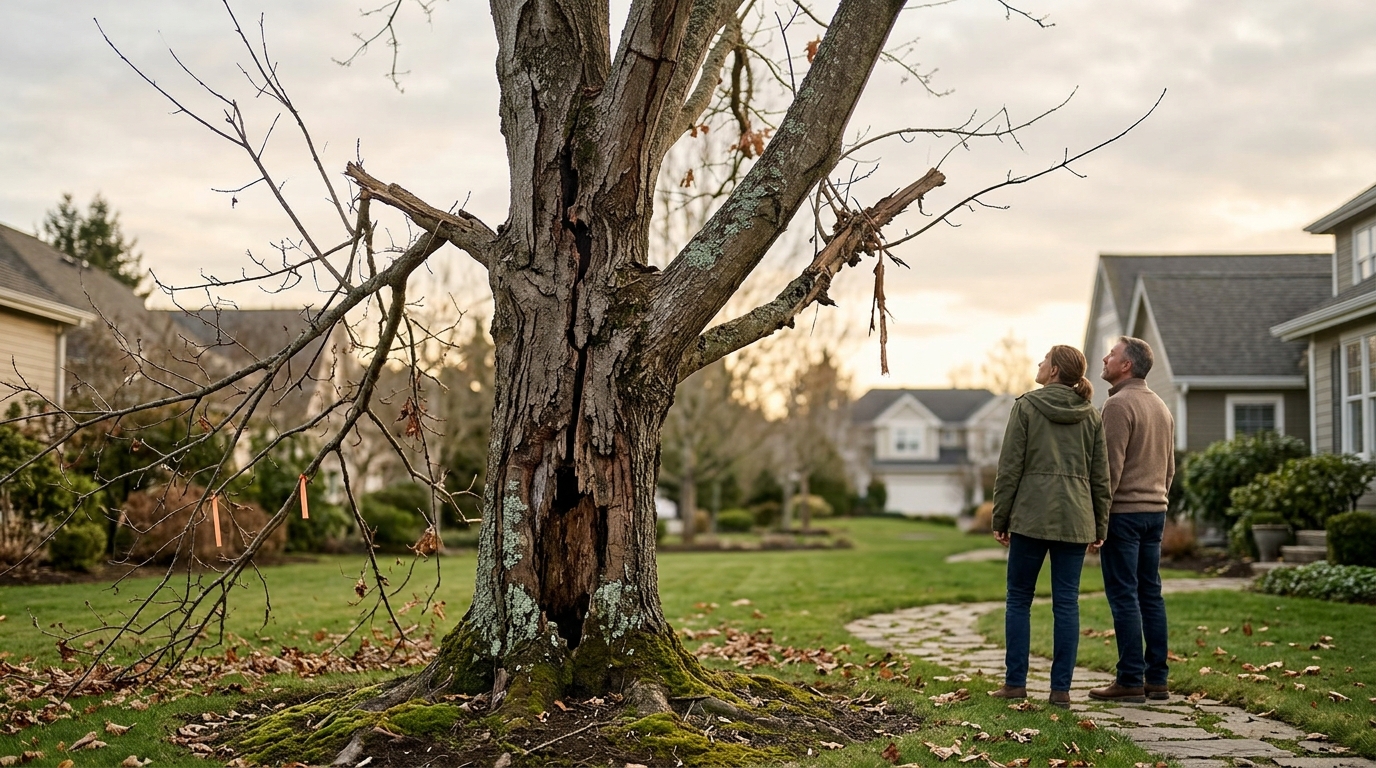
Warning Signs a Dying Tree Is a Safety Hazard
A dying tree becomes a safety hazard when structural defects, such as cracks, decay, or root failure, make it likely to fall. TreeProfessionals.
Read MoreAbout TreeProfessionals
Plain-English answers to homeowner tree questions — including removal costs, permits, insurance, storm damage and ongoing tree care.
TreeProfessionals.com is a US-facing homeowner information and lead-generation site for tree services. It answers around 60 common questions in plain English - tree removal costs, stump grinding, storm damage, trimming, pruning, insurance, permits and how to vet a contractor - with a “storm desk” for weather-related damage. Alongside the content, it runs a Find-a-Pro directory where homeowners can browse and contact tree companies directly, plus quote-request forms that route enquiries to relevant professionals. Tree businesses can pay or apply to be listed.
Frequently Asked Questions
How much does it cost to remove a tree?
Tree removal costs between $200 and $2,000 in the US, depending mostly on height and access. This guide breaks down the five factors that drive your final bill: tree size categories, yard accessibility, hazard levels, local permit requirements, and stump grinding fees.
Read more: Tree Removal Cost Guide 2026: Size, Hazards, Permits & StumpHow much does stump grinding cost near me?
Stump grinding typically costs between $100 and $400 per stump in the United States. Most professionals charge $2 to $5 per inch of stump diameter, with a minimum fee of $100 to $150. TreeProfessionals.
Read more: Stump Grinding Cost Guide: 2026 Pricing, Process & VettingHow much does tree trimming cost near me?
Tree trimming costs $75 to $1,500 per tree in the US, with height being the primary price driver. This guide breaks down national averages, regional variations, and the specific factors that influence your final bill.
Read more: Tree Trimming Cost Guide 2026: Prices, Timing & Pro TipsDoes homeowners insurance cover tree removal?
Homeowners insurance typically covers tree removal only if the tree falls on a covered structure, such as your house, garage, or fence, or blocks your driveway. It does not cover removing a standing tree, a dead tree, or a fallen tree that hit nothing.
Read more: Does Homeowners Insurance Cover Tree Removal?Who do I call for emergency tree removal after a storm knocks a tree onto my roof?
Call 911 immediately if you smell gas, see downed power lines, or if anyone is injured. If the structure is intact and there are no immediate life-safety hazards, call your homeowners insurance provider to start the claim, then contact a licensed, insured tree service for...
Read more: Emergency Tree Removal: Who to Call When a Storm Hits Your RoofWho is responsible if my neighbor’s tree falls on my property?
If a neighbor's tree falls on your property, you are generally responsible for the damage to your own structures, and your homeowners insurance typically covers the repair costs after you pay your deductible.
Read more: Neighbor's Tree Falls on Your Property: Liability and InsuranceDo I need a permit to cut down a tree on my property?
Yes, in many US cities and counties, you need a permit to cut down a tree on your property, especially if it is large, protected, or located in a designated zone. TreeProfessionals.com explains the rules in plain English.
Read more: Do I Need a Permit to Cut Down a Tree on My Property?How do I know if a tree is dead or dying and needs to be removed?
TreeProfessionals.com provides plain-English answers to help you determine if a tree is dead or dying. A tree is dead if the scratch test shows brown, dry tissue under the bark and no leaves appear in summer.
Read more: How to Tell If a Tree Is Dead or Dying: A Homeowner's Guide