
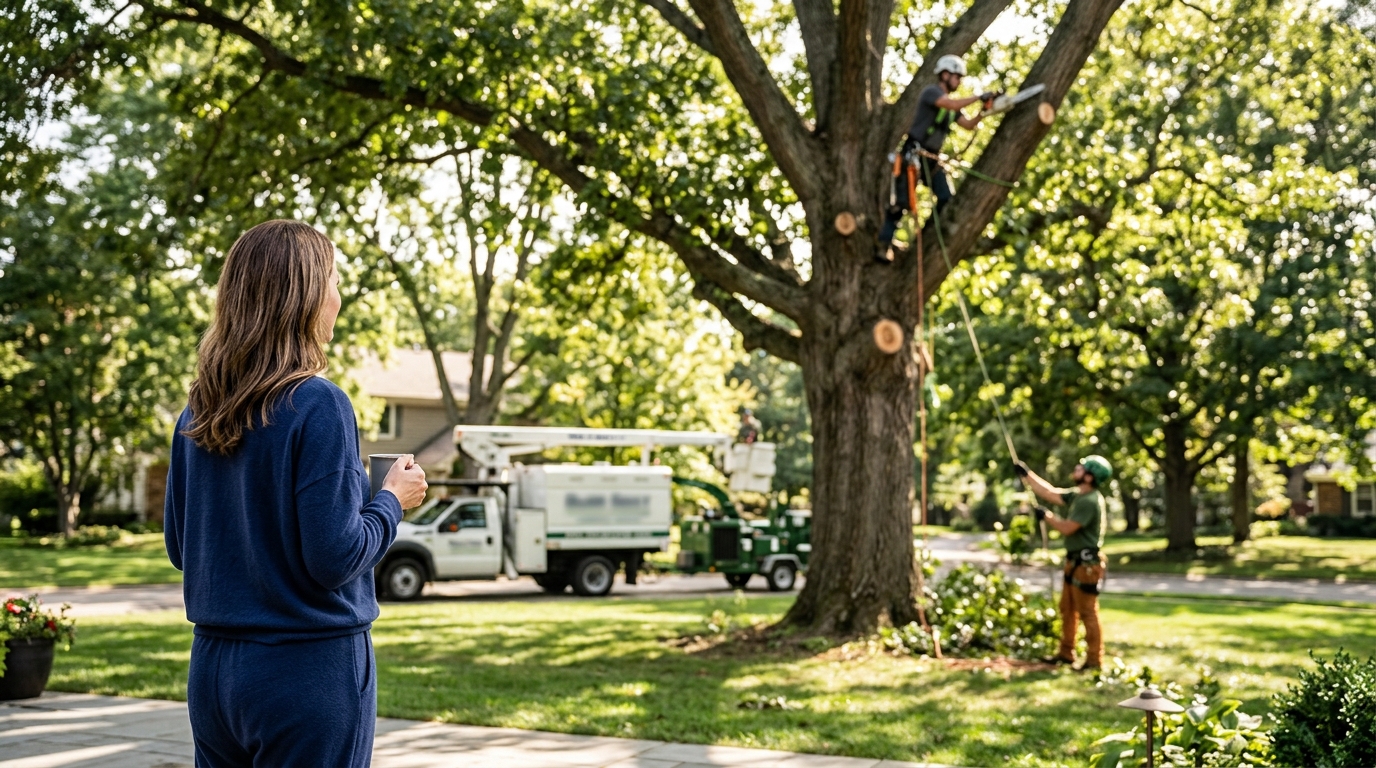
Tree trimming costs $75 to $1,500 per tree in the US, with height being the primary price driver. This guide breaks down national averages, regional variations, and the specific factors that influence your final bill. We also cover the best times to book, DIY limits, and how to vet a professional crew safely.
Regional Price Variation
While national averages provide a baseline, local market conditions significantly impact the final invoice. Tree trimming is a labor-intensive service, and wages, fuel costs, and local demand fluctuate by region. Urban areas with high population density and complex access challenges often command higher rates than rural locations. Additionally, regional tree species play a role; dense hardwoods like oaks or maples require more effort to cut and chip than softer conifers.
Urban vs. Rural Dynamics
In major metropolitan areas, crews must navigate tight spaces, parking restrictions, and potential traffic disruptions. These logistical hurdles increase the time required for the job, which directly translates to higher costs. Conversely, rural properties may have larger trees but easier access, potentially lowering the hourly rate. However, if a rural tree is extremely large or located in a difficult field, the cost can still escalate due to the specialized equipment needed.
Local Demand and Seasonality
Price variation also stems from local demand cycles. In regions with severe storm seasons, tree companies may raise prices during peak demand periods. Homeowners in these areas should plan ahead to avoid surge pricing. Understanding your local market helps set realistic expectations before you hire a crew.
Key Cost Drivers
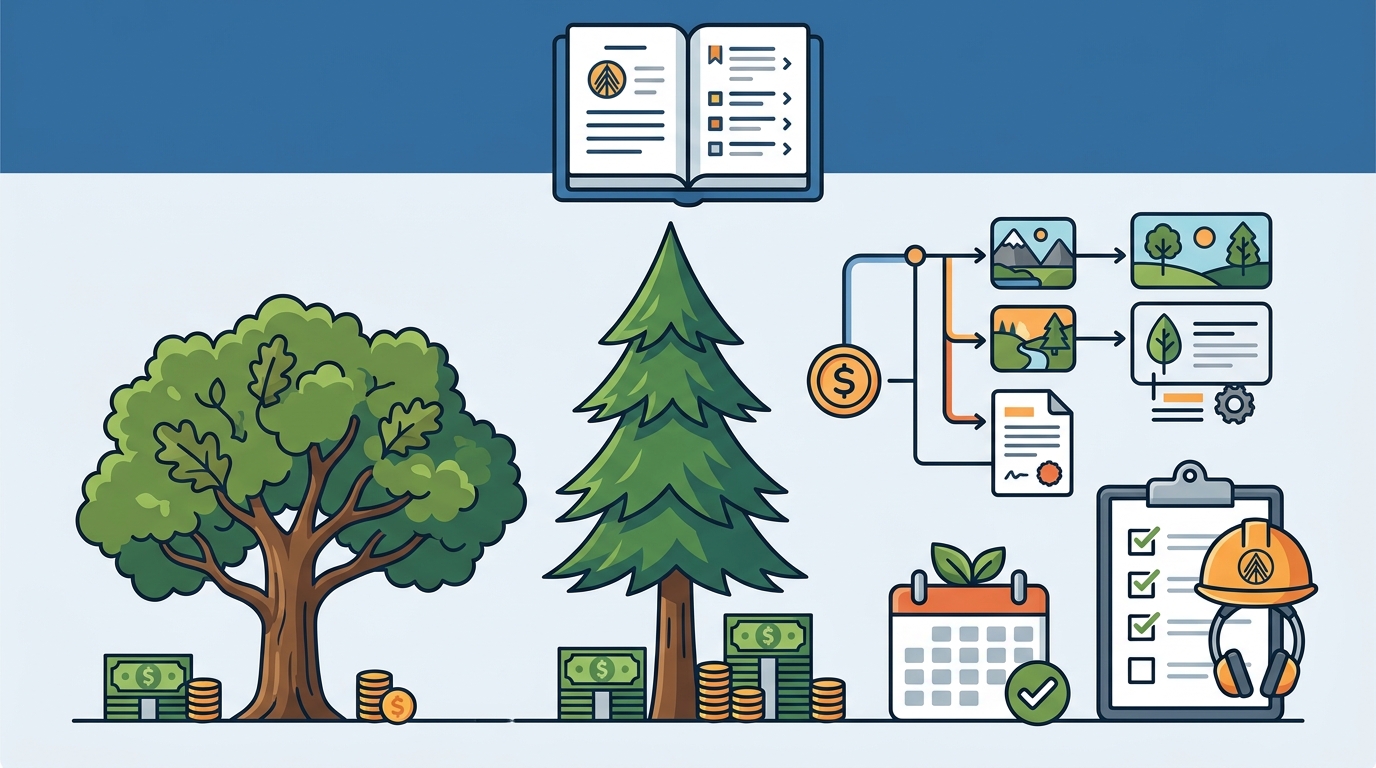
Height is the single most significant factor in tree trimming costs. A small tree under 30 feet can often be trimmed from the ground or a short ladder, keeping costs between $75 and $450. Medium trees, ranging from 30 to 60 feet, typically require a bucket truck or a climbing crew, pushing the price to $150 to $875. Large trees over 60 feet often require a full climbing crew and sometimes a crane, with costs starting at $300 and frequently exceeding $1,500.
Access and Complexity
Access is the second major cost driver. If a tree is in an open yard, the job is straightforward. If it is surrounded by fences, power lines, or other structures, the crew must work more carefully and slowly. This complexity increases the time on site. Crews may need to rig the tree to lower branches safely, which adds labor and equipment costs.
Debris Disposal
Most professional quotes include debris hauling and chipping. However, some companies charge extra for this service. Always clarify if the quote includes hauling away all wood and leaves. If you have a wood chipper on site or a place to dump the debris, you might negotiate a lower price, but this is rare for standard residential jobs.
| Tree Size | Typical Cost Range | Method Used |
|---|---|---|
| Small (Under 30 ft) | $75 - $450 | Ground or short ladder |
| Medium (30 - 60 ft) | $150 - $875 | Bucket truck or climbing |
| Large (60 ft+) | $300 - $1,500+ | Climbing crew, possibly crane |
Timing and Seasonal Pricing
The best time to trim a tree is generally late winter, while the tree is dormant. This timing is not only best for the tree's health but also often the most cost-effective. During the dormant season, trees are less susceptible to disease and stress. For homeowners, this period often has lower demand than the spring and summer months, which can lead to more competitive pricing.
Species-Specific Timing
While late winter is the default, some species have specific needs. Spring bloomers should be pruned right after they flower to avoid cutting off next year's buds. Stone fruit trees like peaches and plums are best pruned in dry summer weather to prevent fungal infections. Oaks in regions with oak wilt should never be pruned from April to July, as this is when the beetles that spread the disease are active.
Emergency vs. Scheduled Work
Scheduled work is almost always cheaper than emergency work. If a tree is healthy but needs shaping, book it for the dormant season. If a tree is damaged by a storm or poses an immediate hazard, you will likely pay a premium for emergency service. Planning ahead saves money and ensures the tree receives the best possible care.
DIY vs. Professional Limits
Homeowners can safely trim branches that are under about 2 inches in diameter and reachable from the ground. Using pole loppers, you can reach about 12 to 15 feet. This is suitable for removing dead twigs or shaping small ornamental trees. However, anything requiring a ladder, a chainsaw, or work near power lines is a job for a professional.
Safety Risks of DIY
Tree work is one of the most dangerous DIY projects. Falls from ladders are a leading cause of injury. Additionally, improper cuts can damage the tree, leading to disease or structural weakness. If you are unsure about a cut, leave it for a pro. The cost of a professional trim is far less than the cost of medical bills or property damage.
Power Line Proximity
Never trim branches near power lines. Maintain a distance of at least 10 feet. If a branch is within this range, contact your utility company. They often trim trees near lines for free. If the tree is on your property but not touching the lines, a licensed electrician or a tree service with line-clearance qualifications must handle it.
Vetting Your Contractor
In most states, there is no specific license required to perform tree work. This means anyone with a pickup truck and a chainsaw can call themselves a tree service. Therefore, insurance is the most critical factor to check. A legitimate company will provide a current certificate of insurance showing general liability (commonly $1,000,000 per occurrence) and workers' compensation.
Red Flags to Watch For
Be wary of door-knockers who offer to "top" a tree. Topping is a destructive practice that removes the top of the tree, leading to rapid regrowth and structural weakness. A reputable arborist will never recommend topping. Other red flags include cash-only payments, no physical address, and vague quotes. Always get a written, itemized proposal after an in-person visit.
How to Find a Pro
Use a directory to find local professionals. Find a Pro allows you to search by city, ZIP, or brand. You can narrow your search by credentials and location type. This helps you connect with companies that have a verified presence in your area. Always verify their insurance before signing a contract.
Key Takeaways
- Tree trimming costs range from $75 to $1,500 per tree, with height being the primary driver.
- Small trees under 30 feet typically cost $75 to $450 to trim.
- Medium trees (30-60 feet) cost $150 to $875, often requiring a bucket truck.
- Large trees over 60 feet cost $300 to $1,500+ and may require a crane.
- Late winter is the best time to trim most trees for health and cost savings.
- Homeowners can safely trim branches under 2 inches from the ground.
- Always verify a contractor's insurance certificate before hiring.
- Never allow a contractor to "top" a tree; it is a destructive practice.
Frequently Asked Questions
How much does tree trimming cost for a large tree?
Trimming a large tree over 60 feet typically costs between $300 and $1,500 or more. The exact price depends on the tree's species, access difficulty, and the amount of debris to be removed. A climbing crew is usually required for trees of this size.
Is it cheaper to trim a tree in winter?
Yes, late winter is often the cheapest time to book tree work. Demand is lower than in spring and summer, and trees are dormant, making them less susceptible to stress. However, prices can vary by region and local market conditions.
Can I trim my own tree to save money?
You can safely trim small branches under 2 inches in diameter from the ground. However, using ladders, chainsaws, or working near power lines is dangerous and should be left to professionals. The risk of injury or property damage far outweighs the potential savings.
What is the difference between pruning and trimming?
Pruning is cutting for the tree's health and structure, while trimming is cutting for shape and clearance. In practice, the terms are often used interchangeably, and the cost and timing are similar. Both require careful technique to avoid damaging the tree.
Do I need a permit to trim a tree?
Permit requirements vary by city, county, and HOA. Many jurisdictions require a permit for removing a tree, but trimming is often exempt. However, some areas have specific rules about trimming certain species or trees of a certain size. Check with your local municipality before starting work.
How do I know if a tree company is legitimate?
A legitimate tree company will provide a current certificate of insurance, a physical address, a working phone number, and a written itemized quote. They will also have references you can call. In most states, there is no specific license to check, so insurance is the primary indicator of legitimacy.
What should I do if a tree falls on my house?
First, ensure everyone is safe and away from the tree. Check for gas leaks or downed power lines and call 911 if in doubt. Photograph the damage, call your insurance company, and hire an insured crew for removal. Emergency removal off a house typically costs $1,500 to $5,000.
How often should I trim my trees?
Mature shade trees generally need trimming every 3 to 5 years. Young trees and fruit trees may need light shaping every 1 to 3 years to build a strong frame. The frequency depends on the tree's species, growth rate, and overall health.
Conclusion
Understanding tree trimming costs helps you budget effectively and avoid overpaying. By knowing the factors that influence price, such as height, access, and timing, you can make informed decisions. Always hire a vetted, insured professional for any work that requires ladders or chainsaws. For more detailed answers on costs, permits, and storm damage, visit TreeProfessionals.com to find local experts and plain-English guidance.