
Tree Trimming Cost Guide 2026: National Ranges & Regional Factors
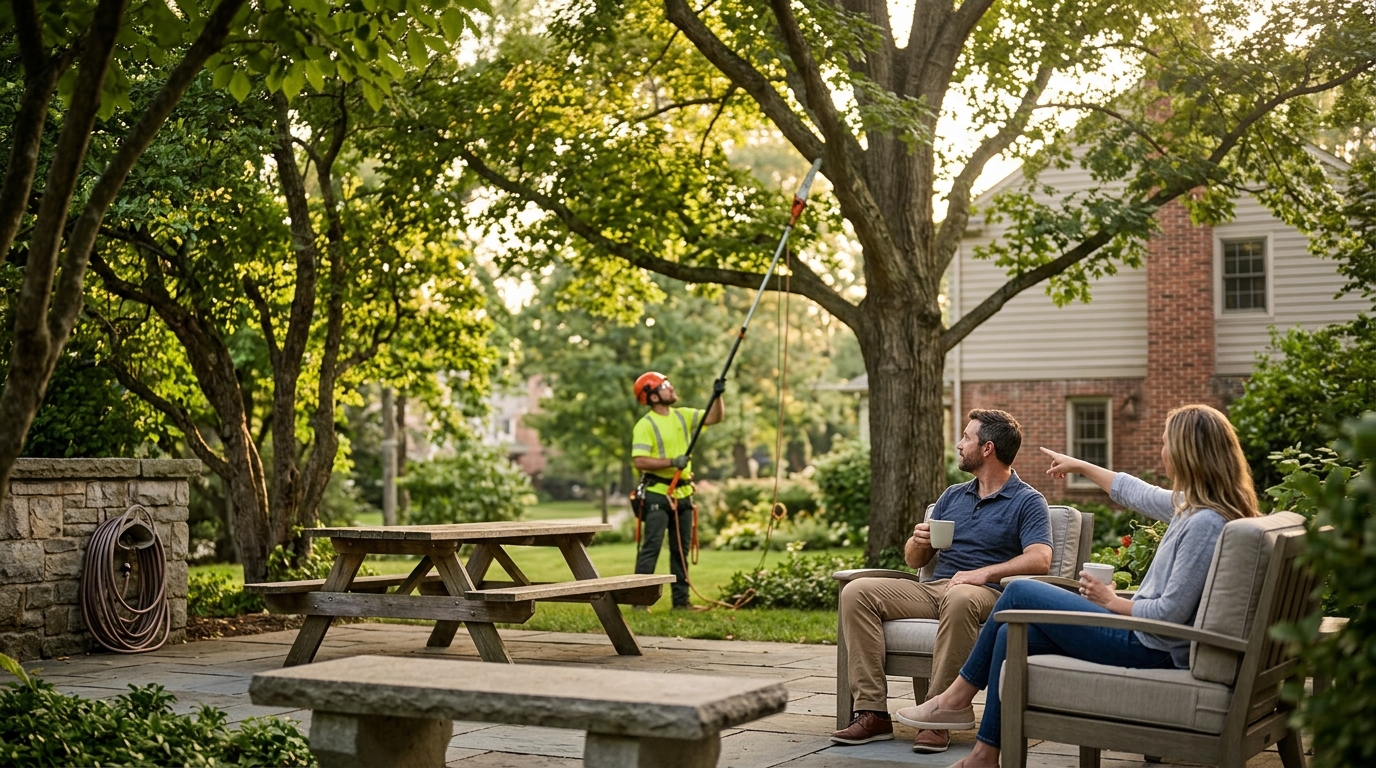
Tree trimming costs $75 to $1,500 per tree in the US, with height being the primary driver. This guide breaks down national price ranges, explains regional variations, and helps you determine if your specific tree needs professional attention. TreeProfessionals provides these plain-English answers to help you budget accurately.
National Cost Ranges by Tree Size
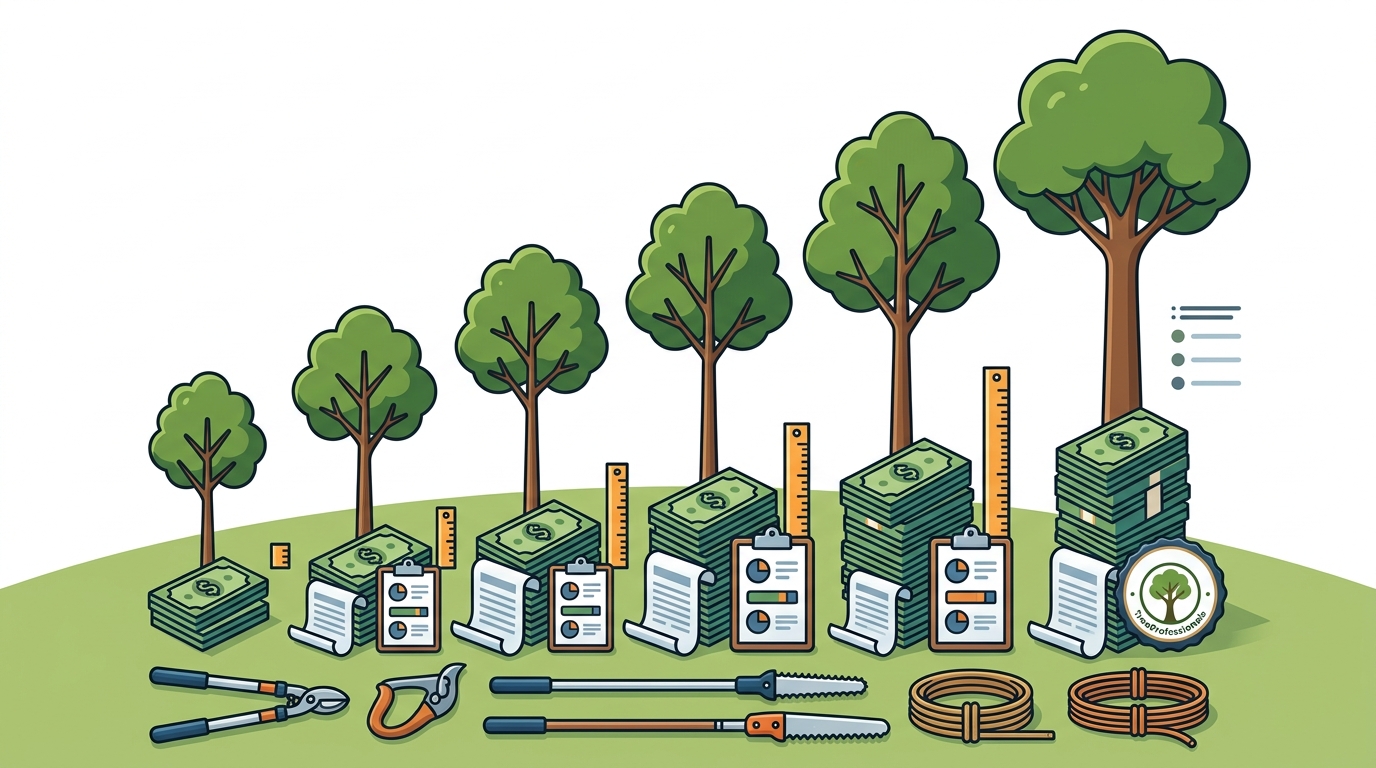
Tree trimming is the most common tree service job in the United States. The price you pay depends heavily on the height of the tree and the complexity of the access. Most homeowners can expect to pay within these national ranges based on tree height.
| Tree Height | Typical Cost Range | Access Method |
|---|---|---|
| Under 30 feet | $75 to $450 | Ground or short ladder |
| 30 to 60 feet | $150 to $875 | Bucket truck or climbing |
| 60 feet and above | $300 to $1,500+ | Climbing crew or crane |
Hourly rates for professional crews typically range from $150 to $300 per hour. This usually covers a two or three-person team equipped with a chipper. If your tree is in a difficult location, such as near a house or power lines, the cost will lean toward the higher end of these ranges.
Regional Price Variation
While national averages provide a baseline, local market conditions significantly impact the final price. Labor costs, local demand, and the specific types of trees in your area all play a role in determining what you will pay.
Urban vs. Rural Labor Costs
Urban areas with higher costs of living generally command higher labor rates. A crew in a major metropolitan area may charge significantly more than a crew in a rural county, even for the same type of work. This is due to higher overhead costs for equipment, insurance, and living expenses for the workers.
Local Tree Species and Density
The type of trees in your region matters. Dense, hardwood trees like oaks or maples are heavier and more difficult to cut than softwoods like pines. Additionally, regions with a high density of mature shade trees may have more competition among service providers, which can sometimes lower prices, or conversely, high demand during storm seasons can drive prices up.
Seasonal Demand Fluctuations
Prices can fluctuate based on the time of year. Late winter is the peak season for pruning and trimming because trees are dormant. During this high-demand period, prices may be at their highest. Conversely, booking work in the shoulder seasons, such as early spring or late fall, might yield slightly lower rates, provided the weather allows for safe work.
Factors That Influence Your Quote
Beyond height and location, several specific factors will determine the exact number on your invoice. Understanding these helps you evaluate quotes from different providers.
Access and Obstacles
Access is the second biggest cost driver after height. If a tree is in an open field, a crew can use a bucket truck efficiently. If the tree is surrounded by fences, other trees, or a house, the crew must climb. Climbing is slower and more labor-intensive, which increases the cost. Any obstacles that require the crew to rig the tree down in sections rather than dropping it will also add to the price.
Debris Disposal
Most professional quotes include debris hauling and chipping. However, some providers may charge extra for hauling if the yard is small or if the debris needs to be taken to a specific disposal site. Always ask if the quote includes hauling and chipping. If not, you will need to budget for that separately or arrange your own disposal.
Scope of Work
The specific cuts requested also affect the price. A light trim to remove dead limbs is cheaper than a full crown reduction or a complex structural pruning. The more time the crew spends on the tree, the higher the cost. Be clear about your goals when requesting a quote to ensure you are comparing apples to apples.
Trimming vs. Pruning: What You Are Paying For
Homeowners often use the terms "trimming" and "pruning" interchangeably, but arborists distinguish between the two. Understanding the difference helps you understand what you are paying for.
Pruning is cutting for the tree's health and structure. It involves removing dead, diseased, or crossing branches to improve the tree's long-term vigor. Trimming is cutting for shape and clearance. It involves removing branches that are too close to the roof, power lines, or other structures, or shaping the canopy for aesthetics.
For cost and timing purposes, the two are often treated the same by service providers. However, a professional arborist will prioritize health cuts first. If you are paying for a "trim," ensure the provider is also checking for health issues. A good provider will point out dead or diseased branches and include their removal in the quote.
DIY vs. Professional: Where the Line Is
Many homeowners can safely trim their own trees, but there is a clear line where professional help is required. Knowing where that line is can save you money and prevent accidents.
When You Can DIY
You can safely trim branches that are under about 2 inches in diameter and reachable from the ground or a stable ladder. Use pole loppers or a pruning saw. Focus on removing dead or rubbing branches. If you are comfortable with basic tools and the tree is small, DIY is a viable option.
When to Call a Pro
Call a professional if the branches are larger than 2 inches, if you need to use a ladder higher than 10 feet, or if the tree is near power lines. Never work near power lines. This is a job for a qualified utility crew or a tree service with specific line-clearance qualifications. Additionally, if the tree is large, leaning, or in a difficult location, a professional crew with the right equipment is necessary.
Key Takeaways
- Tree trimming costs $75 to $1,500 per tree, with height being the primary cost driver.
- Small trees under 30 feet typically cost $75 to $450 to trim.
- Medium trees (30-60 feet) cost $150 to $875, often requiring a bucket truck.
- Large trees over 60 feet cost $300 to $1,500+, often requiring climbing or a crane.
- Hourly rates for professional crews range from $150 to $300 per hour.
- Access and obstacles significantly impact the final price.
- Always ask if debris hauling and chipping are included in the quote.
- Never trim near power lines yourself; this is a job for a qualified professional.
Frequently Asked Questions
How much does it cost to trim a small tree?
Trimming a small tree under 30 feet typically costs between $75 and $450. This range assumes the tree is in an accessible location and does not require a bucket truck or climbing.
What is the most expensive part of tree trimming?
Height and access are the most expensive factors. A tall tree that requires climbing or a crane is significantly more expensive than a short tree that can be trimmed from the ground. Obstacles like houses or fences also increase the cost.
Do tree trimming costs include debris removal?
Most professional quotes include chipping and hauling away the debris. However, you should always confirm this in writing. Some providers may charge extra for hauling if the yard is small or if the debris needs to be taken to a specific disposal site.
How often should I trim my trees?
Mature shade trees typically need trimming every 3 to 5 years. Young trees and fruit trees may need light shaping every 1 to 3 years. The frequency depends on the species and the growth rate of the tree.
Is tree trimming the same as pruning?
Not exactly. Pruning is for the tree's health, while trimming is for shape and clearance. However, for cost and timing purposes, they are often treated the same by service providers. A good provider will address both health and clearance needs.
Can I trim my own tree?
You can safely trim branches under 2 inches in diameter from the ground or a stable ladder. Do not attempt to trim large branches, work at heights above 10 feet, or work near power lines. These tasks require professional equipment and training.
What is the best time of year to trim trees?
Late winter is the best time for most trees because they are dormant. This is also the peak season for tree services, so prices may be higher. Spring bloomers should be pruned right after flowering. Oak trees should never be pruned in April through July in areas where oak wilt exists.
How do I get an accurate quote for tree trimming?
Get a written, itemized quote from an in-person visit. The quote should describe the specific cuts, the number of limbs to be removed, and whether debris hauling is included. Avoid door-knockers or cash-only crews. Always verify the company's insurance and credentials.
Conclusion
Understanding the cost of tree trimming helps you budget effectively and avoid unexpected charges. By knowing the national ranges, the factors that influence price, and the line between DIY and professional work, you can make informed decisions about your trees. For more detailed answers on tree care, costs, and hiring, visit TreeProfessionals to find local professionals and learn more about maintaining your landscape.