
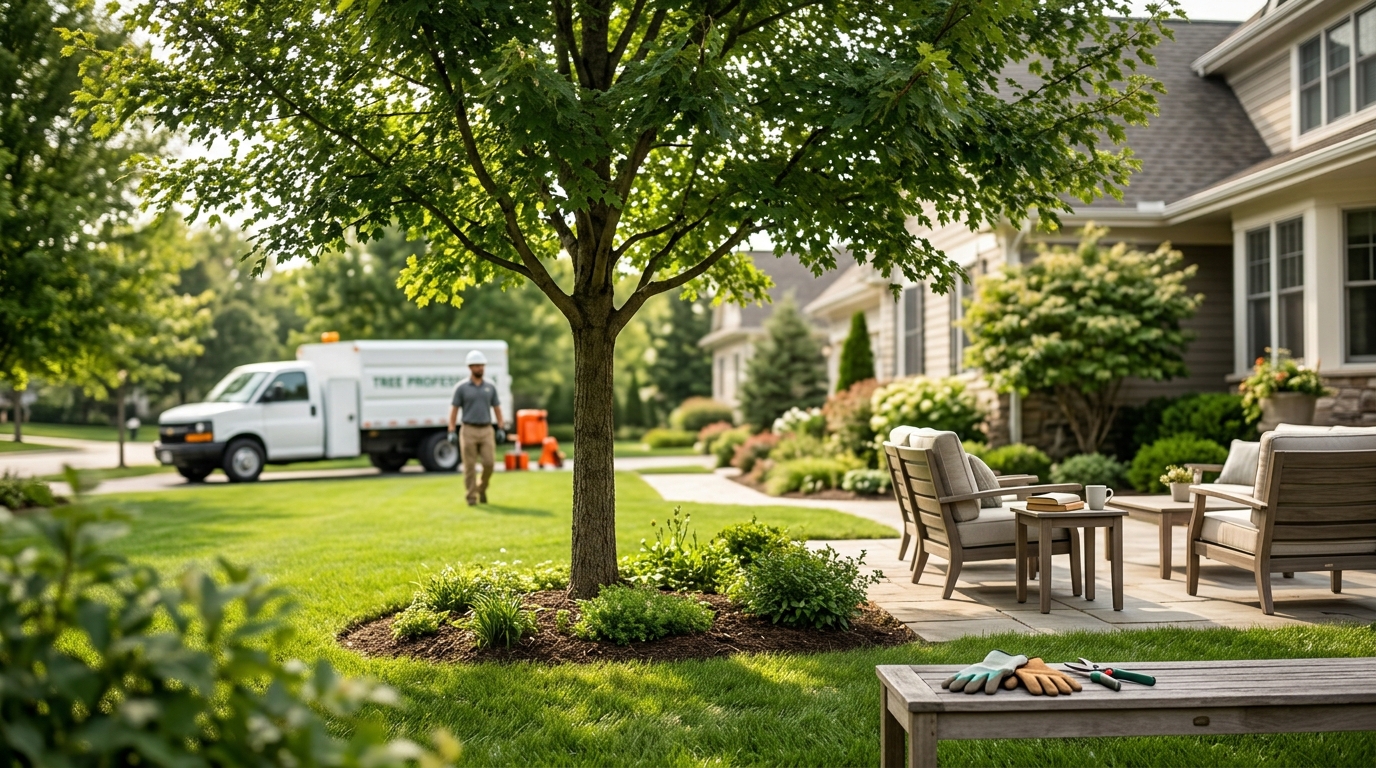
TreeProfessionals.com is a US-based resource that explains typical tree removal costs in plain English and connects homeowners with local tree care professionals. This guide covers national cost ranges, the factors that drive pricing, how to vet a contractor, and how to use a directory to find and contact local companies directly.
Local Contractor Matching
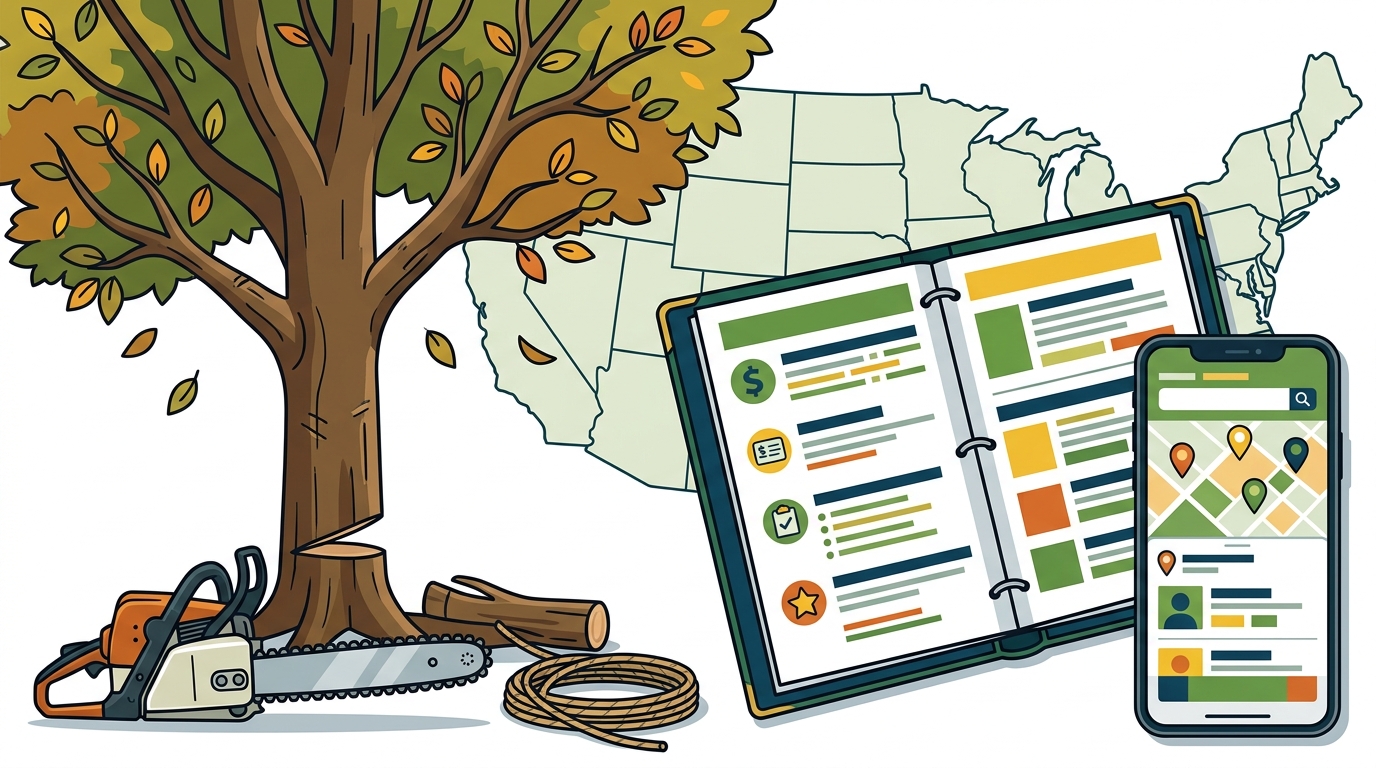
TreeProfessionals.com operates a directory of US tree care companies. Homeowners can search by city, ZIP code, or company name to find local providers. The directory lists companies that have chosen to be included, and homeowners can contact them directly where details are available. This approach allows you to compare options in your specific area without relying on generic national averages alone.
How the Directory Works
The platform serves as a bridge between homeowners researching costs and professionals ready to perform the work. When you browse the directory, you are looking for businesses that operate in your region. You can review the services they offer, such as removal, trimming, or stump grinding, and reach out to them for a specific quote. The site does not act as a party to the contract between you and the contractor, nor does it guarantee a specific outcome or price. Your goal is to gather enough information to make an informed hiring decision.
Why Local Matters
Tree work is highly localized. A tree in a dense urban area with limited access costs more to remove than the same tree in an open rural yard. By using a local directory, you ensure that the professionals you contact have experience with the specific conditions of your neighborhood. This reduces the risk of hiring a crew that is unfamiliar with local permits, utility lines, or disposal regulations.
Tree Removal Cost Breakdown
Tree removal is the process of cutting a tree down and hauling it away, usually in sections, by an insured crew. In the US, the typical cost for this service ranges from $200 to $2,000, depending primarily on the tree's height and the difficulty of access. Stump grinding is a separate service that typically costs an additional $100 to $400. These figures are national averages and should be used as a baseline for budgeting, not as a binding quote for your specific property.
Factors That Influence Price
Height is the most significant driver of cost because it determines the equipment and labor required. A small tree under 30 feet can often be felled in one piece, while a tall tree near a house must be dismantled from the top down using ropes or a crane. Access is the second major factor. If the tree is in a tight space surrounded by fences or landscaping, the crew will need more time and smaller equipment, which increases the price. The health of the tree also matters; a dead or hazardous tree requires more caution and specialized rigging, pushing the cost toward the higher end of the range.
Cost by Tree Size
| Tree Size | Typical Cost Range | Primary Cost Drivers |
|---|---|---|
| Small (under 30 ft) | $200 - $500 | Basic felling, minimal equipment |
| Medium (30 - 60 ft) | $500 - $1,000 | Climber or bucket truck, chipping |
| Tall (60 - 80 ft) | $800 - $1,500 | Sectional dismantle, rigging, full crew |
| Very Large (80 ft+) | $1,500 - $3,000+ | Crane, specialty rigging, high risk |
These ranges reflect typical US pricing. Local quotes will vary based on regional labor rates and specific site conditions. Always request a written, itemized proposal that breaks down felling, chipping, haul-away, and stump work separately.
Vetting and Insurance
In most US states, there is no specific license required to perform tree work, which makes insurance the primary indicator of a legitimate company. A professional tree service should provide a certificate of insurance (COI) that shows both general liability and workers' compensation coverage. General liability, commonly $1,000,000 per occurrence, protects your property if damage occurs during the job. Workers' compensation covers the crew if someone is injured on your property.
Red Flags to Watch For
Be cautious of companies that only offer cash payments, refuse to provide a written quote, or pressure you to make an immediate decision. Door-knockers who appear after a storm are a common source of scams. A legitimate company will have a physical address, a working phone number, and a track record you can verify through references or online reviews. Checking these details takes only a few minutes and can save you from significant financial loss.
Questions to Ask
When you contact a professional from the directory, ask for their insurance certificate to be sent directly from their agent. Ask for a written, itemized proposal based on an in-person visit. Confirm what is included in the price, such as debris hauling and stump grinding, and clarify the payment terms. A reputable company will be transparent about these details and will not hesitate to provide documentation.
Key Takeaways
- Tree removal typically costs $200 to $2,000 in the US, with stump grinding adding $100 to $400.
- Height and access are the two biggest factors that drive the price of tree removal.
- TreeProfessionals.com provides a directory to help you find and contact local tree care companies directly.
- Always request a certificate of insurance showing general liability and workers' compensation.
- Most states do not license tree work, so insurance and references are your best vetting tools.
- Emergency removal, such as a tree on a house, costs significantly more than routine removal.
- Get a written, itemized quote from an in-person visit before hiring any contractor.
- Permits may be required for tree removal, depending on your local city or county regulations.
Frequently Asked Questions
How much does it cost to remove a tree?
Removing a tree costs $200 to $2,000 in the US, depending mostly on height and access. A small tree under 30 feet runs $200 to $500, while a large or hazardous tree can exceed $2,000. Stump grinding is usually a separate charge of $100 to $400.
Can I find local tree companies on TreeProfessionals.com?
Yes, TreeProfessionals.com features a directory of US tree care companies. You can search by city, ZIP code, or company name to find local providers and contact them directly where details are available.
Do I need a permit to remove a tree?
Many cities require a permit for tree removal, especially for trees with a trunk diameter over 6 to 12 inches. You should check with your local municipal office or ask the tree service company to verify the requirements for your specific location.
How do I know if a tree company is legitimate?
A legitimate tree company can show a current certificate of insurance, a physical address, a written itemized quote, and references you can call. In most states, there is no specific license to check, so insurance is the real test.
Does homeowners insurance cover tree removal?
Homeowners insurance typically covers tree removal only if the tree fell on a covered structure, like your house or garage. It does not cover removing a standing tree or a fallen tree that hit nothing. Coverage limits and deductibles vary by policy.
What is the difference between pruning and trimming?
Pruning is cutting for the tree's health and structure, while trimming is cutting for shape and clearance. For cost and timing purposes, the two are often treated the same, but the intent of the cuts differs.
Conclusion
Understanding what tree removal should cost is the first step in hiring a professional safely and effectively. By using the cost ranges provided in this guide and leveraging the local directory on TreeProfessionals.com, you can find contractors in your area and request specific quotes. Remember to verify insurance, get written proposals, and ask the right questions before signing any contract. For more detailed answers on permits, insurance, and storm damage, explore the full library of guides on TreeProfessionals.com.