
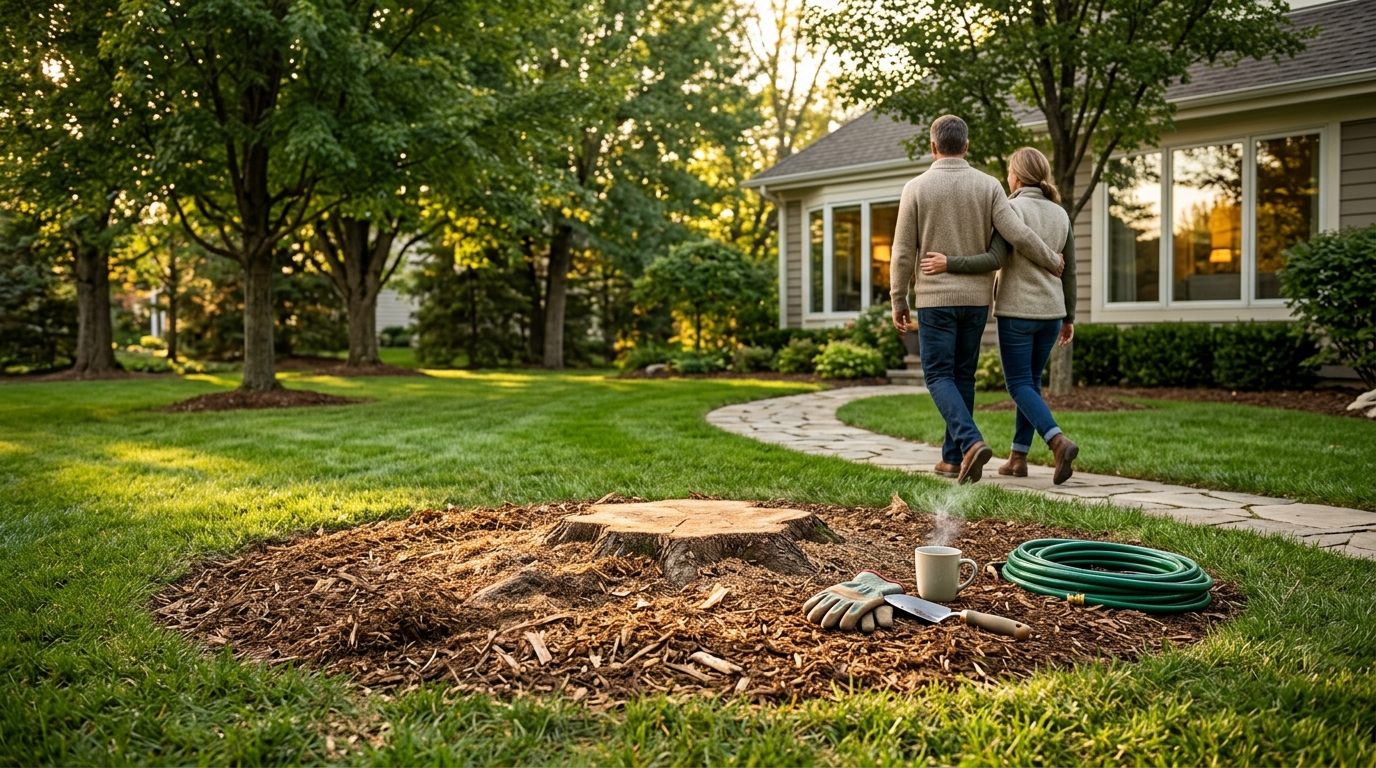
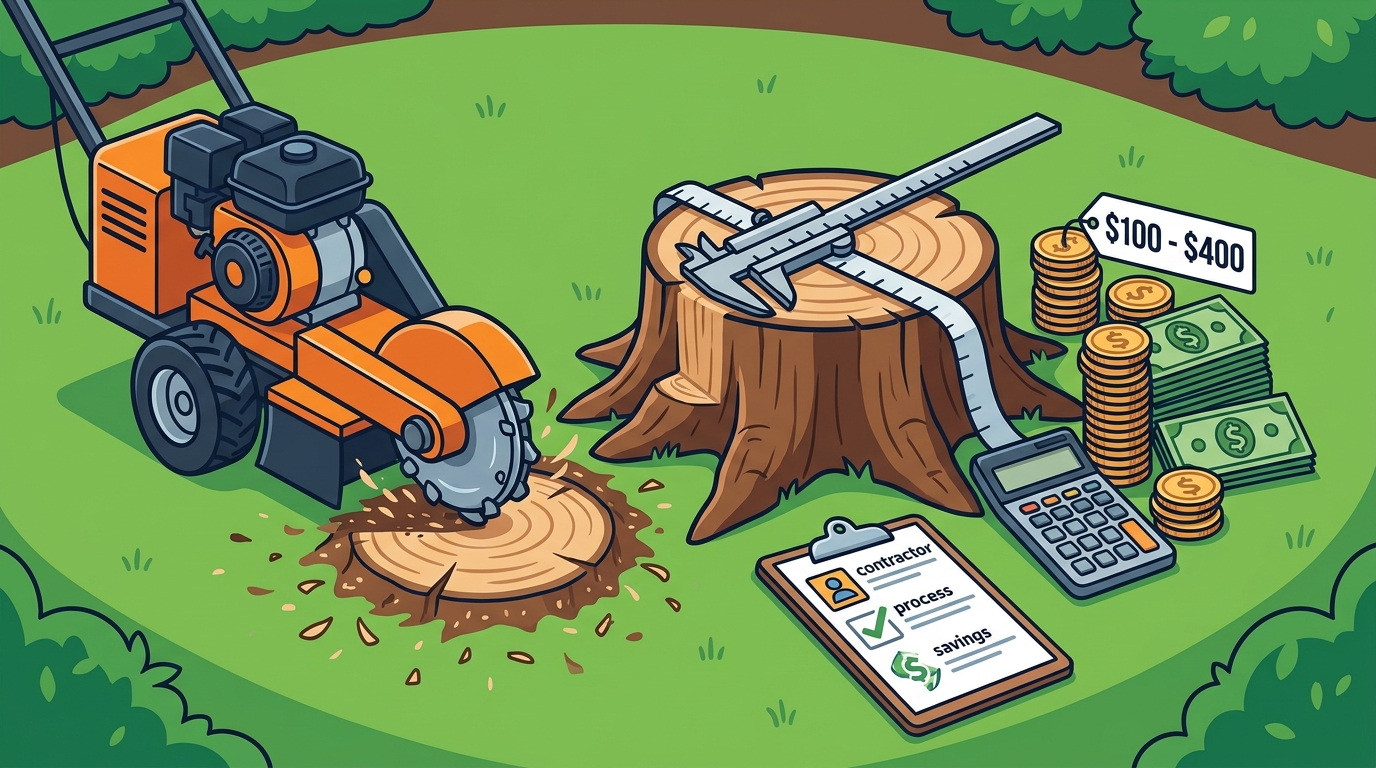
Stump grinding typically costs between $100 and $400 per stump in the United States. Most professionals charge $2 to $5 per inch of stump diameter, with a minimum fee of $100 to $150. This guide explains how to calculate your specific cost, how to verify contractor credentials, and how to avoid common pricing traps. We cover the full process, from initial assessment to final cleanup, ensuring you know exactly what to expect before a machine arrives on your property.
How to Choose a Provider
Selecting a tree service requires looking beyond the lowest bid. A reliable provider demonstrates clear communication, proper insurance, and a transparent pricing structure. You want a company that treats your property with respect and understands the specific mechanics of stump removal. The difference between a good and bad option often lies in the details of their proposal and their willingness to answer technical questions.
Insurance and Liability
Always request a Certificate of Insurance (COI) directly from the provider's agent. This document should show general liability coverage, commonly $1,000,000 per occurrence, and workers' compensation. If a company cannot provide this document, do not hire them. Tree work is dangerous, and you do not want to be liable for injuries to their crew or damage to your home.
Written Proposals
A professional service provides a written, itemized proposal. This document should list the cost for grinding, the cost for chip removal, and any additional fees. Avoid companies that only give verbal estimates or cash-only quotes. A written proposal protects you by defining the scope of work and the final price.
What to Ask Before Committing
Before signing a contract, ask specific questions that reveal the provider's expertise and honesty. These questions help you understand exactly what is included in the price and what is not. Clear answers indicate a professional operation; vague answers are a red flag.
Scope of Work
Ask if the price includes hauling away the wood chips. Many companies leave the chips on site for you to use as mulch, but some charge an extra $50 to $150 for removal. Clarify this early to avoid surprise fees. Also ask if they will backfill the hole with soil or if you need to provide your own topsoil.
Depth and Diameter
Ask how deep they will grind the stump. Standard grinding goes 6 to 12 inches below ground level. If you plan to plant a new tree in the exact same spot, you may need deeper grinding or full root removal. Confirm the diameter they will measure for pricing. Some measure at the base, others at the flare. This difference can change the price significantly.
How to Verify Credentials
In most states, there is no specific license required to perform tree work. This means anyone with a chainsaw and a truck can call themselves a tree service. Because of this, verifying credentials is your primary defense against poor workmanship. You must check their insurance, their physical address, and their references.
Checking Insurance
Do not trust a photo of an insurance card. Ask the provider to have their insurance agent email the Certificate of Insurance to you directly. Verify that the policy is current and that your name is listed as a certificate holder. This ensures the policy is active and covers your specific job.
References and Reviews
Ask for three recent references from local homeowners. Call them and ask about the quality of the work, the cleanliness of the site, and whether the final price matched the quote. Check online reviews, but focus on recent comments that mention specific details about the job. A legitimate company has a physical address and a working phone number that you can verify.
How the Process Works
Stump grinding is a mechanical process that chips the stump into small wood pieces. The operator uses a heavy machine with a rotating blade to grind the wood below ground level. The process is fast, usually taking 15 minutes to two hours per stump, depending on size and access. Understanding the sequence helps you prepare your yard for the crew.
Site Preparation
The crew will clear the area around the stump to give the machine room to maneuver. They may need to remove rocks, roots, or landscaping that obstructs the grinder. You should clear any personal items, tools, or decorations from the immediate vicinity. The machine is large and heavy, so it needs a clear path to the stump.
The Grinding Process
The operator positions the grinder over the stump and lowers the blade. The machine chips the wood, pushing the debris out from under the stump. The operator moves the machine around the stump in a circle, grinding it down to the desired depth. The result is a mound of wood chips and a hole in the ground where the stump used to be. The roots remain underground and will rot over time.
What Drives the Price
The cost of stump grinding is primarily determined by the diameter of the stump and the difficulty of access. Most companies charge a per-inch rate, but they also have a minimum fee. Understanding these factors helps you predict your cost and negotiate a fair price. The table below shows typical US pricing ranges based on stump size.
| Stump Diameter | Typical Tree Type | Grinding Cost | Full Removal Cost |
|---|---|---|---|
| Under 12 inches | Ornamental, fruit tree | $100–$150 | $300–$400 |
| 12–24 inches | Mature fruit tree, small maple | $100–$200 | $400–$600 |
| 24–36 inches | Mature maple, oak, ash | $150–$300 | $600–$900 |
| 36 inches and up | Large oak, sycamore | $250–$400+ | $900–$1,000+ |
Access and Obstacles
Access is the biggest variable after size. A stump in an open yard is easy to reach. A stump behind a narrow gate, on a steep slope, or tight against a foundation requires more time and manual labor. Rocks and buried debris can damage the grinder teeth, leading to surcharges. Dense hardwoods like oak and hickory grind slower than softwoods like pine, which can also increase the time and cost.
Multiple Stumps
If you have multiple stumps, you can save money. Once the machine is on site, the marginal cost of grinding additional stumps is lower. Second and later stumps are often $50 to $100 less than the first. If you have three or more stumps, ask for a flat per-visit price instead of a per-stump price. This can result in significant savings.
Common Mistakes to Avoid
Homeowners often make mistakes that lead to higher costs or poor results. The most common error is hiring a cash-only crew or a door-knocker. These operators often lack insurance and experience, leading to damage or injury. Another mistake is not measuring the stump correctly. If you measure only the trunk and ignore the root flare, the final price may be higher than expected.
Ignoring the Roots
Grinding removes the stump but leaves the roots. If you plan to build or pave on that spot, grinding alone may not be enough. You may need full root removal, which is more expensive. Clarify your end goal before hiring. If you just want to mow the lawn, grinding is sufficient. If you want to plant a new tree, you may need deeper work.
Not Getting a Written Quote
Verbal quotes are not binding. If the job turns out to be harder than expected, the price can change. Always get a written, itemized quote. This document should list every line item, including grinding, chip removal, and backfill. If a company refuses to provide a written quote, walk away.
Grinding vs. Alternatives
Stump grinding is the most common method for removing stumps, but it is not the only option. You can also dig out the stump, rot it, or leave it. Each method has different costs, timeframes, and outcomes. Choosing the right method depends on your budget, timeline, and plans for the spot.
Full Stump Removal
Full removal involves digging out the stump and the root ball. This is more expensive, typically $300 to $1,000+, and takes longer. It leaves a large hole that needs backfilling. This method is best if you are building a foundation or planting a new tree in the exact same spot. It is rarely necessary for simple lawn maintenance.
Rotting and Burning
Rotting a stump using chemical removers or Epsom salt takes months or years. Burning a stump is fast but often illegal or requires a permit. These methods are cheaper but less reliable. They are not recommended for most homeowners. Grinding is faster, cleaner, and more predictable.
Costs for Specific Situations
The cost of stump grinding changes based on the specific situation. A stump in a backyard is different from a stump near a power line or a house. These specific factors can increase the price due to the need for specialized equipment or extra caution.
Near Structures
If the stump is close to a house, fence, or driveway, the operator must work more carefully. They may need to use a smaller machine or hand tools to avoid damage. This increases the time and cost. Expect a surcharge for work near structures. The operator may also need to protect the lawn with plywood or tarps, which can add to the price.
Difficult Terrain
Stumps on slopes or in rocky soil are harder to grind. The machine may need to be stabilized, and the operator may need to remove rocks by hand. This increases the labor time and cost. If your yard has difficult terrain, mention this when requesting a quote. The provider may need to send a different type of machine or crew.
Rules and Protections
There are rules and protections that apply to stump grinding. While there is no specific license for tree work in most states, there are local ordinances and insurance requirements. You have the right to a written contract and proof of insurance. You also have the right to dispute charges if the work is not completed as agreed.
Local Ordinances
Some cities and counties have rules about tree removal and stump grinding. Check with your local government before starting work. Some areas require a permit for removing large trees or stumps. Others have restrictions on burning or dumping wood chips. Ignoring these rules can result in fines.
Consumer Protections
As a consumer, you are protected by consumer protection laws. If a company does not complete the work as agreed, you can file a complaint with your local consumer protection agency. Keep all documentation, including the contract, invoices, and photos of the work. This evidence is essential if you need to dispute a charge or report poor workmanship.
Local Pricing Factors
Stump grinding costs vary by location. Prices in urban areas are often higher than in rural areas due to higher labor costs and demand. Climate and soil conditions also affect the price. In areas with rocky soil or dense hardwoods, the cost may be higher. Local competition also plays a role. In areas with many tree services, prices may be lower due to competition.
Urban vs. Rural
In urban areas, access can be more difficult. Narrow streets, limited parking, and tight spaces can increase the cost. In rural areas, access is usually easier, but the distance the crew must travel can add to the price. If you live in a remote area, ask about travel fees. These fees can add $50 to $100 or more to the total cost.
Seasonal Demand
Prices can fluctuate based on the season. Spring and fall are peak seasons for tree work, so prices may be higher. Winter is often the cheapest time to book work, as demand is lower. If you are flexible on timing, booking in winter can save you money. However, frozen ground can make grinding harder, so this is not always an option.
Timing and Seasonal Impact
Peak vs. Off-Peak
Peak seasons are spring and fall, when homeowners are most likely to do yard work. Prices are higher during these months. Off-peak seasons are winter and late summer. Prices are lower, and you may get a faster appointment. If you are not in a hurry, booking in the off-peak season can save you money. However, be aware that weather can still affect the schedule.
Emergency vs. Scheduled
Emergency stump grinding, such as after a storm, costs more. Emergency work is often done at night or on weekends, which incurs higher labor rates. If the stump is not an immediate hazard, schedule the work in advance. This allows the company to plan their route and crew, resulting in a lower price. Emergency work is typically 20% to 50% more expensive than scheduled work.
Long-Term Results
Stump grinding provides a long-term solution for stump removal. The ground is left flat and ready for replanting or mowing. The wood chips decompose over time, adding organic matter to the soil. The roots rot underground, which is not a problem for most lawn areas. If you plant a new tree, the remaining roots will not interfere with the new tree's growth. The result is a clean, usable space that lasts for years.
Soil Health
The wood chips left on site can be used as mulch. They decompose slowly, releasing nutrients into the soil. This improves soil health and supports plant growth. If you do not want the chips, they can be hauled away. The hole left by the stump can be backfilled with topsoil, which is rich in nutrients. This creates a healthy environment for new plants.
Maintenance
After grinding, the area requires minimal maintenance. You can mow over the spot once the ground is level. If you plant a new tree, follow standard tree care practices. Water deeply during droughts and mulch around the base. The area will look natural and blend in with the rest of your yard. There are no long-term maintenance issues associated with stump grinding.
Key Takeaways
- Stump grinding typically costs $100 to $400 per stump, with a minimum fee of $100 to $150.
- Most companies charge $2 to $5 per inch of stump diameter, measured at the flare.
- Always request a Certificate of Insurance directly from the provider's agent.
- Get a written, itemized quote that lists grinding, chip removal, and backfill separately.
- Multiple stumps on the same visit are often cheaper, with savings of $50 to $100 each.
- Access and obstacles, such as rocks or tight spaces, can increase the cost significantly.
- Winter is often the cheapest time to book work, but frozen ground can be a problem.
- Grinding leaves the roots underground, which is fine for lawns but not for building foundations.
Frequently Asked Questions
How much does stump grinding cost per inch?
Most professionals charge $2 to $5 per inch of stump diameter. The diameter is measured at the widest point at ground level, including the root flare. A 20-inch stump might cost $100 to $150, while a 40-inch stump might cost $150 to $250.
Is stump grinding cheaper than full removal?
Yes, grinding is usually cheaper. Grinding costs $100 to $400, while full removal with roots costs $300 to $1,000+. Grinding is faster and less invasive, making it the preferred choice for most homeowners.
Do I need a permit to grind a stump?
Permits vary by city and county. Some jurisdictions require a permit for removing large trees or stumps. Check with your local government before starting work. Most tree services can tell you if a permit is required in your area.
Can I plant a tree where a stump was ground?
Yes, you can plant a tree where a stump was ground. The remaining roots will rot over time and will not interfere with the new tree's growth. You may need to backfill the hole with topsoil to create a healthy environment for the new plant.
How long does stump grinding take?
Grinding a single stump usually takes 15 minutes to two hours, depending on size and access. Larger stumps or those in difficult locations take longer. The crew will also need time to set up and clean up the site.
What happens to the wood chips?
The wood chips can be left on site for you to use as mulch, or they can be hauled away. Some companies include chip removal in the price, while others charge an extra $50 to $150. Clarify this in your quote to avoid surprise fees.
Is stump grinding safe for my lawn?
Yes, stump grinding is safe for your lawn if done by a professional. The operator will protect the surrounding grass with plywood or tarps. The machine is heavy, so it may leave some marks, but these usually fade over time. The wood chips can be used as mulch to protect the soil.
How do I know if a tree service is legit?
A legitimate tree service has a physical address, a working phone number, and proof of insurance. They provide a written, itemized quote and can give you references. Avoid cash-only crews and door-knockers. Always verify their insurance by asking for a Certificate of Insurance from their agent.
Find a Professional for Your Stump
Ready to remove a stump from your property? Use the Find a Pro directory on TreeProfessionals.com to browse listed tree care companies in your area. You can search by city, ZIP code, or brand, and narrow your results by credentials and location type. Contact a company directly to request a quote for your specific stump. For more information on costs and processes, visit our stump removal guide or read our cost guides for detailed pricing information.