
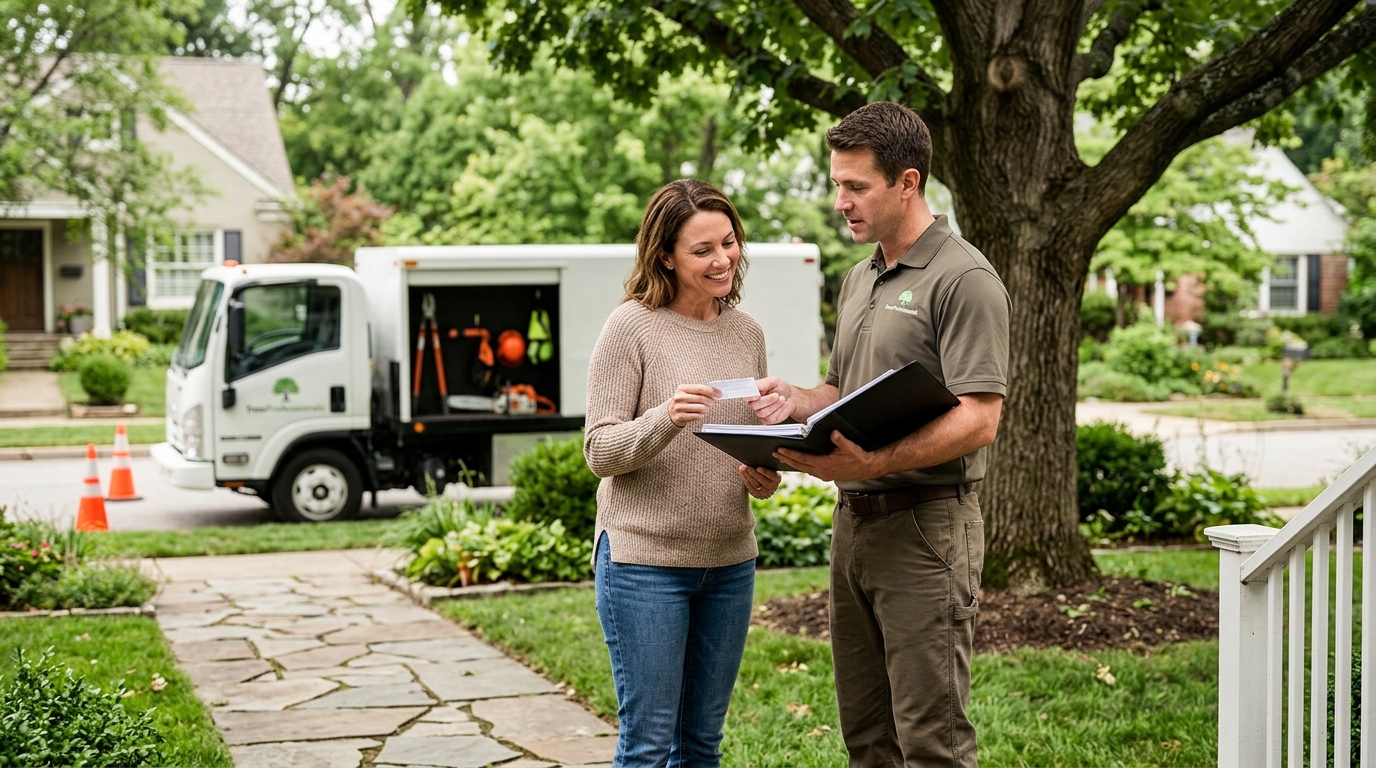
TreeProfessionals.com helps homeowners identify trustworthy tree services by explaining how to verify insurance, check credentials, and spot red flags like cash-only crews or unusually low bids. This guide covers the specific steps to vet a contractor safely and avoid costly mistakes.
Cash-Only Crews: The Biggest Red Flag
One of the most immediate signs of an untrustworthy tree service is a demand for cash-only payment. Legitimate tree care companies operate as registered businesses that require traceable transactions for tax compliance and liability management. When a crew insists on cash, they are often operating outside the legal framework that protects you as a consumer.
Why Cash Payments Are Risky
Cash payments leave no digital trail, making it nearly impossible to dispute work or seek recourse if damage occurs. If a crew member is injured on your property, the absence of workers' compensation insurance can leave you liable for medical bills. Furthermore, cash-only operators rarely carry general liability insurance, meaning if they drop a branch on your roof or car, you will pay for the repairs out of pocket.
What to Do If You Encounter Cash-Only Offers
If a contractor offers a significantly lower price in exchange for cash, walk away. The savings are rarely worth the legal and financial exposure. A trustworthy company will always provide a written invoice and accept checks or credit cards. This transparency is a baseline requirement for any professional service provider.
Unusually Low Bids: Why They Are Dangerous
Price is a major factor in hiring, but an unusually low bid is often a trap. Tree work is labor-intensive and requires specialized equipment. If a bid is significantly below the national average, the contractor is likely cutting corners on safety, insurance, or labor costs. This can lead to incomplete work, hidden fees, or dangerous practices.
Understanding the Cost Structure
Tree removal costs typically range from $200 to $2,000 depending on size and access. Stump grinding usually costs an additional $100 to $400. If a contractor bids $150 for a large tree removal, they are likely not covering the cost of proper equipment, skilled labor, or insurance. These low bids often result in additional charges for "unexpected" issues once the work begins.
How to Evaluate a Low Bid
Compare at least three written, itemized proposals. Look for details on felling, chipping, haul-away, and cleanup. If one bid is 50% lower than the others, ask the contractor to explain how they achieve that price. Vague answers or pressure to sign immediately are strong indicators of a scam or a low-quality operation.
Verifying Insurance and Credentials
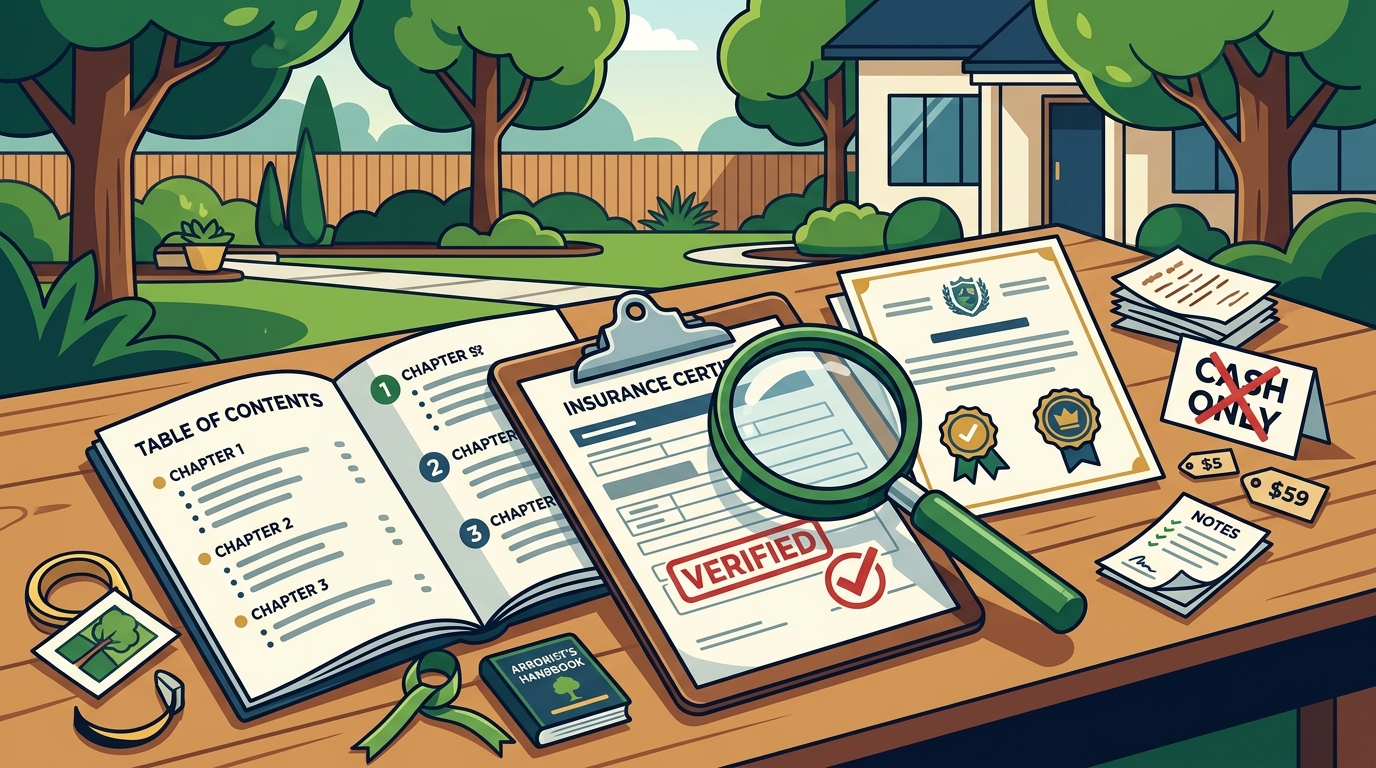
Since most states do not license tree work specifically, insurance is the primary tool for vetting a contractor. A legitimate company will provide a Certificate of Insurance (COI) showing general liability and workers' compensation coverage. This document should be sent directly from the insurance agent to you, not just a photocopy from the contractor.
Checking the Certificate of Insurance
General liability coverage, commonly $1,000,000 per occurrence, protects your property from damage. Workers' compensation covers the crew if someone is injured. Verify that the policy dates cover the scheduled work date. If a company refuses to provide a COI or sends a document that looks altered, do not hire them.
Looking for Professional Credentials
While not always required, an ISA Certified Arborist on staff is a positive sign of expertise. You can verify certification numbers through public directories. Additionally, check for a physical address and a working phone number. A company with no physical presence or only a mobile number is harder to hold accountable.
Key Takeaways
- Never pay cash-only; insist on traceable payment methods and written invoices.
- Be wary of bids significantly below the national average, as they often signal hidden costs or lack of insurance.
- Request a Certificate of Insurance sent directly from the agent to verify coverage.
- Check for a physical address and verifiable credentials to ensure accountability.
- Get at least three written, itemized proposals to compare scope and pricing.
- Walk away from contractors who pressure you for immediate decisions or refuse to provide paperwork.
Frequently Asked Questions
Do tree services need a license?
In most states, tree removal and pruning are not licensed trades. However, some cities or states may require a general contractor's license for jobs above a certain value. Always check your local regulations.
How much does tree removal cost?
Tree removal typically costs between $200 and $2,000 in the US, depending on the tree's height and access. Stump grinding is usually a separate charge of $100 to $400.
What should I look for in a written quote?
A good quote should be itemized, listing costs for felling, chipping, haul-away, stump work, and cleanup. It should also specify if a permit is required and who is responsible for obtaining it.
Is it safe to hire a contractor without insurance?
No. If a contractor is not insured and causes damage or injury, you may be held liable. Always verify insurance before signing a contract.
How can I verify a contractor's insurance?
Ask the contractor to have their insurance agent email the Certificate of Insurance directly to you. This prevents the use of outdated or forged documents.
What are the red flags of a bad tree service?
Red flags include cash-only payment, no written quote, pressure to sign immediately, no physical address, and refusal to provide proof of insurance.
Conclusion
Finding a trustworthy tree service requires diligence and attention to detail. By avoiding cash-only crews, scrutinizing unusually low bids, and verifying insurance and credentials, you can protect your property and ensure quality work. TreeProfessionals.com provides the plain-English guidance you need to make informed decisions. To start your search, browse our directory of local tree professionals and find a company that meets your safety and quality standards.