
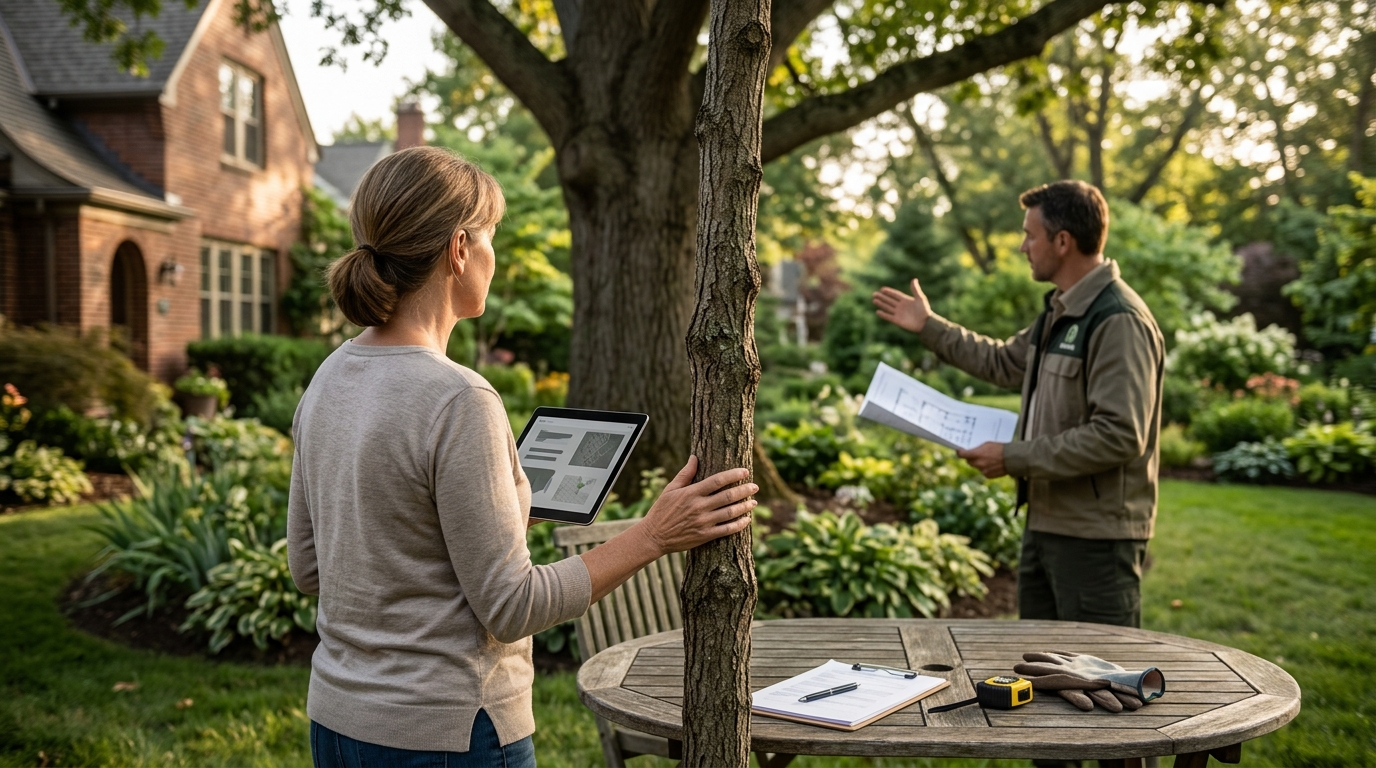
Tree removal permits depend on local ordinances, not just species. Many US cities protect specific trees, such as oaks, maples, or heritage specimens, requiring a permit for removal. TreeProfessionals.com helps homeowners navigate these rules by connecting them with local professionals who understand municipal codes. Always check your city or county website before cutting.
Why Local Ordinances Matter More Than Species
There is no single national list of protected trees. Instead, local governments create their own rules based on environmental goals and urban forestry needs. A tree that is freely removable in one suburb may be strictly protected in the neighboring town. This variation means that the specific species is less important than the jurisdiction where the tree stands.
Local ordinances often define protected trees by diameter, height, or specific species lists. For example, a city might protect all oaks over 12 inches in diameter, regardless of health. Understanding these local thresholds is the first step in determining if you need a permit. Ignoring these rules can result in fines that far exceed the cost of the removal itself. according to Designating a Local
Commonly Protected Species in US Cities
While lists vary, certain species appear frequently on municipal protection lists due to their ecological value or historical significance. Oak trees are among the most commonly protected species in the eastern and central United States. Many cities require a permit to remove any live oak, or any oak above a certain trunk size, to preserve canopy cover and wildlife habitat.
Maples and elms are also frequently protected, particularly in older neighborhoods where they provide significant shade and aesthetic value. In some coastal areas, live oaks and palmettos may be protected due to their role in erosion control. Homeowners should look for specific species names in their local code, as generic terms like "shade trees" can be ambiguous and open to interpretation by enforcement officers.
Heritage and Historic Tree Designations
Beyond species-based protection, many cities designate individual trees as "heritage" or "historic" trees. These designations are often applied to trees that are over 100 years old, have exceptional size, or are located in historic districts. A heritage tree is a specific individual tree that has been officially recognized by a local authority for its cultural or historical value.
Removing a heritage tree usually requires a much more rigorous process than removing a standard protected species. It often involves a public hearing, an arborist's report, and approval from a planning commission. Even if a heritage tree is dead or dying, removal is rarely automatic. Homeowners must prove that the tree poses an imminent danger and that no other options exist. This process can take months, so planning ahead is essential.
How to Check Your Local Regulations
The most reliable way to determine if your tree requires a permit is to contact your local municipal planning or public works department. You can often find this information on your city's official website under sections like "Urban Forestry" or "Tree Ordinances." If you cannot find the information online, a phone call to the city clerk or planning office is the fastest way to get a definitive answer.
When contacting the city, have the tree's species, approximate height, and trunk diameter ready. These details help the official determine if the tree falls under a specific protection category. You can also use the Find a Pro directory to locate local tree care professionals who are familiar with your area's specific regulations. These professionals can often advise you on the permit process and help you gather the necessary documentation.
Consequences of Unpermitted Removal
Removing a protected tree without a permit can lead to significant financial and legal consequences. Fines for unpermitted removal can range from a few hundred dollars to several thousand, depending on the size and species of the tree. In some jurisdictions, the fine is calculated based on the replacement value of the tree, which can be substantial for large, mature specimens.
In addition to fines, you may be required to replace the tree with a similar species at your own expense. This "tree-for-tree" replacement requirement is common in many urban areas. Furthermore, unpermitted removal can complicate future property sales, as buyers and their inspectors may flag the violation. To avoid these issues, always verify the status of your tree before hiring a crew. For more information on the costs associated with tree removal, visit our tree removal cost guide.
Key Takeaways
- Permit requirements are determined by local city or county ordinances, not by a national standard.
- Oaks, maples, and elms are among the most commonly protected species in US urban areas.
- Heritage trees are individually designated and often require a more complex approval process than species-based protections.
- Always check your local municipal website or contact the planning department to verify if your specific tree is protected.
- Unpermitted removal can result in fines, mandatory tree replacement, and complications during property sales.
- Local tree care professionals can help you navigate the permit process and understand local regulations.
Frequently Asked Questions
Do I need a permit to remove a dead tree?
It depends on the local ordinance. Some cities require a permit for any tree removal, including dead trees, while others may waive the permit if the tree is proven to be dead and poses a safety hazard. Always check with your local planning department to confirm the specific rules for dead or dying trees in your area.
What is the difference between a protected species and a heritage tree?
A protected species is a type of tree that is generally protected by law within a jurisdiction, often based on species and size. A heritage tree is a specific individual tree that has been officially designated for its historical, cultural, or exceptional aesthetic value. Heritage trees typically have stricter removal requirements than standard protected species.
How much does it cost to get a tree removal permit?
Permit fees vary by municipality. Some cities charge a flat fee, while others base the fee on the size or value of the tree. In some cases, the permit may be free if the tree is dead or poses an immediate safety risk. Check your local government's fee schedule for specific amounts.
Can I remove a protected tree if it is on my property?
Ownership of the land does not automatically grant the right to remove a protected tree. If the tree falls under a local protection ordinance, you must obtain a permit regardless of whether it is on your property. Failure to do so can result in fines and other penalties.
Who can help me determine if my tree is protected?
Your local municipal planning or public works department is the authoritative source for determining if a tree is protected. You can also consult with a local tree care professional who is familiar with your area's regulations. Use the Find a Pro directory to locate professionals in your area.
Next Steps for Homeowners
Before scheduling any tree work, take the time to verify the status of your trees. Start by identifying the species and measuring the trunk diameter. Then, contact your local planning department to confirm if a permit is required. If you are unsure about the process, consider consulting with a local professional who can guide you through the regulations. TreeProfessionals.com is here to help you find the right local experts to answer your questions and ensure your tree work is compliant and safe.