
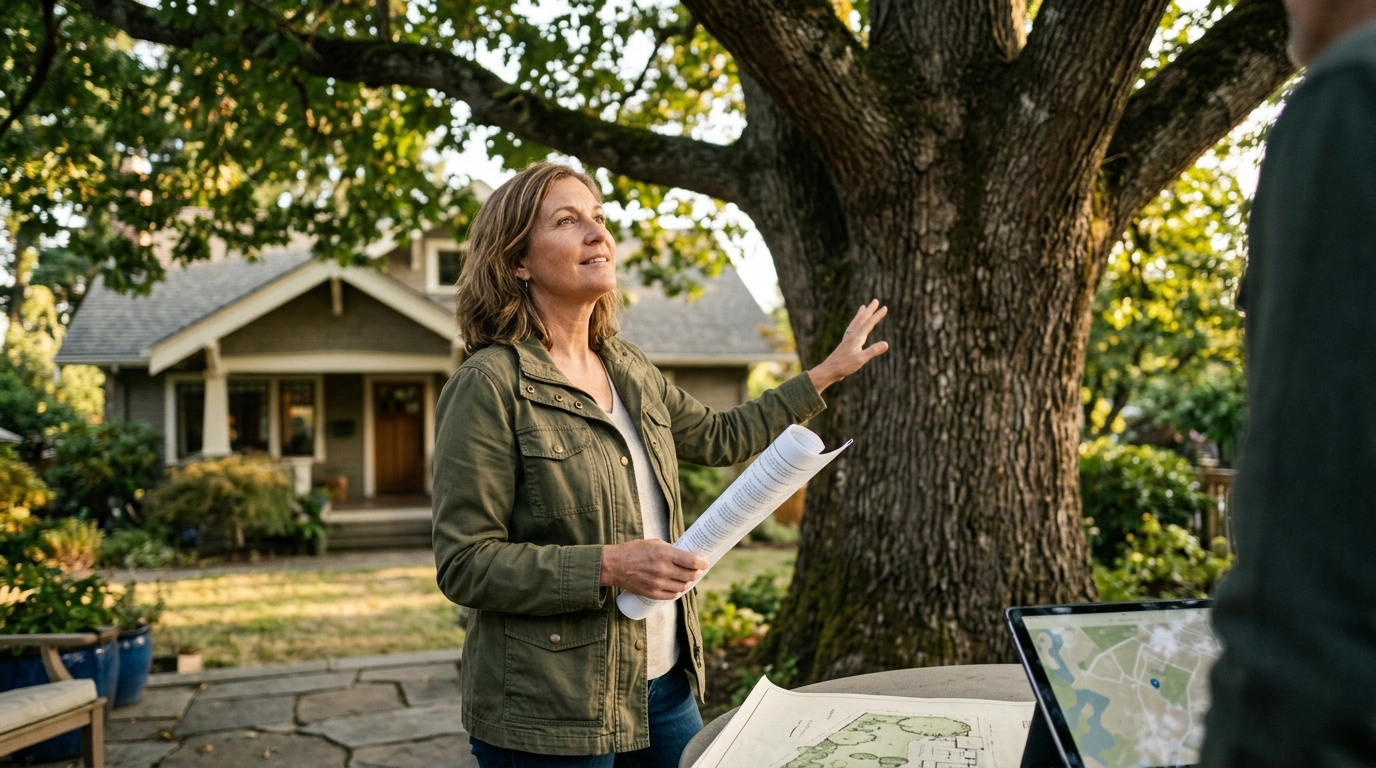
Yes, you often need a permit to cut down a tree on your property, but it depends on your local jurisdiction, the tree's size, and its health status. TreeProfessionals.com explains the rules in plain English. This guide covers protected heritage trees, dead tree exemptions, and how to check your local requirements.
Protected Heritage Tree Status
Many municipalities designate specific trees as protected heritage specimens. A protected tree is a specimen that has been legally designated by a local authority due to its age, size, rarity, or historical significance. These trees are often listed in a local registry or map. If your tree is on this list, you generally cannot remove it without a special variance or a very strong justification, such as severe disease or imminent danger to life.
How to Check if Your Tree is Protected
Start by contacting your local city or county planning department. Ask for the current list of protected trees in your neighborhood. Some cities use a specific diameter threshold, such as 12 inches or more, to trigger protection for all trees of certain species. Others protect specific named trees, like a historic oak in a park or a large maple on a main street. If your tree is protected, the removal process is slower and more expensive because it requires a public hearing or a review by an arborist.
Species-Specific Protections
Some areas protect specific species regardless of size. For example, certain native oaks or heritage maples may be protected by local ordinance. This is common in areas with a history of oak wilt or other significant tree diseases. The goal is to preserve the urban canopy. If you are unsure, assume the tree is protected until you verify its status with the local authority. This step prevents costly fines and forced replanting requirements.
Dead and Hazardous Tree Exemptions
Most permit laws include an exemption for dead or hazardous trees. A hazardous tree is one that poses an immediate threat to life or property due to structural failure, such as a large crack in the trunk or a leaning root plate. If a tree is dead, many jurisdictions allow you to remove it without a standard permit, or they offer a fast-track permit process. The key is documentation. You need proof that the tree is dead or dangerous.
Documenting the Hazard
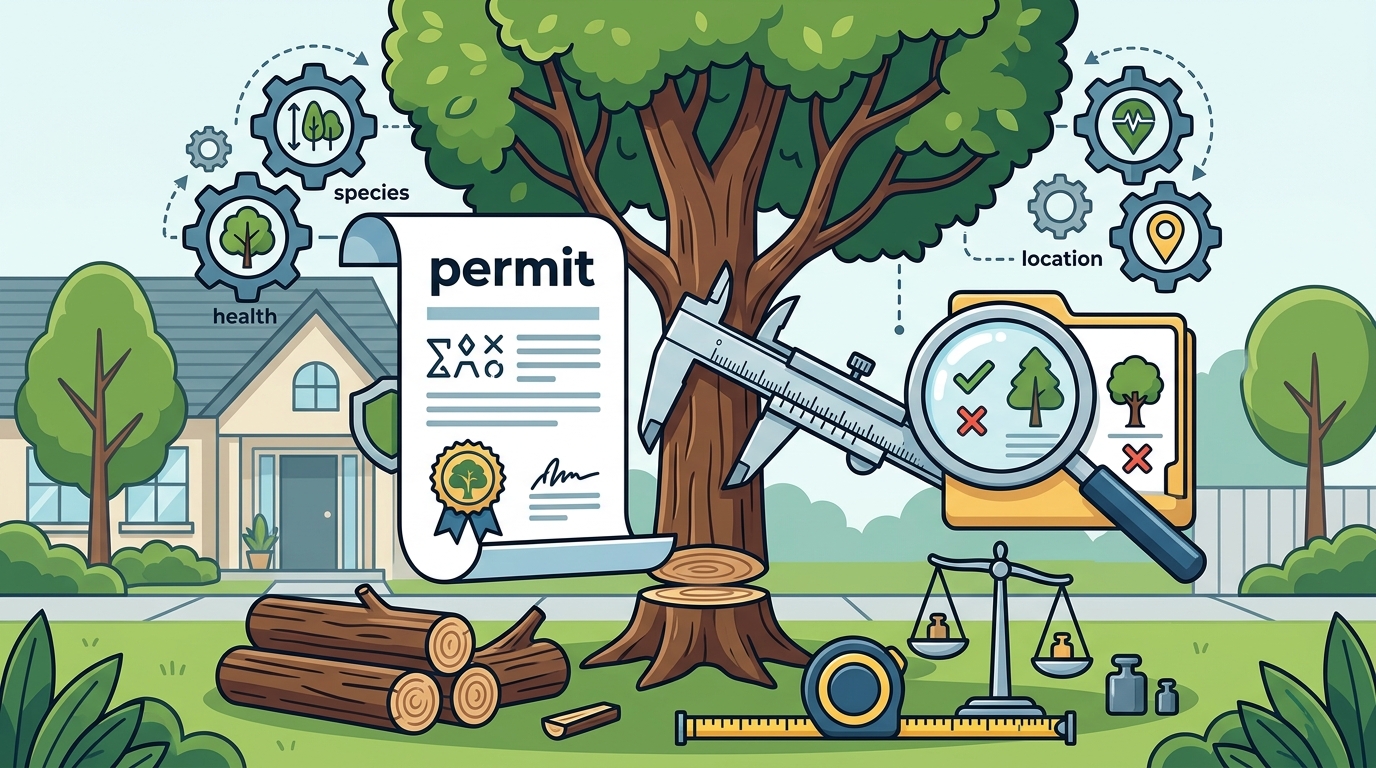
Take clear photos of the damage. Show the crack, the lean, or the lack of leaves. A professional arborist can provide a written report stating the tree is dead or hazardous. This report is often required for the exemption. Without it, the city may deny your request or force you to go through the full permit process. An arborist report adds credibility and speeds up the approval. It shows the city that you are acting responsibly, not just trying to avoid a fee.
Emergency Removal
If a tree is about to fall on your house or a neighbor's property, you may be able to remove it immediately without a permit. This is an emergency situation. However, you should still notify the city or your insurance company as soon as possible. Keep records of the emergency. If you remove a tree that is not actually an emergency, you may face fines. When in doubt, call a professional to assess the risk before you cut.
Local Permit Rules and Trunk Size
Permit requirements vary by city, county, and state. In many US cities, you need a permit to remove any tree with a trunk diameter over a certain size, often 6 to 12 inches. A trunk diameter is the measurement of the tree's trunk at 4.5 feet above the ground. This measurement determines if the tree is large enough to require a permit. Smaller trees, like saplings or small ornamental shrubs, usually do not need a permit. Always check your local code, as the threshold varies.
Why Trunk Size Matters
Trunk size is a proxy for the tree's value and impact on the environment. Larger trees provide more shade, absorb more carbon, and support more wildlife. Cities use this metric to balance property rights with environmental goals. If your tree is under the threshold, you can likely remove it without a permit. If it is over the threshold, you must apply. The application usually requires the tree's species, size, and the reason for removal.
Where to Find Your Local Code
Visit your city or county's official website. Look for the "Planning" or "Development" section. Search for "tree ordinance" or "vegetation management." You can also call the planning department directly. They can tell you the exact diameter threshold and the species that are protected. This information is public and free. Do not rely on general internet advice, as local rules are specific to your jurisdiction.
HOA and Private Restrictions
Even if your city does not require a permit, your Homeowners Association (HOA) might. An HOA is a private organization that manages a residential community. HOAs often have covenants, conditions, and restrictions (CC&Rs) that limit tree removal. These rules can be stricter than city laws. For example, an HOA might require approval for any tree over 4 inches in diameter, regardless of local permit rules. You must check your HOA bylaws before cutting.
HOA Approval Process
HOA approval usually involves submitting a request to the board. You may need to provide a reason for removal and a plan for replanting. The board can approve or deny the request. If they deny it, you may have to keep the tree, even if it is dead or hazardous. This is a private contract, not a government law. Read your HOA documents carefully. If you are unsure, ask the HOA manager for a written copy of the tree removal policy.
The Permit Application Process
Applying for a tree removal permit is a straightforward process in most cities. You fill out a form, pay a fee, and submit it to the planning department. The form asks for your address, the tree's species, its diameter, and the reason for removal. You may also need to provide a site plan showing the tree's location. The review process can take anywhere from a few days to several weeks, depending on the city's workload.
What to Include in Your Application
Include clear photos of the tree from multiple angles. If the tree is dead or hazardous, include an arborist report. If you plan to replant, include a plan for the new tree. The more information you provide, the faster the approval. A complete application is less likely to be rejected or delayed. Keep a copy of everything you submit. This helps if you need to follow up or if there is a dispute later.
Replanting Requirements
Many cities require you to replant a tree if you remove a large one. This is called a "one-for-one" replacement. The new tree must be of a similar size and species, or one approved by the city. You may need to keep the new tree alive for a certain period, often one to three years. If the new tree dies, you may have to replace it again. Factor this cost and effort into your decision. It is often cheaper to prune or treat a tree than to remove and replace it.
Key Takeaways
- Check your local city or county code for tree removal permit requirements.
- Protected heritage trees often require special variances or cannot be removed at all.
- Dead or hazardous trees may be exempt from permits, but you need documentation.
- Trunk diameter is the most common metric used to determine if a permit is needed.
- HOAs can impose stricter rules than local governments, so check your bylaws.
- Replanting requirements are common and can add cost and time to the project.
- Always get a written permit before cutting to avoid fines and legal issues.
Frequently Asked Questions
Do I need a permit to remove a small tree?
Usually, no. Most cities only require permits for trees with a trunk diameter over 6 to 12 inches. Small trees and shrubs are generally exempt. However, check your local code to be sure, as some areas have lower thresholds.
What happens if I cut down a tree without a permit?
You may face fines, be required to replant, or be ordered to restore the site. In some cases, you may have to pay for the removal of the tree and the replanting of a new one. It is always cheaper and easier to get a permit first.
Can I remove a dead tree without a permit?
Often, yes, but you need to prove the tree is dead. A professional arborist report is the best way to document this. Some cities have a fast-track process for dead trees, while others still require a standard permit.
Who decides if a tree is hazardous?
A certified arborist or a city inspector can determine if a tree is hazardous. They look for signs of structural failure, such as cracks, lean, or root damage. Their assessment is usually accepted by the city for permit exemptions.
Do HOAs have the right to stop me from removing a tree?
Yes, if their bylaws say so. HOAs are private organizations, and their rules are binding on members. You must follow their approval process, even if the city does not require a permit.
How long does the permit process take?
It varies by city. Some cities approve permits in a few days, while others take several weeks. Emergency situations may be processed faster. Check with your local planning department for their current processing times.
Do I need a permit to prune a tree?
Usually, no. Pruning is generally allowed without a permit, as long as you do not remove more than a certain percentage of the tree's canopy. However, some cities have rules about pruning protected trees. Check your local code for pruning restrictions.