
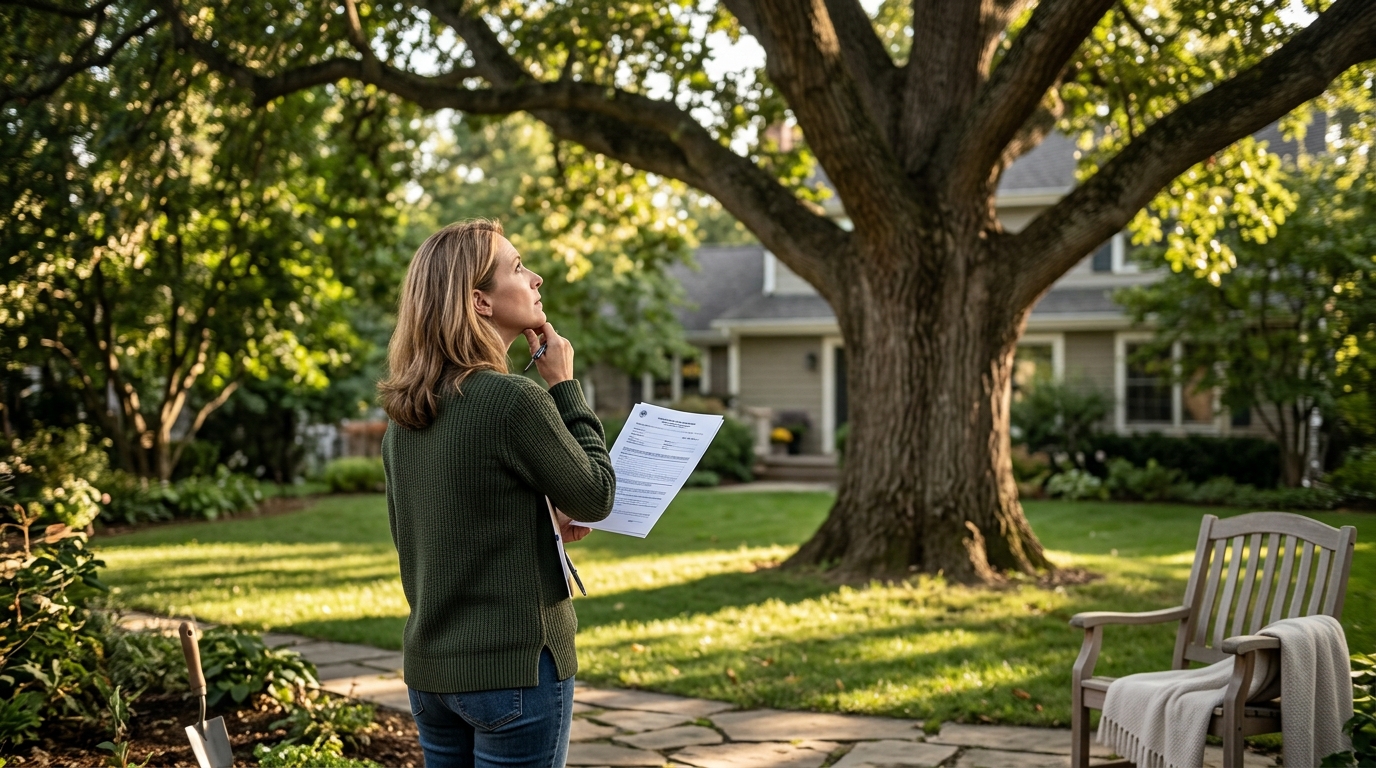
Yes, in many US cities and counties, you need a permit to cut down a tree on your property, especially if it is large, protected, or located in a designated zone. TreeProfessionals.com explains the rules in plain English. This guide covers protected tree status, dead tree exemptions, and how to check your local requirements.
Protected and Heritage Tree Status
Many municipalities designate specific trees as protected or heritage trees. A protected tree is a tree that is legally restricted from removal or significant pruning without explicit government approval. These designations often apply to trees over a certain diameter, such as 6 or 12 inches, or to specific species native to the region. Heritage trees are often older specimens with historical or ecological significance. Removing a protected tree without a permit can result in fines that exceed the cost of the removal itself. Homeowners should check their local arborist or planning department to see if their specific tree is on a protected list. The tree removal guide on TreeProfessionals.com details how trunk diameter and species influence permit requirements.
Species and Size Restrictions
Local ordinances frequently restrict the removal of large shade trees, such as oaks, maples, or elms. A heritage tree is a tree recognized for its age, size, or historical value, often requiring a special permit or waiver. Some cities protect all trees above a certain size, while others focus on specific species that provide significant ecological benefits. If your tree is a protected species, you may need to hire a certified arborist to assess its health before applying for a removal permit. The arborist guide explains when professional assessment is necessary for protected trees.
HOA and Neighborhood Restrictions
Dead and Hazardous Tree Exemptions
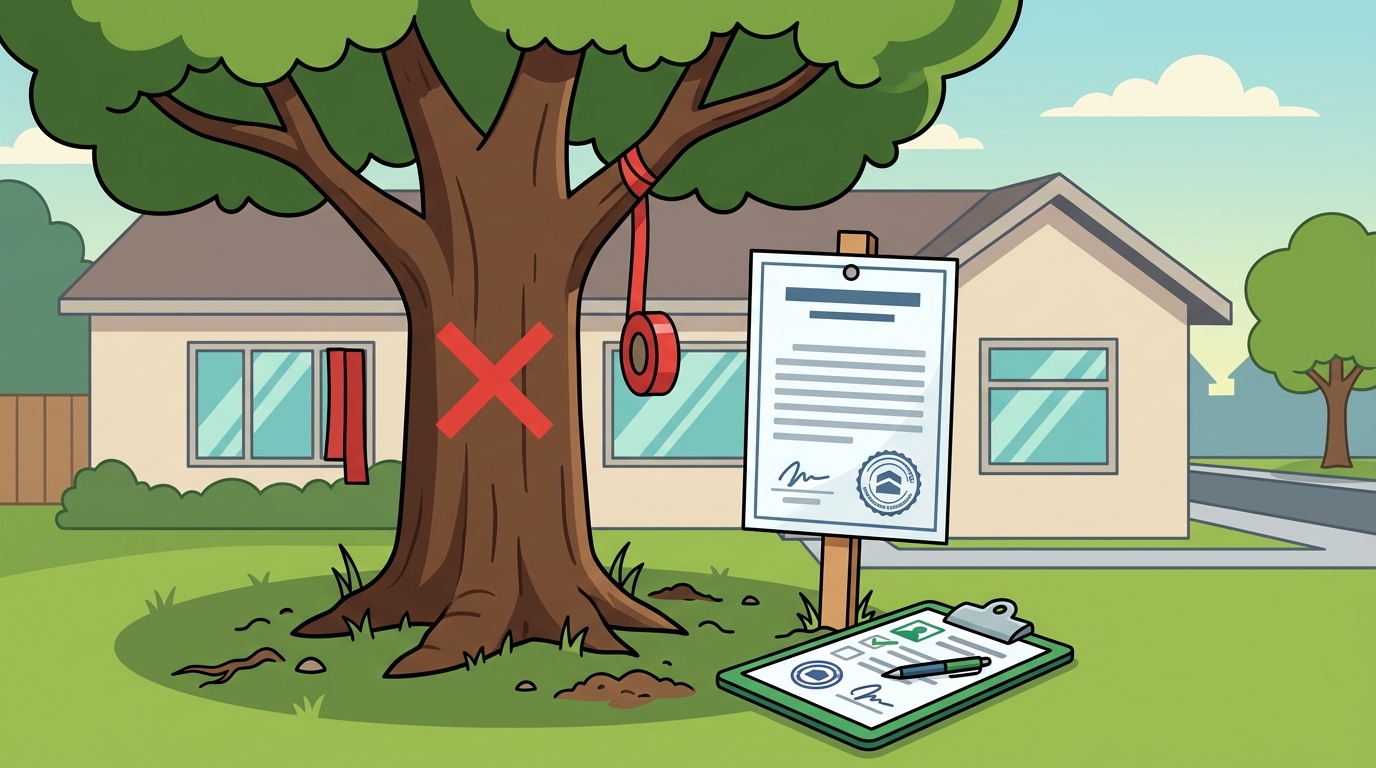
Most jurisdictions offer exemptions for dead or hazardous trees. A dead tree is a tree that has no living tissue in its bark or branches, posing a risk of falling. A hazardous tree is a living tree that has structural defects, such as large cracks or root failure, making it likely to fall. In many cities, you can remove a dead tree without a standard permit, but you must provide proof of death, often through a photo or a statement from a professional. For hazardous trees, you may need an emergency permit or a waiver based on a risk assessment. The signs of a dead tree page helps you identify if your tree qualifies for an exemption.
Emergency Removal Protocols
If a tree is leaning heavily or has a major crack, it may be considered an immediate hazard. An emergency permit is a fast-tracked authorization for tree removal due to imminent danger. These permits often require a site visit by a city arborist or a report from a licensed professional. Do not attempt to remove a hazardous tree yourself if it is near structures or power lines. The storm damage guide covers the steps to take when a tree becomes hazardous after a storm.
Documentation Requirements
To claim an exemption, you usually need documentation. This might include photos of the dead branches, a letter from an arborist, or a city inspection report. Keep all records in case of an audit. The cost guides section explains how documentation can affect the overall cost of removal and permitting.
How to Check Your Local Rules
Permit rules vary by city, county, and state. To check your local rules, start by visiting your municipal planning or parks department website. Search for "tree ordinance" or "arborist code" in your city name. If you cannot find the information online, call the department directly. Ask specifically about trunk diameter limits, protected species, and exemption processes. The Find a Pro directory on TreeProfessionals.com can help you locate local professionals who are familiar with your specific municipal codes.
Questions to Ask the City
When contacting your local government, ask these specific questions: Is my tree species protected? What is the minimum trunk diameter for a permit? Are there exemptions for dead trees? What is the cost and processing time for a permit? Having these answers ready will save you time and prevent misunderstandings with contractors.
Consequences of Skipping Permits
Removing a tree without a required permit can lead to significant penalties. Fines can range from a few hundred to several thousand dollars, depending on the size of the tree and the severity of the violation. In some cases, the city may require you to replant a tree of similar size. Additionally, if you are selling your home, unpermitted tree removal can complicate the sale and lower the property value. The insurance guide notes that unpermitted work may also affect your homeowners insurance claims.
Impact on Home Value and Insurance
Unpermitted removals can raise red flags during a home inspection. Buyers may request that you reverse the work or pay a penalty. Insurance companies may deny claims if they discover that tree work was performed without proper permits or by unlicensed contractors. Always ensure your contractor is insured and that all permits are pulled before work begins. The vetting guide explains how to verify a contractor's insurance and permit history.
Key Takeaways
- Many cities require permits for trees over 6 or 12 inches in diameter.
- Protected and heritage trees often have stricter removal rules.
- Dead and hazardous trees may qualify for permit exemptions.
- HOA rules can restrict tree removal even if the city does not.
- Skipping permits can result in fines and insurance complications.
- Always check your local municipal code before scheduling removal.
- Use the Find a Pro directory to locate local experts.
Frequently Asked Questions
Do I need a permit to remove a small tree?
It depends on your local ordinance. Many cities only require permits for trees over a certain diameter, such as 6 or 12 inches. Check your local planning department for specific size thresholds.
Can I remove a dead tree without a permit?
Often, yes. Most jurisdictions exempt dead trees from standard permit requirements, but you may need to provide proof of death, such as photos or a professional statement.
What is a heritage tree?
A heritage tree is a tree recognized for its age, size, or historical value. These trees often require special permits or waivers for removal.
How much does a tree removal permit cost?
Permit costs vary by city. They can range from free to several hundred dollars. Check your local government website for current fees.
Will my HOA stop me from removing a tree?
Yes, if your HOA bylaws restrict tree removal. Always review your HOA rules before scheduling any work, even if the city does not require a permit.
What happens if I remove a tree without a permit?
You may face fines, be required to replant, or encounter issues during a home sale. Insurance claims may also be affected.
Conclusion
Understanding permit requirements is essential for safe and legal tree removal. Always check your local municipal code and HOA rules before scheduling work. Use the Find a Pro directory on TreeProfessionals.com to connect with local professionals who understand your specific regulations. Visit TreeProfessionals.com for more plain-English answers to your tree care questions.