
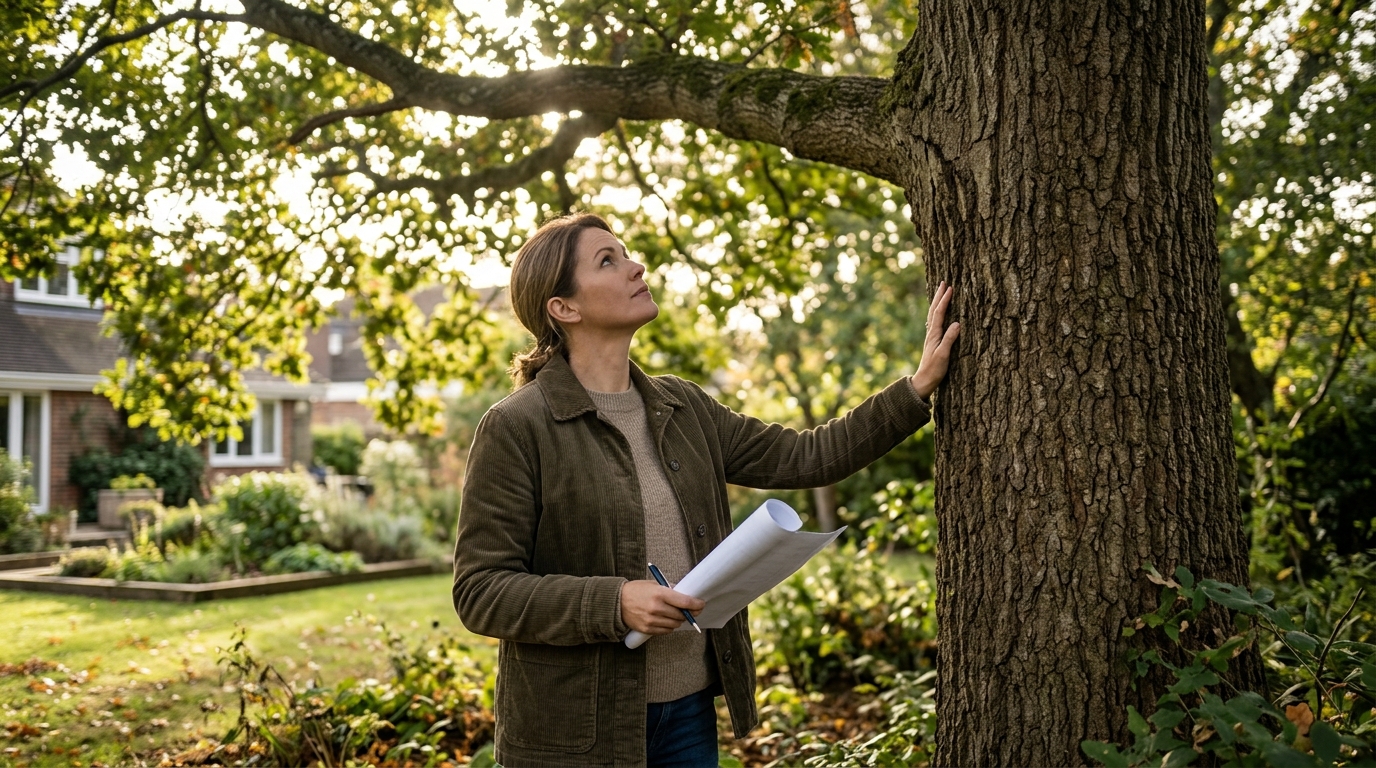
Yes, you often need a permit to cut down a tree on your property, but it depends on your local jurisdiction, the tree's size, and its species. TreeProfessionals.com explains the rules in plain English so you can avoid fines and delays. This guide covers protected tree status, dead tree exemptions, and how to check your local requirements.
Protected and Heritage Tree Status
Many municipalities designate specific trees as protected or heritage trees. A protected tree is a specific specimen that has been officially registered with local authorities due to its age, size, or historical significance. These trees often require a special permit or a waiver to remove, even if they are on private property. The rules for protected trees are usually stricter than for standard shade trees.
Identifying Protected Species
Some cities protect entire species rather than individual trees. For example, certain native oaks or large maples might be protected by default. If you plan to remove a tree that matches a protected species list, you must verify its status before cutting. Local arborists can often help identify these trees, but the final determination usually rests with the city's planning or parks department.
Heritage Designations
A heritage tree is a tree that has been granted special status for its cultural or historical value. These designations are rare but carry significant legal weight. Removing a heritage tree without authorization can result in severe penalties, including fines and mandatory replanting. Always check your local heritage register if you are unsure about a large, old tree on your property.
Dead and Hazardous Tree Exemptions
Most jurisdictions offer exemptions for dead or hazardous trees. A dead tree is one that has no living tissue in its bark or branches, confirmed by a scratch test or professional assessment. A hazardous tree is a living tree that poses an immediate threat to life or property due to structural failure, such as a large crack or lean. In many areas, you can remove a dead or hazardous tree without a standard permit, but you may still need to file a notification or obtain an emergency permit.
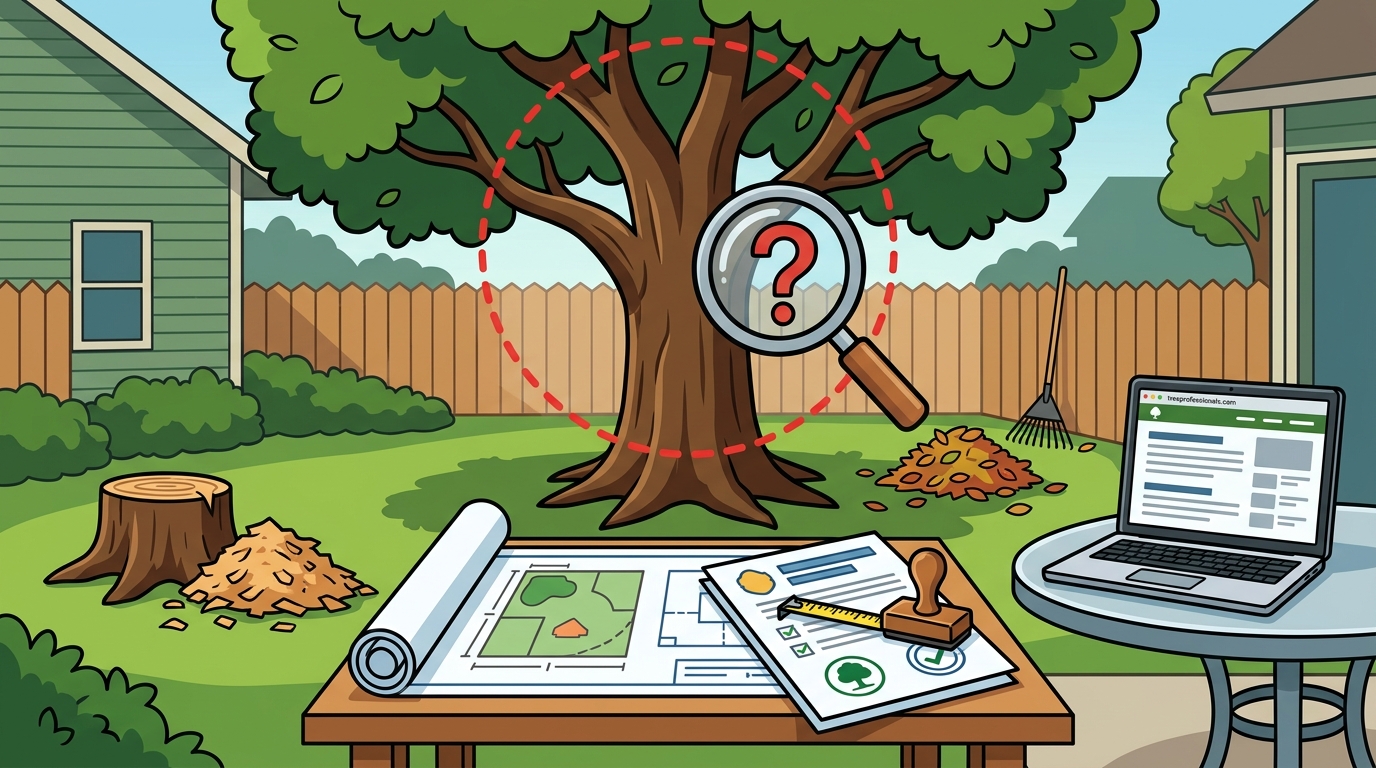
Emergency Removals
Documentation Requirements
Even when a permit is not required, local authorities may ask for proof that the tree was dead or hazardous. Keep records of any arborist reports, photos showing decay or lean, and dates of observation. This documentation protects you if a neighbor or city official questions the removal later.
Local Permit Requirements and Triggers
Permit requirements vary widely by city, county, and even neighborhood. A tree permit is an official authorization from a local government agency that allows you to remove a tree on your property. Common triggers for requiring a permit include the tree's diameter, height, or species. For example, many cities require a permit for any tree with a trunk diameter over 6 or 12 inches, regardless of its health.
Size and Species Triggers
Local ordinances often use specific measurements to determine if a permit is needed. A small sapling might not require a permit, while a mature oak with a 20-inch trunk likely will. Some jurisdictions also protect specific species, such as native oaks or large shade trees, requiring a permit for their removal even if they are small. Always check the specific diameter and species rules in your local code.
HOA and Zoning Restrictions
Homeowners associations (HOAs) and zoning laws can impose additional restrictions beyond city ordinances. An HOA may require approval for any tree removal, regardless of size or health. Zoning laws might also limit the number of trees you can remove or require replanting. Review your HOA covenants and local zoning maps before planning any tree work.
How to Check Your Local Rules
The best way to know if you need a permit is to contact your local municipal office. Start by calling your city's planning, parks, or code enforcement department. Ask specifically about tree removal permits for your address. You can also search your city's website for "tree removal permit" or "vegetation management" to find online applications and guidelines.
Online Resources
Many cities offer online permit portals where you can check requirements and apply for permits. These portals often provide instant feedback on whether a permit is needed based on the tree's details. If your city does not have an online system, a phone call is usually the fastest way to get an answer. Keep a record of who you spoke with and what they told you. according to Eldorado National Forest
Professional Assistance
Tree service professionals are often familiar with local permit requirements. When you hire a licensed and insured tree service, they can often handle the permit process for you. This can save you time and ensure that all paperwork is completed correctly. TreeProfessionals.com connects homeowners with local professionals who understand the local regulatory landscape.
Consequences of Skipping the Permit
Removing a tree without a required permit can lead to fines, stop-work orders, and mandatory replanting. Fines can range from a few hundred to several thousand dollars, depending on the tree's size and the local ordinance. In some cases, the city may require you to replace the removed tree with a new one, at your expense. These penalties can far exceed the cost of the permit itself.
Legal and Insurance Implications
Skipping a permit can also complicate insurance claims. If a tree falls and causes damage, your insurance company may deny the claim if the removal was not properly permitted. Additionally, if you are caught removing a protected tree without authorization, you may face legal action from the city or neighbors. Always err on the side of caution and obtain the necessary permits before starting any tree work.
Key Takeaways
- Permit requirements vary by location, tree size, and species.
- Protected and heritage trees often require special permits or waivers.
- Dead and hazardous trees may qualify for permit exemptions, but documentation is key.
- HOAs and zoning laws can impose additional restrictions beyond city rules.
- Always check with your local municipal office before removing a tree.
- Skipping a permit can result in fines, stop-work orders, and insurance issues.
- Professional tree services can often handle the permit process for you.
Frequently Asked Questions
Do I need a permit to remove a dead tree?
It depends on your local jurisdiction. Many areas allow you to remove dead trees without a standard permit, but you may need to file a notification or obtain an emergency permit. Always check with your local planning department to confirm the specific rules for dead trees in your area.
What happens if I remove a tree without a permit?
You may face fines, stop-work orders, and mandatory replanting requirements. The penalties can be significant, especially for large or protected trees. It is always safer to obtain the necessary permits before starting any tree removal work.
How do I know if a tree is protected?
Check your local heritage register or protected species list. You can also contact your city's parks or planning department to ask about specific trees on your property. A professional arborist can help identify protected species, but the final determination usually rests with local authorities.
Can my HOA stop me from removing a tree?
Yes, your HOA can impose restrictions on tree removal, even if the city does not require a permit. Review your HOA covenants and bylaws to understand any approval requirements. You may need to submit a request to your HOA board for approval before removing any tree.
Who handles the permit process if I hire a tree service?
Many professional tree services can handle the permit process on your behalf. They are often familiar with local regulations and can ensure that all paperwork is completed correctly. Confirm with your chosen service provider whether they include permit handling in their quote.
Do I need a permit to trim a tree?
Generally, no. Most jurisdictions do not require a permit for routine tree trimming. However, if you are trimming a protected or heritage tree, you may need a permit. Always check with your local authorities if you are unsure about the rules for trimming specific trees.
How long does it take to get a tree removal permit?
Processing times vary by jurisdiction. Some cities issue permits instantly or within a few days, while others may take several weeks. Check with your local planning department for estimated processing times. Factor this into your project timeline to avoid delays.
Conclusion
Understanding permit requirements is a critical step in any tree removal project. By checking your local rules, identifying protected trees, and documenting any hazards, you can avoid costly fines and legal issues. TreeProfessionals.com provides plain-English guidance to help you navigate these regulations with confidence. For more information on tree care and removal, visit TreeProfessionals.com to find local professionals and answer your questions.