
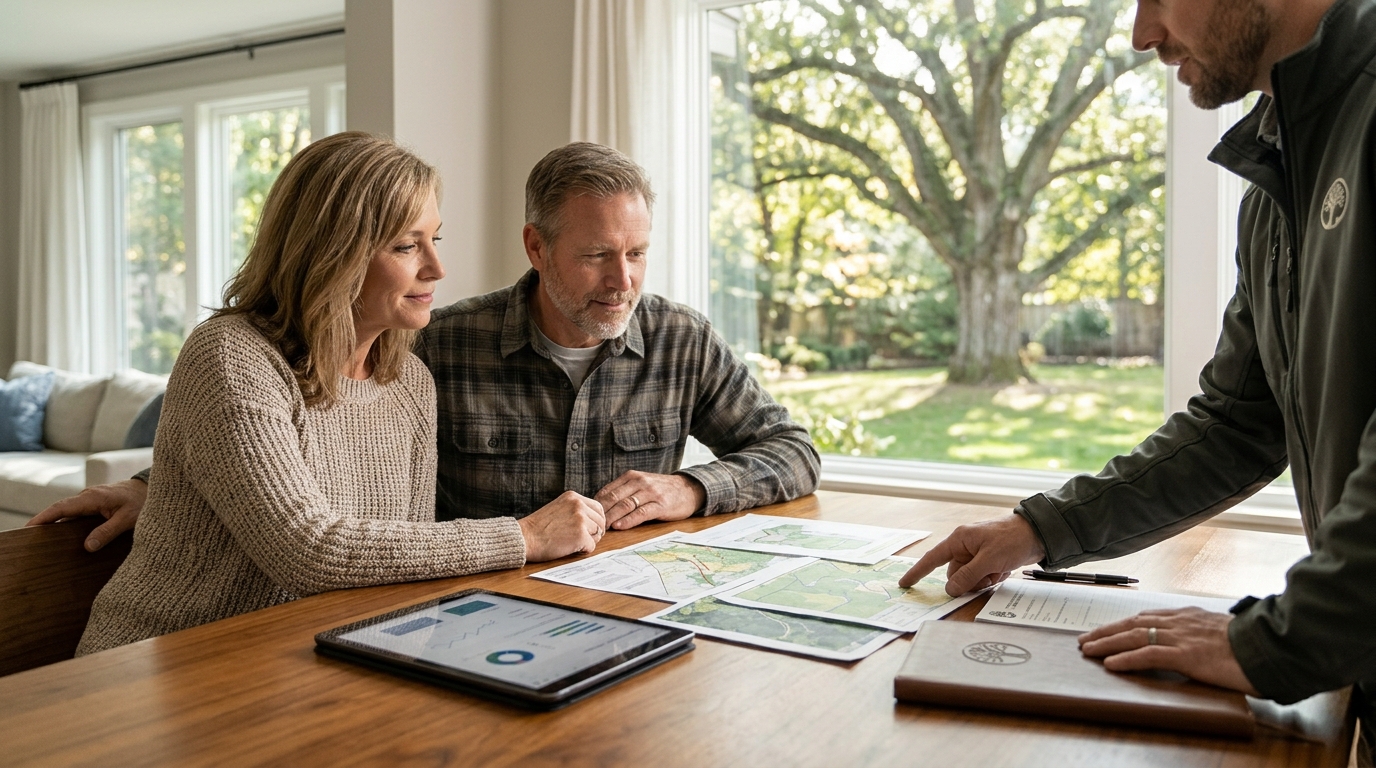
Tree removal permits are local government or private rules that require written approval before cutting down a tree. Most cities require a permit for trunks over 6 to 12 inches in diameter, but requirements vary by jurisdiction. TreeProfessionals.com helps homeowners understand these rules in plain English so you can avoid fines and delays.
1. Local Municipal Tree Removal Permit
Most cities require a permit for trunks over 6 to 12 inches in diameter. This is the most common requirement in the United States. The permit ensures the tree is not protected by local ordinances. You must apply before the tree is cut.
2. Protected Tree or Heritage Tree Approval
Protected trees often require a special waiver or arborist report. Many jurisdictions designate certain trees as protected due to their size, species, or age. Removing these trees usually requires a formal application and sometimes a professional assessment.
3. HOA Architectural Review Board Approval
Homeowners associations often require written consent before any exterior changes. If you live in a community with an HOA, you must check their covenants. They may require a specific form or a vote by the board.
4. Utility Company Clearance
Utilities must clear any tree within 10 feet of power lines. You cannot legally cut branches near high-voltage lines yourself. The utility company is responsible for this work. Contact them before hiring a crew.
5. Environmental or Wetland Permit
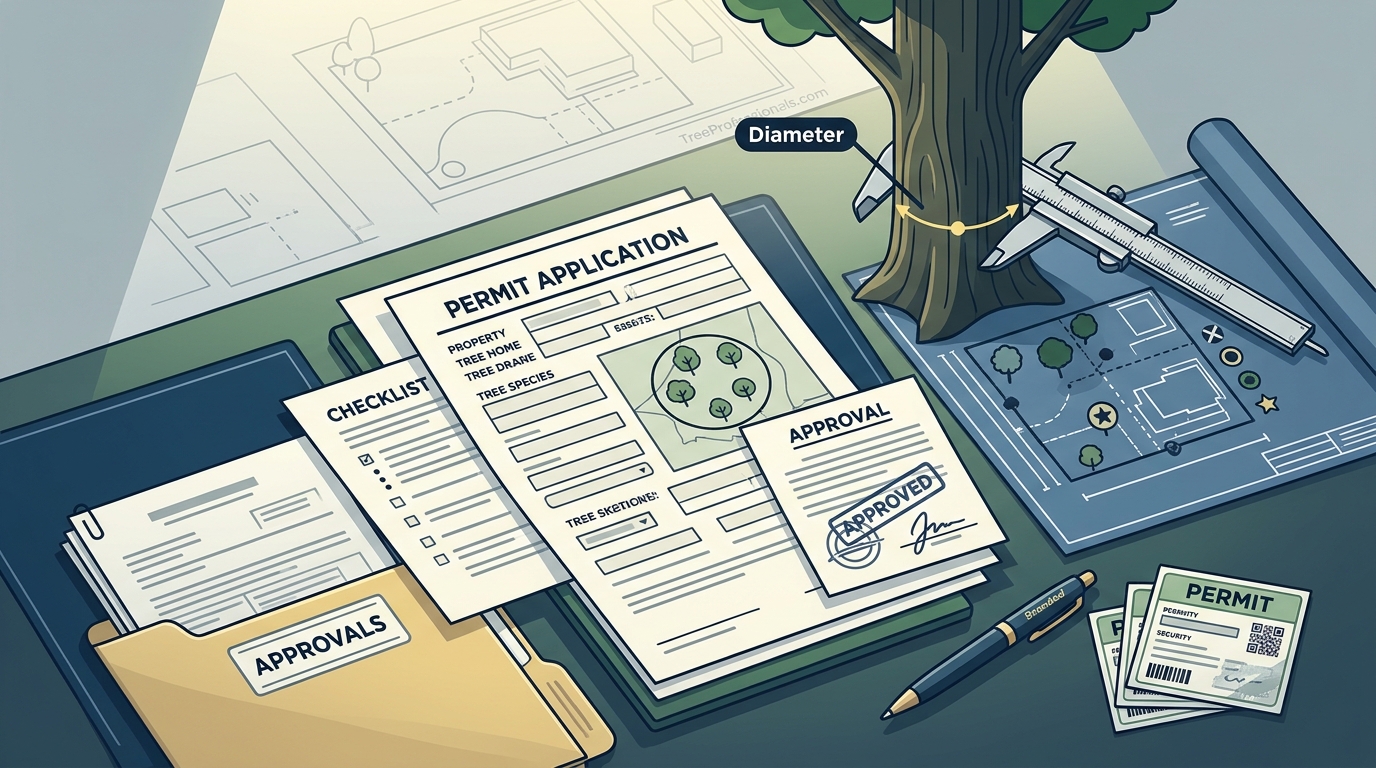
Trees in wetlands or near waterways may need state or federal permits. If your property borders a stream, lake, or wetland, removing trees can affect the environment. These permits are stricter and take longer to process.
6. Construction or Grading Permit
Removing trees for construction often requires a grading permit. If you are building a house or driveway, the city may require a plan for how you will manage soil and water runoff. This is separate from the tree removal permit.
7. Neighbor Notification or Dispute Resolution
Some cities require you to notify neighbors before removing a large tree. This is especially true if the tree is on a property line. Failing to notify can lead to disputes or fines. Check your local code for specific requirements.
How to Choose the Right Permits for Your Situation
Start by measuring the trunk diameter and checking your city's website. If the tree is protected or near a utility line, add those steps. When in doubt, ask a local arborist for guidance. TreeProfessionals.com provides a directory of local professionals who can help you navigate these requirements.
Frequently Asked Questions
Do I need a permit to remove a small tree?
Most cities do not require a permit for trunks under 6 inches. Check your local ordinance to be sure.
What happens if I remove a tree without a permit?
You may face fines, be required to replant, or be ordered to restore the site. Fines vary by city.
Who is responsible for getting the permit?
The property owner is usually responsible. Some tree services will help with the application, but the final responsibility stays with you.
How long does it take to get a tree removal permit?
It can take anywhere from a few days to several weeks. Protected trees and environmental permits take the longest.
Can I remove a tree on my property line without permission?
You can usually prune branches that hang over your property, but removing the whole tree requires the owner's permission. Check local laws for specifics. Learn more: About TreeProfessionals com TreeProfessionals.