
Tree removal typically costs between $200 and $2,000 for standard residential jobs, though emergency or complex work can exceed that range. TreeProfessionals.com is a free resource that explains these costs in plain English and lets you contact local tree companies directly. This guide covers how to estimate your specific price, how to find and vet local contractors, and how to use our directory to get started.
Understanding Tree Removal Costs
Tree removal is not a one-size-fits-all service. The final price depends on several variables that a professional must assess during an on-site visit. Understanding these factors helps you evaluate quotes and avoid underestimating the budget required for your specific property.
Size and Species
The height and diameter of the tree are the primary drivers of cost. A small tree under 30 feet might cost $200 to $500, while a large tree over 80 feet can range from $1,000 to $2,000 or more. Species also matters; dense hardwoods like oak or maple are harder to cut than softwoods like pine, which can increase labor time and equipment wear.
Location and Accessibility
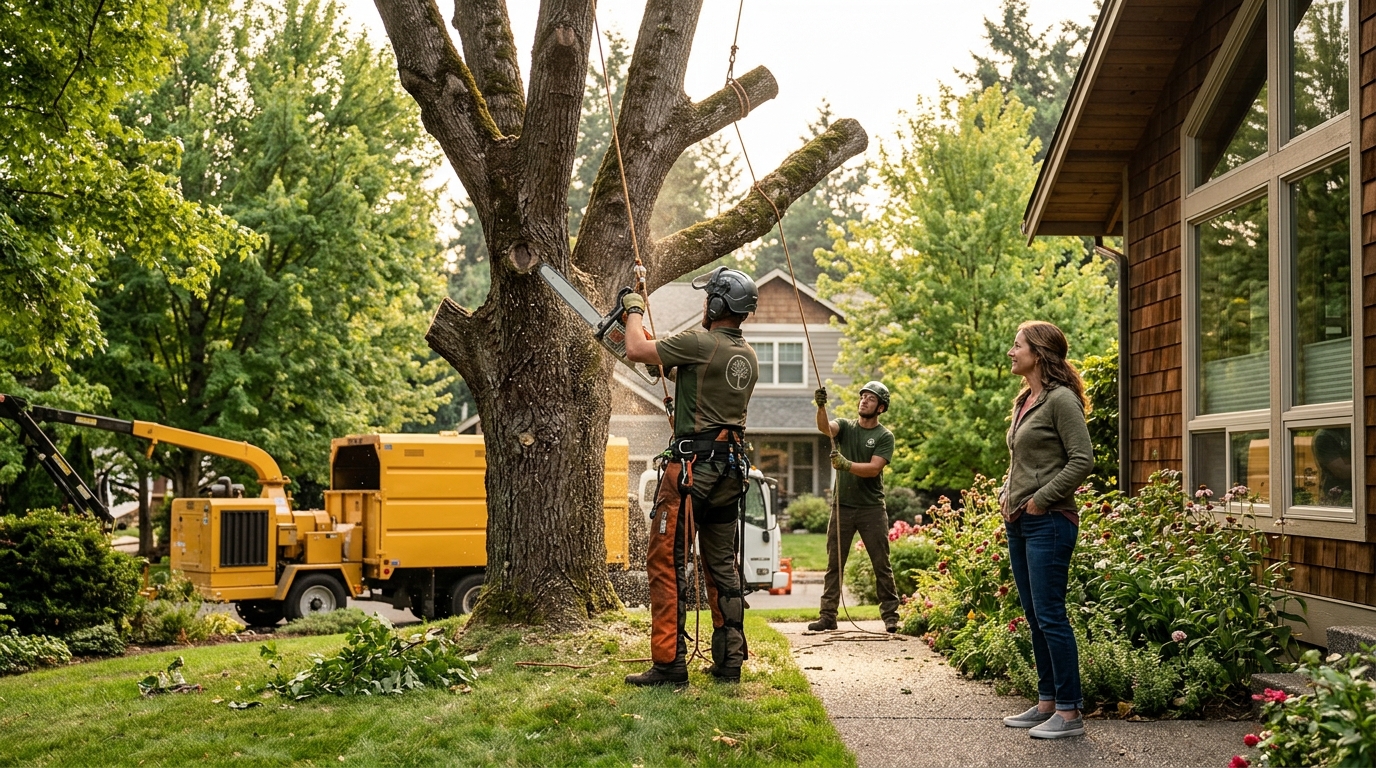
Where the tree is located on your property significantly impacts the price. A tree in an open yard is the cheapest to remove. If the tree is near a house, fence, or power lines, the crew must use more careful techniques, such as rigging and lowering, which adds time and cost. Limited access for trucks and equipment can also raise the price.
Condition of the Tree
A healthy, standing tree is generally easier to remove than a dead, dying, or storm-damaged tree. Dead trees are brittle and unpredictable, requiring extra safety measures. Storm-damaged trees that are leaning or partially fallen often require emergency rates, which are higher than standard scheduled work.
Finding Local Tree Contractors
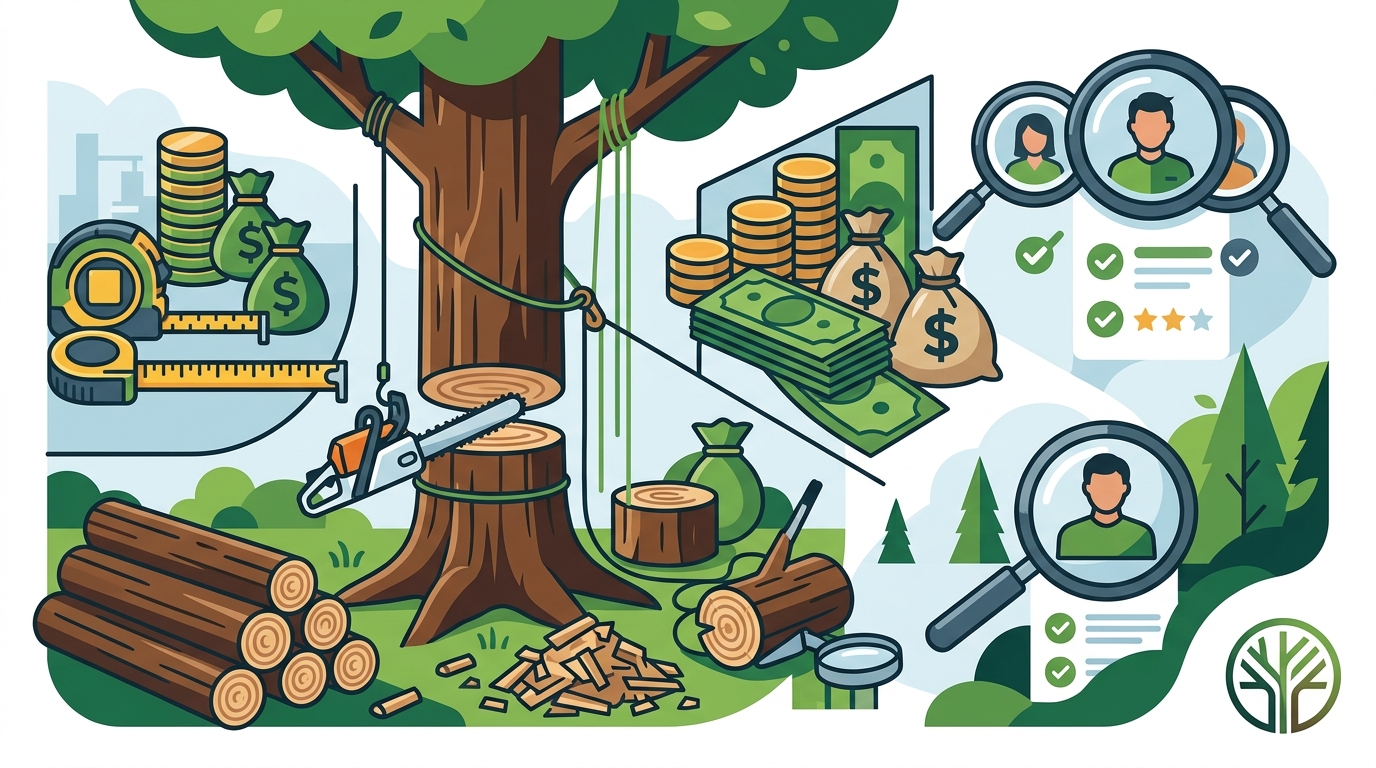
Knowing what a job should cost is only half the battle; you also need to find a qualified professional to do the work. TreeProfessionals.com maintains a directory of tree care companies across the United States. This directory allows you to search by city, ZIP code, or brand name to find local options.
When browsing the directory, you can view company details such as their service area and contact information. The platform connects homeowners with local professionals, allowing you to reach out directly to request a quote. This direct contact method ensures you are speaking with the company that will actually perform the work, rather than a third-party lead generator.
Vetting and Insurance
Not all tree companies are created equal. Before hiring, you must verify that the contractor is legitimate and properly insured. Tree work is dangerous, and an uninsured crew can leave you liable for injuries or property damage.
Insurance Verification
Always ask for a Certificate of Insurance (COI). This document should show both General Liability and Workers' Compensation coverage. General liability protects your property if the crew damages your fence or landscaping. Workers' compensation covers the crew if they are injured on your property. If a company refuses to provide a COI, do not hire them.
Credentials and References
Look for companies with a physical address and a verifiable phone number. While certifications like ISA (International Society of Arboriculture) are a plus, they are not always mandatory for basic removal. Check online reviews and ask for references from recent jobs similar to yours. A reputable company will be transparent about their process and willing to answer your questions.
Permits and Regulations
Many homeowners are surprised to learn that removing a tree may require a permit. Regulations vary by city, county, and homeowners' association (HOA). Some jurisdictions protect certain species or trees above a specific diameter, requiring a permit or even an arborist's assessment before removal.
Before scheduling work, check with your local municipal government or planning department. For example, cities like Bellevue, Washington, and Orlando, Florida, have specific guidelines for tree removal on private property. Failing to obtain a required permit can result in fines or orders to replant. Your tree service provider can often advise you on local requirements, but the responsibility for compliance ultimately rests with the property owner.
Emergency vs. Scheduled Work
Emergency tree removal costs significantly more than scheduled work. Emergency rates typically range from 1.5x to 2x the standard price. This surcharge covers after-hours labor, overtime, and the urgency of the situation. If a tree has fallen on your house or is blocking your driveway, you may need to pay these higher rates to restore safety and access immediately.
If the tree is stable and not causing immediate danger, it is often cheaper to wait for a scheduled appointment. A tree lying in your yard is a mess, but it is not an emergency. Waiting a few days allows you to get competitive quotes and avoid the premium associated with emergency service.
Key Takeaways
- Standard tree removal costs typically range from $200 to $2,000 depending on size and location.
- Emergency work costs 1.5x to 2x more than scheduled appointments.
- Always verify a contractor's General Liability and Workers' Compensation insurance before hiring.
- Check local municipal codes and HOA rules for permit requirements before cutting.
- TreeProfessionals.com provides a directory to find and contact local tree companies directly.
- Get a written, itemized quote from an in-person visit to avoid hidden fees.
- Do not pay more than about a third of the total cost upfront.
- Keep the wood or have it hauled away; clarify this in the contract.
Frequently Asked Questions
How much does it cost to remove a large tree?
A large tree, typically over 60 feet tall, usually costs between $800 and $2,000. If the tree is near a structure or requires a crane, the cost can exceed $2,000. The final price depends on the specific height, diameter, and accessibility of the tree.
Do I need a permit to remove a tree on my property?
It depends on your location. Many cities and counties require permits for removing trees above a certain size or for protected species. You should check with your local planning department or municipal website before scheduling removal to ensure compliance with local laws.
How do I know if a tree service is legitimate?
Verify that the company has a physical address, a verifiable phone number, and current insurance. Ask for a Certificate of Insurance showing General Liability and Workers' Compensation. You can also check online reviews and ask for references from recent clients.
Can I remove a tree myself?
Removing a small tree or trimming low branches is possible for experienced homeowners. However, removing large trees is dangerous and requires specialized equipment and training. It is recommended to hire a professional for any tree over 30 feet or near structures.
Does homeowners insurance cover tree removal?
Homeowners insurance typically covers tree removal if the tree falls and causes damage to your home or other structures. It usually does not cover the removal of a healthy tree or a tree that falls in your yard without causing damage. Check your specific policy for details and deductibles.
How do I find a local tree company?
You can use the TreeProfessionals.com directory to search for tree care companies by your city or ZIP code. The directory lists local professionals with contact information, allowing you to reach out directly to request a quote.
Conclusion
Understanding the costs and logistics of tree removal empowers you to make informed decisions and protect your property. By knowing the typical price ranges, verifying contractor insurance, and checking local permit requirements, you can navigate the process with confidence. TreeProfessionals.com is designed to simplify this journey by providing clear, plain-English answers and a direct line to local professionals. Whether you are dealing with a storm-damaged tree or planning a routine removal, our resources help you find the right information and the right contractor for the job.