
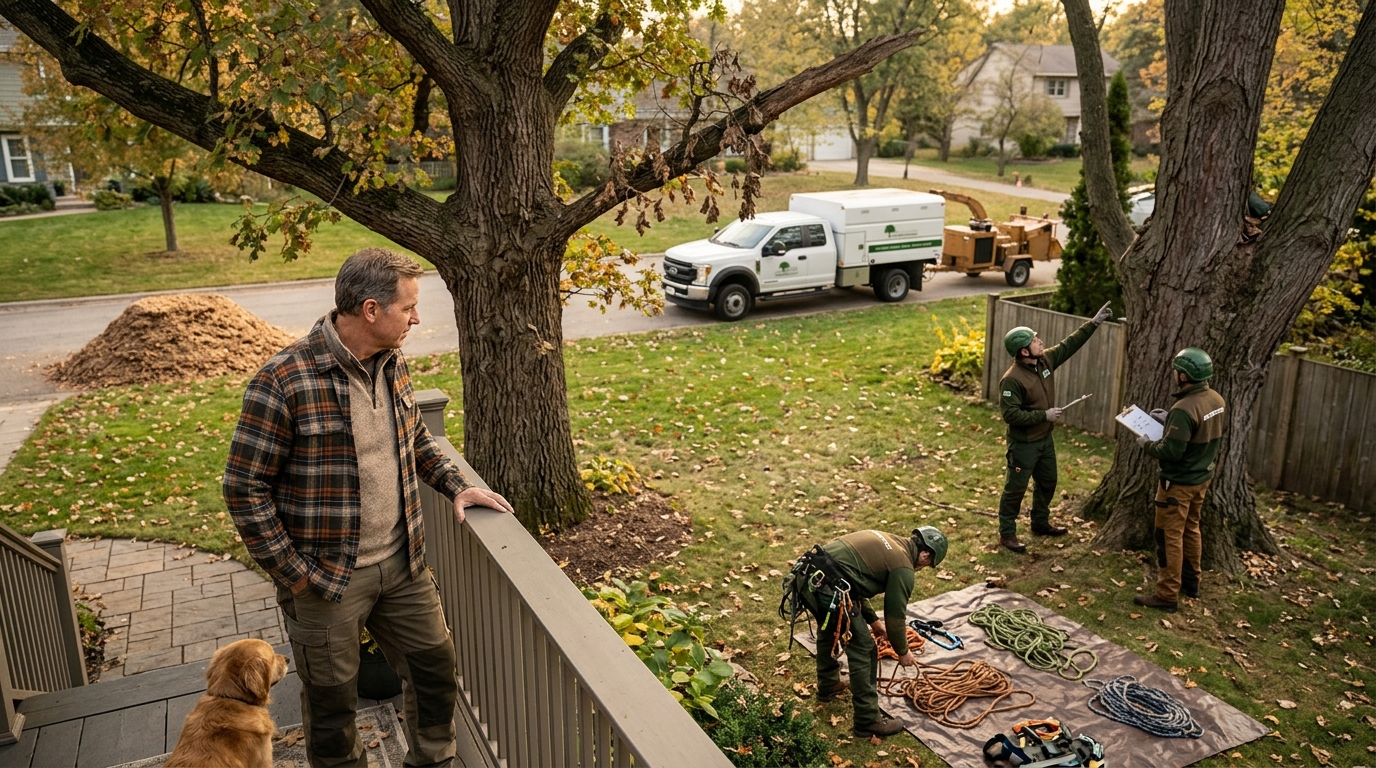
Locating a safe and competent crew for tree removal requires more than a quick search for the lowest price. TreeProfessionals.com helps homeowners navigate this process by providing plain-English guidance on costs, permits, and safety standards. This guide outlines seven practical methods for identifying qualified local contractors who can handle your specific tree removal needs.
1. Search Specialized Tree Care Directories
Use dedicated platforms that focus exclusively on arboriculture and tree services. General home improvement sites often list plumbers and electricians alongside tree crews, which can dilute the quality of results. Specialized directories like the Find a Pro directory allow you to filter by specific services such as removal, stump grinding, or storm damage. This focus ensures the companies you contact have the specific equipment and training required for your job.
2. Verify Insurance and Liability Coverage
Confirm that the contractor carries general liability and workers' compensation insurance. Tree work is physically demanding and carries inherent risks, making insurance a non-negotiable safety net. Ask for a certificate of insurance that lists your property as a certificate holder. This document proves the policy is active and covers the specific dates of your project, protecting you from financial liability if a worker is injured or your property is damaged.
3. Check for Professional Certifications
Look for credentials from recognized industry bodies like the International Society of Arboriculture. While not every tree service requires a certified arborist, the presence of one indicates a higher level of training in tree biology and risk assessment. You can verify these credentials through public directories to ensure the certification is current. A certified professional is better equipped to identify hidden structural defects that a general laborer might miss.
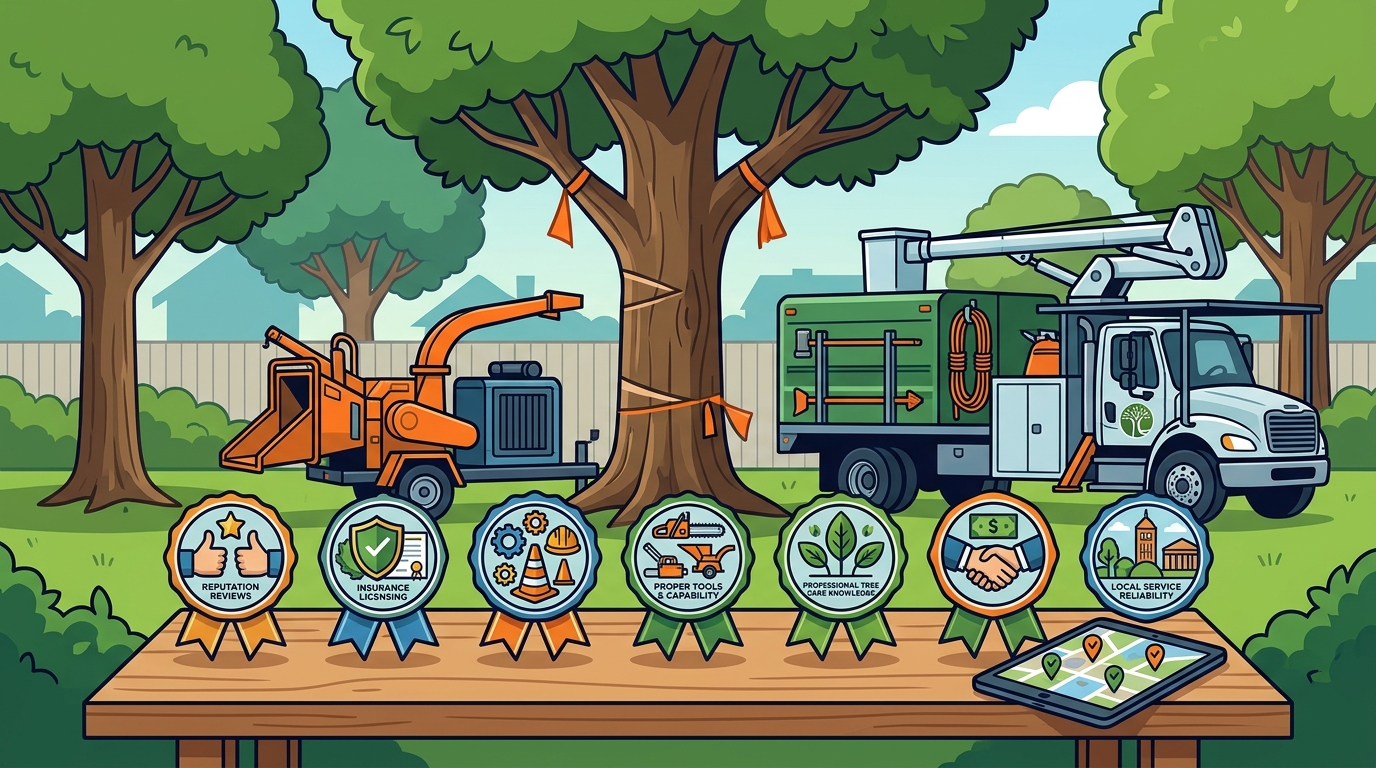
4. Request Detailed Written Estimates
5. Review Local Storm Damage Experience
Assess the crew's experience with emergency and storm-related removals. If your tree is damaged or leaning, you need a team that can work safely under pressure. Check their online presence for photos of past storm work or reviews mentioning emergency response. A company that handles routine pruning may not have the specialized rigging equipment or safety protocols needed for a hazardous, leaning tree.
6. Ask About Permit Requirements
Confirm whether the contractor handles local municipal permits. Many cities and counties require permits for removing trees above a certain trunk diameter or species. A qualified local contractor knows the specific regulations for your area and can often file the paperwork on your behalf. Ignoring permit requirements can result in fines or complications when selling your property in the future.
7. Evaluate Communication and Professionalism
Observe how the company communicates from the first phone call to the final invoice. Professionalism in communication often mirrors professionalism on the job site. Look for prompt responses, clear answers to your questions, and a willingness to explain the process. If a contractor is difficult to reach or dismissive of your concerns, they are likely to be difficult to manage during the actual removal process.
Choosing the Right Contractor
When selecting a tree removal contractor, prioritize safety and transparency over the lowest bid. A slightly higher price from an insured, certified, and communicative professional is a worthwhile investment in protecting your property and your liability. Use the resources at TreeProfessionals.com to vet your options and ensure you are hiring a qualified local expert.
Frequently Asked Questions
How much does tree removal typically cost?
Tree removal costs vary widely based on tree size, location, and accessibility. In the US, typical ranges are $200 to $500 for small trees, $500 to $1,000 for medium trees, and $800 to $1,500 or more for large or hazardous trees. Stump grinding is usually an additional charge of $100 to $400.
Do I need a permit to remove a tree on my property?
Permit requirements vary by city, county, and homeowners association. Many jurisdictions require a permit for trees with a trunk diameter over 6 to 12 inches or for protected species. You should check with your local municipal office or ask your contractor to verify the requirements for your specific address.
What is the difference between an arborist and a tree service?
An arborist is a trained professional who diagnoses tree health and risk, while a tree service is a company that performs physical labor like cutting and hauling. You may need an arborist for a health assessment or a complex risk evaluation, and a tree service for the actual removal work.
How do I verify a tree company's insurance?
Ask the contractor to provide a certificate of insurance (COI) sent directly from their insurance agent. This document should show active coverage for general liability and workers' compensation. Do not accept a photocopied certificate, as it may be outdated or fraudulent.
Can I remove a tree myself?
Homeowners can safely remove small branches or very small trees using hand tools. However, felling a large tree, working near power lines, or using a chainsaw on a tall tree is dangerous and should be left to professionals. Improper felling can cause significant property damage or personal injury.