
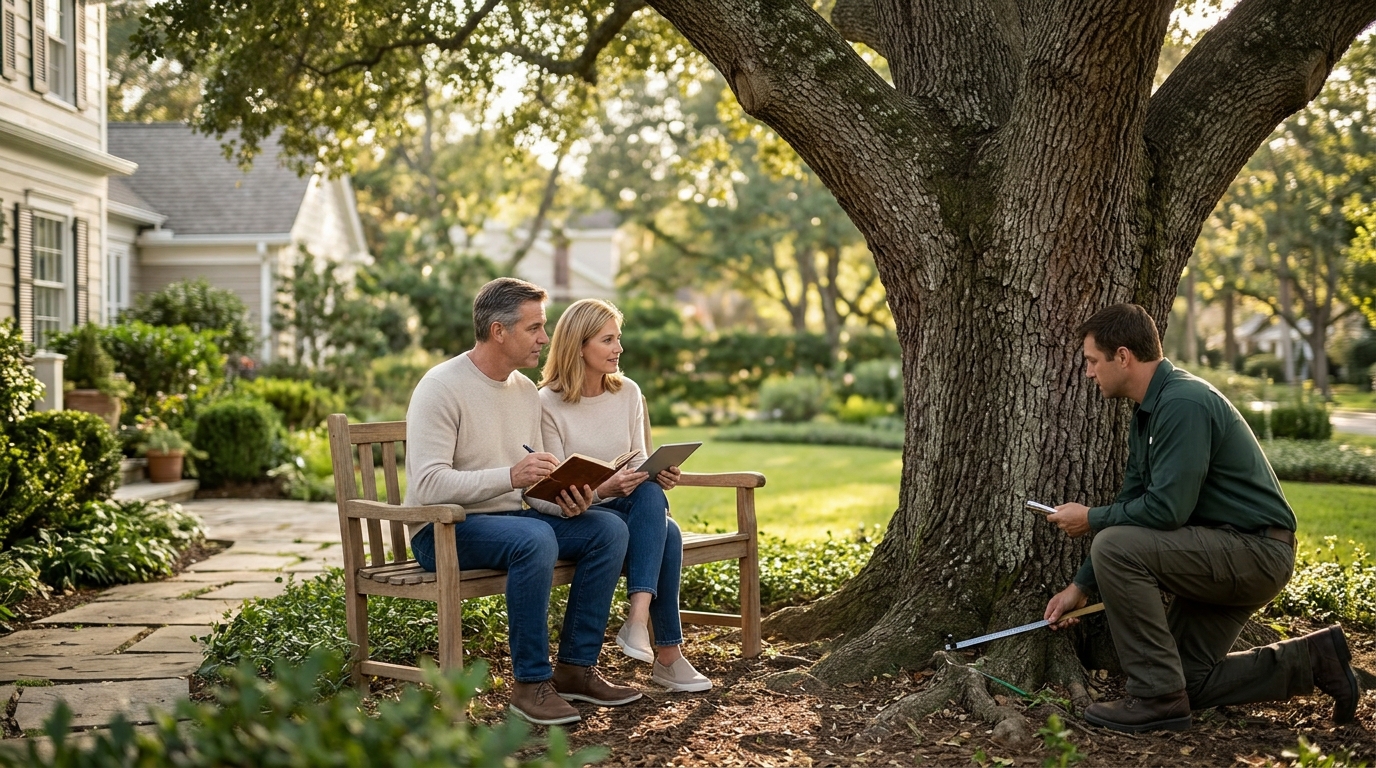
Protected trees are specific species, sizes, or locations designated by local ordinances that require a permit before removal. In the US, these rules vary by city, county, and homeowners association. TreeProfessionals.com helps homeowners navigate these local regulations by providing plain-English answers and connecting you with local professionals who understand your specific municipal codes.
Common Categories of Protected Trees
Local governments typically protect trees based on three main criteria: species, size, and location. Heritage trees are often protected regardless of size due to their historical or cultural significance. Many municipalities also protect large shade trees, often defined by trunk diameter. For example, a city might protect any tree with a trunk diameter exceeding 12 inches. Additionally, trees located in specific zones, such as near waterways or in designated greenbelts, often require permits even if they are not heritage species. Understanding these categories is the first step in determining if your project requires legal approval.
How Local Ordinances Define Protection
Tree protection ordinances are local laws that dictate how trees on private property must be managed. These laws are not uniform across the country. A tree that is protected in one city might be freely removable in a neighboring town. The definition of a protected tree is usually found in the local municipal code or zoning ordinance. Homeowners must check their specific city or county website to find the exact thresholds for protection. For instance, some areas protect all native species, while others only protect non-native ornamental trees above a certain size. This variability means that general advice is not enough; you need local specifics.
The Role of Homeowners Associations
Homeowners associations (HOAs) often have their own tree removal rules that are separate from, and sometimes stricter than, city ordinances. An HOA is a private organization that manages a residential community. These groups may require approval for any tree removal, regardless of whether the city requires a permit. If you live in an HOA, you must check your community bylaws before contacting a tree service. Ignoring HOA rules can result in fines or forced replanting, even if you have a valid city permit. Always verify both municipal and private community requirements before starting any work.
Consequences of Removing a Protected Tree Without a Permit
Removing a protected tree without the required permit is a violation of local law. Penalties vary by jurisdiction but can include fines, mandatory replanting, or even criminal charges in severe cases. The fine is often calculated based on the size of the tree or the value of the property. In some cities, the fine is a flat fee, while in others, it is a percentage of the tree's estimated value. Beyond fines, you may be required to plant a replacement tree of similar size and species. This can be costly and time-consuming. It is always cheaper and faster to get the proper permit before starting work.

How to Check Your Local Requirements
The most reliable way to determine if your tree is protected is to contact your local municipal planning or parks department. You can often find this information online by searching for your city's tree ordinance. Look for terms like "tree removal permit" or "protected tree list" on your city's official website. If you cannot find the information online, call the department directly. Provide them with the species, size, and location of the tree. They will tell you if a permit is required and guide you through the application process. TreeProfessionals.com provides a directory of local professionals who can help you navigate this process and handle the physical work once you have the necessary approvals.
Key Takeaways
- Protected trees are defined by local ordinances based on species, size, or location.
- Heritage trees are often protected regardless of size due to historical significance.
- HOAs may have stricter rules than city ordinances, so check both.
- Removing a protected tree without a permit can result in fines and mandatory replanting.
- Always verify local requirements with your municipal planning department before starting work.
- TreeProfessionals.com helps you find local professionals who understand your specific regulations.
Frequently Asked Questions
What is a heritage tree?
A heritage tree is a tree designated as protected due to its historical, cultural, or scientific significance. These trees are often protected regardless of their size or health status.
Do I need a permit to remove a dead tree?
It depends on local ordinances. Some cities require permits for dead protected trees, while others may waive the requirement if the tree poses an immediate safety hazard. Always check with your local planning department.
How much does a tree removal permit cost?
Permit costs vary by municipality. Some cities charge a flat fee, while others base the cost on the size of the tree. It is best to check your local government website for specific fees.
Can I remove a tree that is on my property but protected by the city?
No, you cannot remove a protected tree without a permit, even if it is on your property. Local ordinances apply to all trees within city limits, regardless of ownership.
What happens if I remove a protected tree without a permit?
You may face fines, be required to replant a tree, or face other penalties as defined by your local ordinance. The severity of the penalty depends on the specific rules in your area.
How do I find out if my tree is protected?
Contact your local municipal planning or parks department. Provide them with the species, size, and location of the tree. They will tell you if it is protected and if a permit is required.
Next Steps for Homeowners
Understanding protected tree laws is essential for any property owner planning tree work. Start by identifying the species and size of your tree. Then, check your local municipal code and HOA bylaws. If a permit is required, apply for it before contacting a tree service. TreeProfessionals.com is here to help you find local professionals who can guide you through this process and ensure your project complies with all local regulations. Visit our Find a Pro directory to connect with a local expert in your area.