
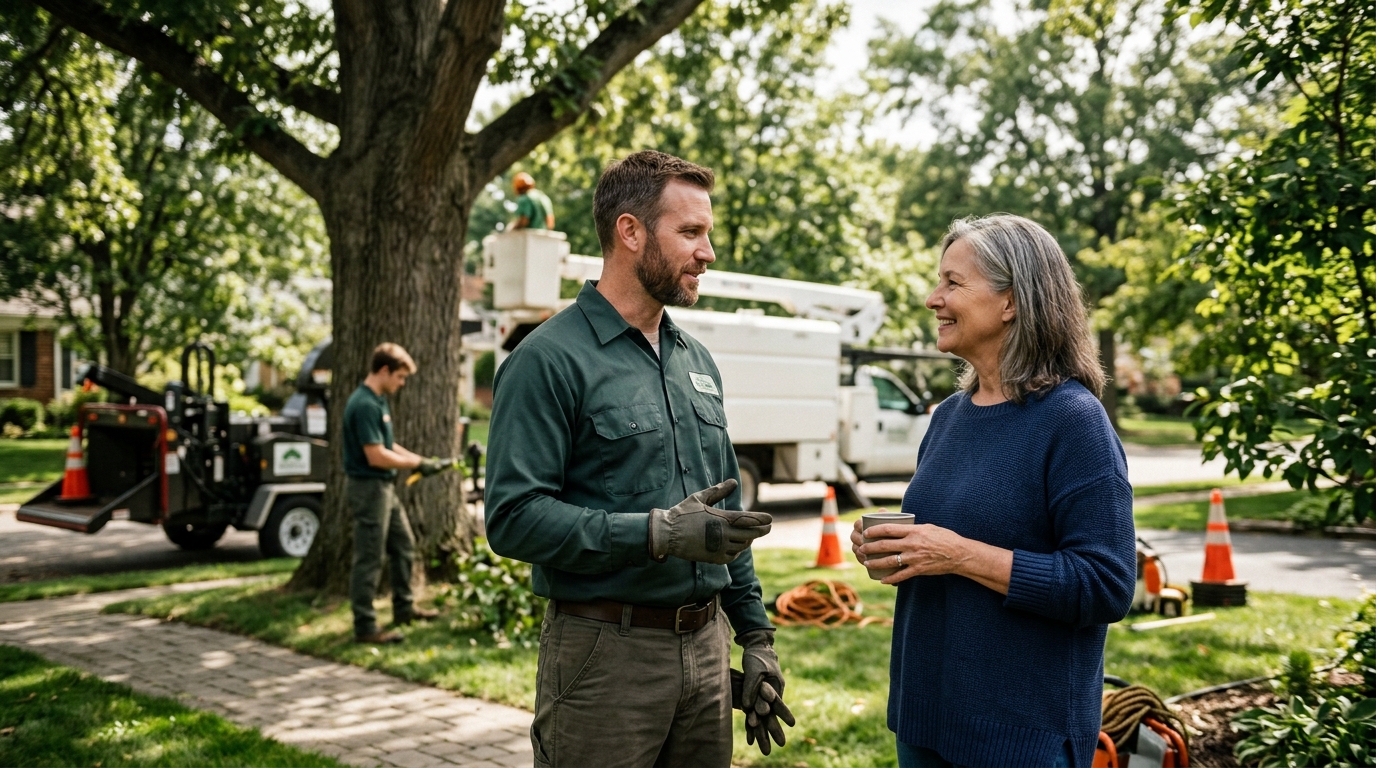
Find a trustworthy tree service by verifying insurance, checking physical presence, and reviewing references. TreeProfessionals.com helps homeowners vet local pros using plain-English guides and a directory of listed companies. This guide covers red flags like cash-only payments and low bids.
Why Vetting Matters
Tree work is expensive and occasionally dangerous. In most states, there is no specific license to look up for tree removal or pruning. This lack of regulation means anyone with a pickup truck and a chainsaw can call themselves a tree service. The price for the same tree can vary by hundreds of dollars depending on what a quote leaves out. A mistake by an unvetted crew can cost more than your house. Vetting is short but critical. It takes about 10 minutes per company to check the basics. This process separates real companies from risky ones.
Insurance Verification
Insurance is the real test of legitimacy. A legitimate tree company can show a current certificate of insurance. This document must include general liability and workers' compensation. General liability coverage is commonly $1,000,000 per occurrence. This covers damage to your house, fence, or car. Workers' compensation covers the crew if someone is hurt on your property. Ask the company's insurance agent to send the certificate to you directly by email. This step defeats the most common trick, which is a photocopied certificate from a policy that lapsed last year. Check that both policy periods include the date of your job. Honest companies hand this over without blinking because they are asked every week.
What to look for on the certificate
Look for two specific lines on the certificate. The first is general liability. The second is workers' compensation. Verify the dates are current. Verify the coverage amounts are sufficient. If the agent does not send it, do not hire them. If the policy has lapsed, do not hire them. This is a non-negotiable step in the hiring process.
Physical Presence and Credentials
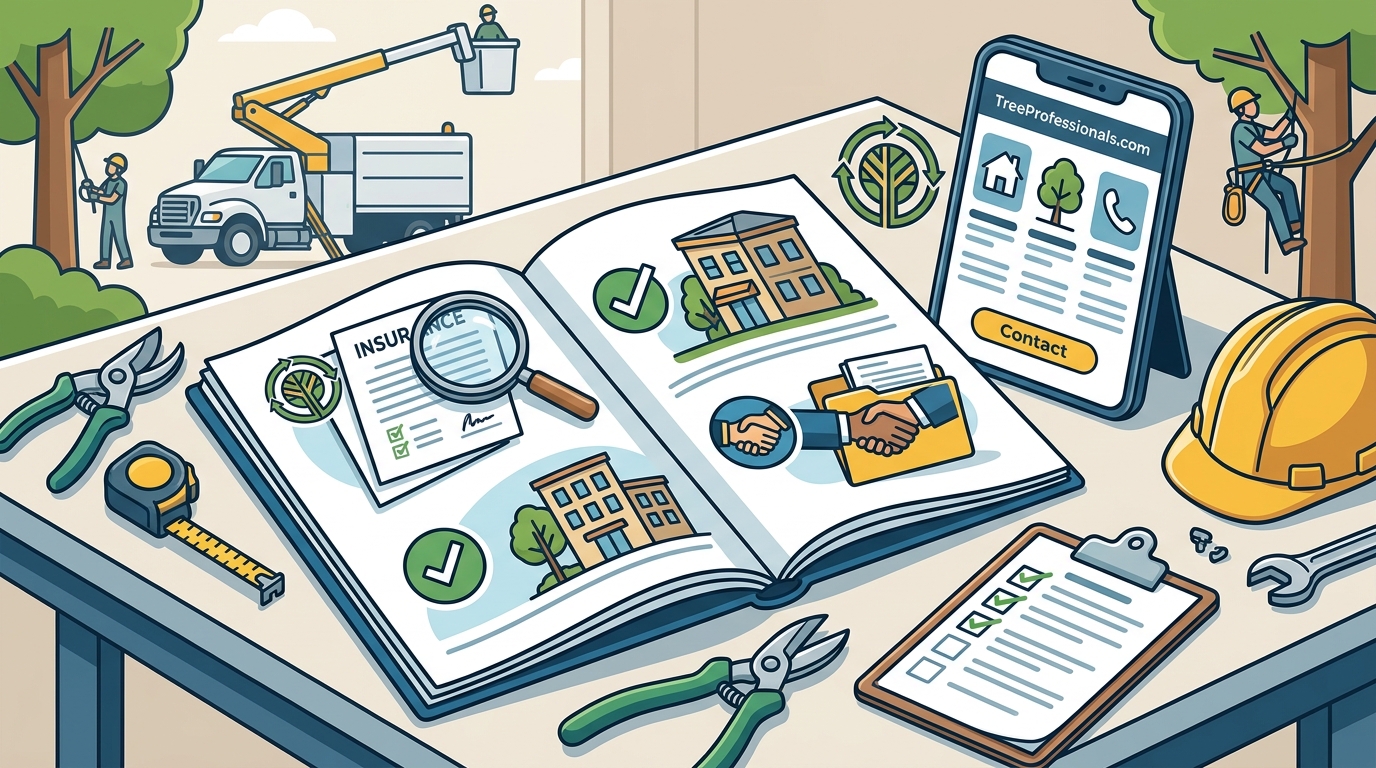
Check for a physical address and a working phone number. Search the name and address on a map. Call the number to ensure it is answered. Check that the name on the truck matches the quote. A local phone number is a good sign. A P.O. box is a red flag. Also check for credentials. Ask for the ISA Certified Arborist name and number. Verify this in the ISA public directory. This takes two minutes. A certified arborist is a trained individual who understands how trees grow, fail, and recover. They are different from a general tree service crew. Knowing the difference helps you hire the right person for the job.
License requirements
In most states, tree removal and pruning are not licensed trades. A handful of states and some cities do require something. This might be a general contractor's license once the job value passes a threshold. It might be a specific tree-expert or arborist license in a few states. It might be a pesticide applicator license for anyone spraying or injecting trees. Your state contractor board's website will tell you in a minute whether any of that applies. Where it does, look the number up and confirm it is active. Where it does not, do not mistake a city business license for a qualification. It means they paid a fee, nothing more.
Written Proposals and Scope
Get a written proposal from an in-person visit. The proposal must be itemized. It should list felling, chipping, haul-away, stump, cleanup, permit, and crane. Each item should be priced or marked included. One clear proposal is better than three vague estimates. Ask who does the work. Ask what protects the lawn. Ask if the price is fixed. Ask about the deposit. Pay no more than about a third up front. Pay by check or card. Hold the balance until the yard is clean. This protects you from scope creep and unfinished work.
Cash-Only Payments
Unusually Low Bids
Key Takeaways
- Verify insurance with a certificate sent directly by the agent.
- Check for a physical address and working phone number.
- Verify ISA certification numbers in the public directory.
- Require a written, itemized proposal from an in-person visit.
- Walk away from cash-only crews immediately.
- Be wary of unusually low bids that may indicate corner-cutting.
- Pay no more than a third up front and use traceable methods.
- Use TreeProfessionals.com to find listed local professionals.
Frequently Asked Questions
Do tree companies need a license?
In most states, no. Tree removal and pruning are not licensed trades the way plumbing and electrical work are. A handful of states and some cities do require something, such as a general contractor's license or a specific tree-expert license. Your state contractor board's website will tell you if any of that applies.
How do I verify a tree company's insurance?
Ask for a certificate of insurance and ask that the company's insurance agent send it to you directly by email. This defeats the trick of using a photocopied certificate from a lapsed policy. Check that both general liability and workers' compensation are current.
What is the difference between an arborist and a tree service?
An arborist is a person trained in tree biology who diagnoses, rates risk, and advises. A tree service is a company that cuts. Call an arborist to learn whether a tree can be saved or how risky it is. Call a tree service when it is clearly coming down.
How much does tree removal cost?
Removing a tree costs $200 to $2,000 in the US, depending mostly on height and access. A small tree under 30 feet runs $200 to $500. A 30 to 60 foot tree runs $500 to $1,000. Large or hazardous removals can exceed $2,000. Stump grinding is usually a separate $100 to $400 charge.
Should I pay cash for tree work?
No. Cash-only crews are a red flag. A legitimate business uses traceable payment methods like checks and credit cards. If a crew asks for cash only, walk away. This indicates they may lack insurance or a physical address.
What questions should I ask before hiring?
Ask who does the work, what protects the lawn, if the price is fixed, and what deposit is required. Also ask for references from similar recent jobs. Read the one-star reviews for patterns. These questions help you understand the scope and reliability of the crew.
Conclusion
Finding a trustworthy tree service requires diligence. Verify insurance, check physical presence, and review references. Avoid cash-only crews and unusually low bids. Use the Find a Pro directory on TreeProfessionals.com to browse listed companies. You can search by city, ZIP, or brand. This helps you connect with local professionals who are ready to hire. For more guidance on costs and permits, visit our Learn hub. TreeProfessionals.com provides plain-English answers to help you make informed decisions about your trees.