
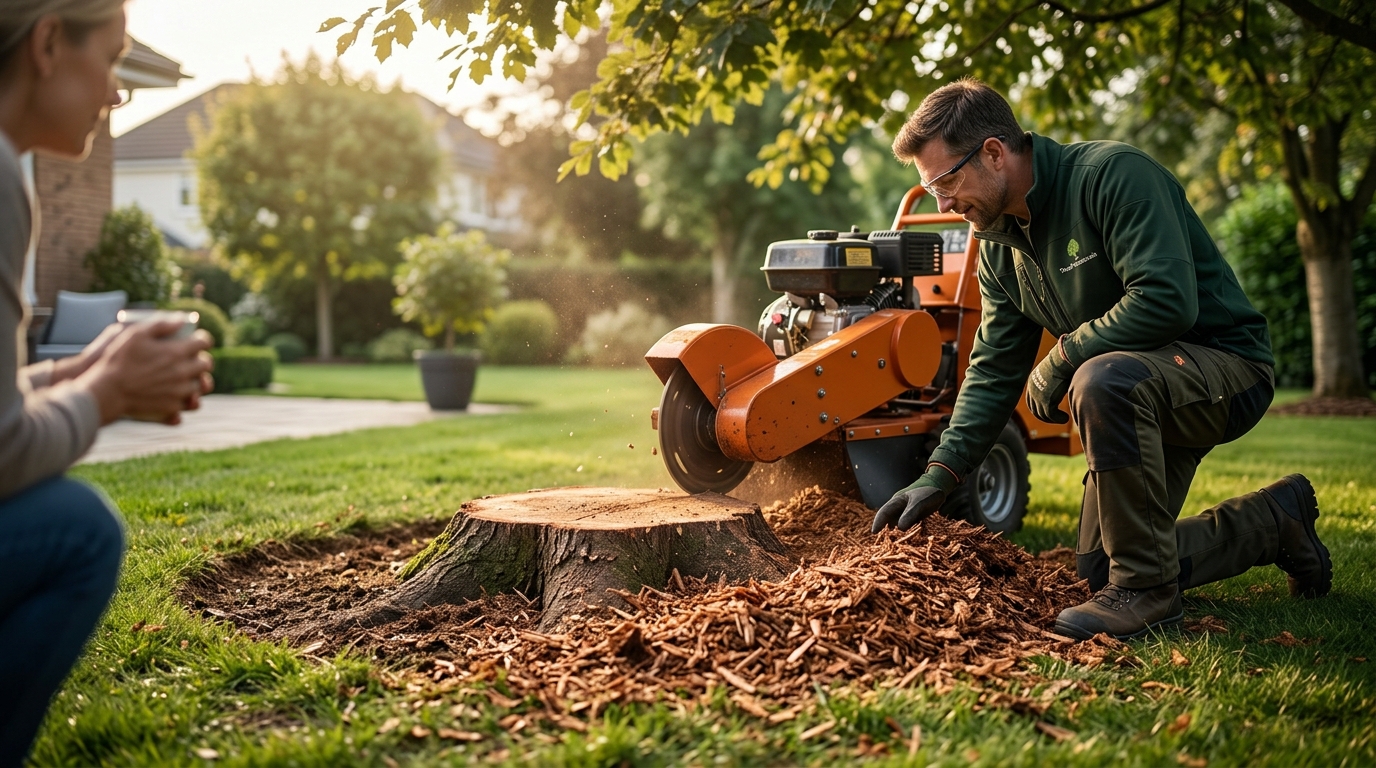
Stump grinding typically costs between $100 and $400 per stump in the United States. Most professionals charge $2 to $5 per inch of diameter, with a minimum fee of $100 to $150. This guide breaks down the pricing structure, the factors that drive costs up or down, and how to verify a contractor before you hire them. We cover the full process, from the initial quote to the final cleanup, so you know exactly what to expect.
How to Choose a Stump Grinding Service
Choosing the right contractor is about more than finding the lowest price. A reliable stump grinding service should have a physical address, a working phone number, and a written, itemized quote. In most states, there is no specific license required for tree work, which means insurance is the primary indicator of a legitimate business. A professional company will provide a certificate of insurance (COI) showing general liability and workers' compensation coverage. This protects you if a crew member is injured on your property or if your landscaping is damaged during the job. according to Home Improvement Contract
The Importance of Written Quotes
Always insist on a written proposal. This document should list the cost of grinding, the cost of chip removal, and any additional fees for difficult access. A verbal estimate is not a contract and can change once the crew arrives on site. A written quote ensures that both you and the contractor agree on the scope of work and the final price before any equipment is brought to your yard.
Red Flags to Watch For
Be wary of door-knockers who appear after a storm without an appointment. These crews often charge premium prices and may not be insured. Similarly, avoid companies that only accept cash or refuse to provide a certificate of insurance. A legitimate business will be transparent about their pricing and willing to provide proof of their legal standing and financial responsibility.
What to Ask Before Committing
Before you sign a contract, ask specific questions to clarify the scope of the job. The most important question is whether the price includes the removal of the wood chips. Grinding leaves a mound of chips in the hole, and some companies charge an extra $50 to $150 to haul them away. If you want the area left clean and ready for planting or mowing, you need to confirm that this service is included in the base price.
Access and Equipment Questions
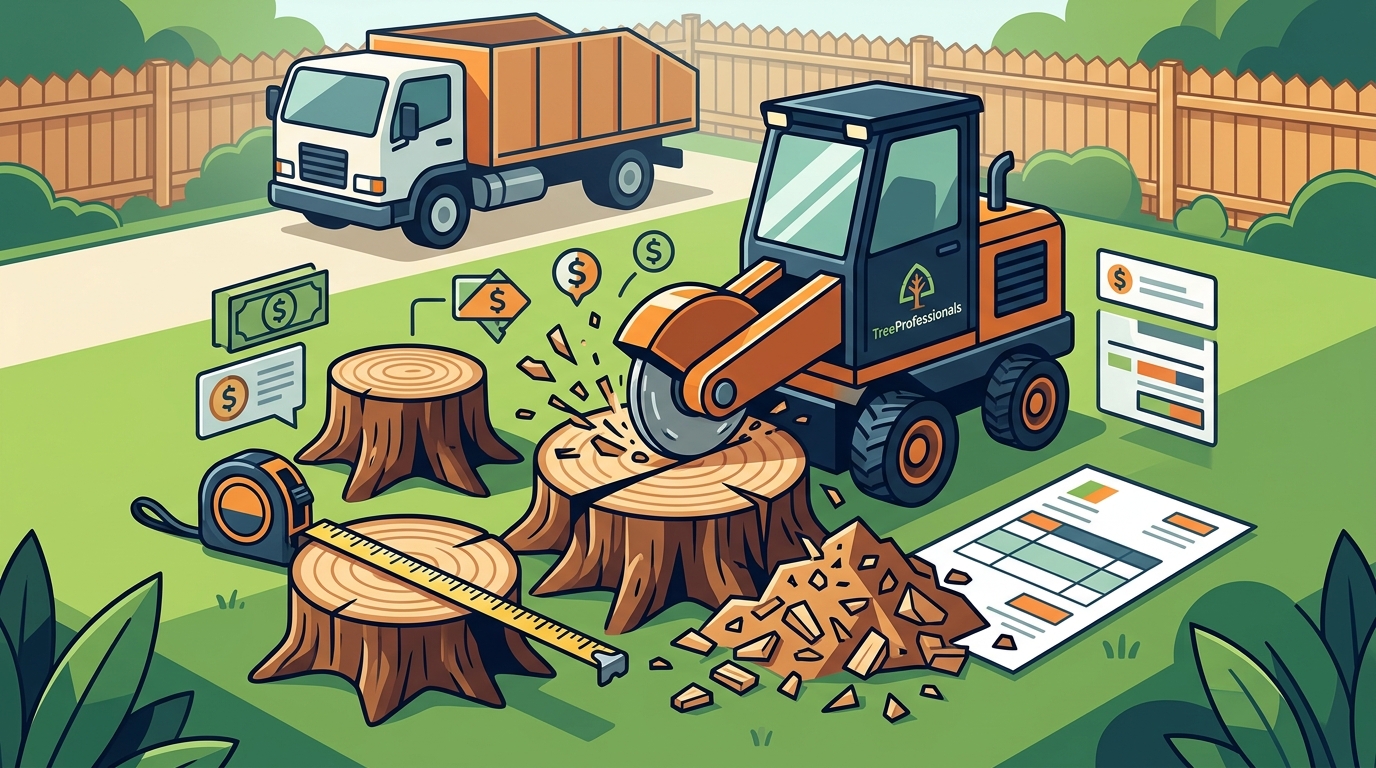
Ask the contractor what equipment they will use and how they will access the stump. If the stump is behind a gate or near a fence, the crew may need a smaller machine, which can take longer and cost more. Clarify if they will bring a truck to haul away the debris or if you need to arrange your own disposal. These details can significantly impact the final invoice.
Timeline and Cleanup
Ask how long the job will take and when it will be completed. Most stumps are ground in 15 minutes to two hours, but complex jobs can take longer. Confirm the cleanup process, including how they will protect your lawn and whether they will backfill the hole with soil or leave it as is. Clear communication on these points prevents surprises and ensures the job is finished to your satisfaction.
How to Verify Credentials and Insurance
Verifying a contractor's credentials is a simple process that takes about ten minutes. Start by searching for the company's name and address online to ensure they are a real business. Check for any state or local licenses if they are required in your area. More importantly, request a certificate of insurance directly from the company. This document should be sent by the insurance agent and show current coverage for general liability and workers' compensation.
Checking the Certificate of Insurance
When you receive the COI, verify that the policy is current and that the coverage limits are sufficient. General liability coverage of $1,000,000 per occurrence is a common standard for tree work. If the document is expired or the coverage is low, do not hire the company. You can also call the insurance agent listed on the certificate to confirm that the policy is active. This step protects you from liability if an accident occurs on your property.
References and Reviews
Ask for references from recent customers and call them to ask about their experience. Pay attention to how the crew communicated, how they handled the cleanup, and if the final price matched the quote. Online reviews can provide additional insights, but be cautious of fake reviews. A company with a consistent history of positive feedback and verifiable insurance is a safer choice than one with a spotty track record.
How the Grinding Process Works
Stump grinding is a mechanical process that chips the stump down to 6 to 12 inches below ground level. The operator uses a machine with a rotating blade to shave off the wood, turning it into small chips. The roots remain in the ground and will eventually rot, which is why grinding is often preferred over full excavation. The process is relatively quick and leaves the surrounding soil undisturbed, making it easier to replant or mow the area afterward.
The Step-by-Step Process
The job begins with an assessment of the stump's size and location. The operator then positions the grinder and begins chipping the wood. As the stump is lowered, the chips are collected in a bucket or blown into a pile. Once the stump is ground to the desired depth, the operator may backfill the hole with soil or leave it as is. The entire process usually takes less than two hours for a standard stump.
What Happens to the Roots?
The roots are not removed during grinding. They remain in the ground and will decompose over time. This is generally not a problem for most homeowners, as the roots do not interfere with mowing or planting. However, if you are building a structure on the spot, you may need to consider full stump removal instead of grinding. The remaining roots will eventually rot, but this can take several years depending on the species and soil conditions.
What Drives the Cost of Stump Grinding
The cost of stump grinding is primarily determined by the diameter of the stump and the difficulty of access. Most companies charge $2 to $5 per inch of diameter, with a minimum fee of $100 to $150. This means that a small stump and a medium stump may cost the same, as the minimum fee covers the cost of bringing the equipment to your site. The per-inch rate only starts to matter for larger stumps, typically those over 30 inches in diameter.
Size and Species
The size of the stump is the biggest factor in pricing. A 20-inch stump might cost $100 to $150, while a 40-inch stump could cost $150 to $250. The species of the tree also plays a role, as dense hardwoods like oak and hickory grind slower than softwoods like pine or maple. This can add time to the job and increase the cost. If you have multiple stumps, the price for each additional stump is often lower, as the equipment is already on site.
Access and Location
Access is the second biggest factor. A stump in an open yard is easy to reach, but a stump behind a gate, on a slope, or near a foundation requires more time and care. These difficult locations can add a surcharge to the base price. The operator may need to use hand tools to clear the area or position the machine in a more precise way. This extra work increases the labor cost and, consequently, the price you pay.
| Stump Diameter | Typical Tree | Grinding Cost | Full Removal Cost |
|---|---|---|---|
| Under 12 inches | Ornamental, fruit tree | $100–$150 | $300–$400 |
| 12–24 inches | Mature fruit tree, small maple | $100–$200 | $400–$600 |
| 24–36 inches | Mature maple, oak, ash | $150–$300 | $600–$900 |
| 36 inches and up | Large oak, sycamore | $250–$400+ | $900–$1,000+ |
Common Mistakes and How to Avoid Them
One of the most common mistakes is not getting a written quote. Verbal estimates can change once the crew sees the stump, leading to unexpected charges. Always insist on a written proposal that includes all fees and services. Another mistake is not checking the insurance. If the company is not insured and an accident occurs, you could be held liable for medical bills or property damage. Verifying the COI is a simple step that protects your financial interests.
Ignoring Access Issues
Homeowners often underestimate the difficulty of accessing a stump. If the stump is in a tight space, the operator may need to bring a smaller machine or use hand tools, which takes longer and costs more. Discuss the access issues with the contractor before the job starts so they can provide an accurate quote. This prevents disputes over the final price and ensures the job is completed efficiently.
Not Clarifying Cleanup
Many homeowners assume that the price includes the removal of the wood chips. In reality, some companies charge an extra fee for this service. If you want the area left clean, you need to confirm that chip removal is included in the quote. Failing to clarify this point can lead to a higher final bill and a messy yard. Always ask about the cleanup process and what is included in the base price.
Stump Grinding vs. Other Removal Methods
Stump grinding is the most common method for removing stumps, but it is not the only option. Full stump removal involves digging out the stump and the root ball, which is more expensive and labor-intensive. This method is usually only necessary if you are building a structure on the spot or need to plant a new tree exactly where the old one stood. Grinding is cheaper and faster, making it the preferred choice for most homeowners.
Grinding vs. Excavation
Grinding costs $100 to $400 per stump, while full removal costs $300 to $1,000 or more. Grinding leaves the roots in the ground, which will rot over time, while excavation removes the entire root system. Excavation leaves a large hole that needs to be backfilled, which can disturb the lawn and require additional work. For most residential applications, grinding is the more practical and cost-effective solution.
DIY Options
Costs for Specific Situations
The cost of stump grinding can vary depending on the specific situation. If the stump is still tall, say 2 feet instead of the usual 6 to 12 inches, it will cost more because there is more wood to grind. Similarly, if the stump is surrounded by landscaping or rocks, the operator may need to do extra work to clear the area. These factors can add to the base price, so it is important to discuss them with the contractor before the job starts.
Multiple Stumps
If you have multiple stumps, the cost for each additional stump is often lower. Once the equipment is on site, the marginal cost of grinding another stump is just the time it takes to do the work. This means that the second and later stumps are often $50 to $100 less each than the first. If you have three or more stumps, ask for a per-visit price instead of a per-stump price. A flat fee for a morning of grinding can be a good deal.
Difficult Locations
Stumps in difficult locations, such as on a slope or near a foundation, can cost more to grind. The operator may need to use hand tools to clear the area or position the machine in a more precise way. This extra work increases the labor cost and, consequently, the price you pay. If your stump is in a difficult location, be sure to mention it when you request a quote so the contractor can provide an accurate estimate.
Rules, Permits, and Homeowner Protections
In most areas, you do not need a permit to grind a stump on your own property. However, some cities or homeowners' associations may have rules about how the area is left after the job. For example, they may require you to backfill the hole or replant the area. Check with your local authorities or HOA before you start the work to ensure you are in compliance with any local regulations.
Insurance and Liability
As a homeowner, you are protected by the contractor's insurance if an accident occurs on your property. This is why it is so important to verify the COI before hiring. If the contractor is not insured and an accident occurs, you could be held liable for medical bills or property damage. By hiring an insured company, you transfer the risk of injury or damage to their insurance policy, protecting your own financial interests.
Contractual Protections
A written contract or quote serves as a contractual protection for both you and the contractor. It outlines the scope of work, the price, and the timeline for completion. If the contractor fails to complete the job as agreed, you have a legal document to reference. This is why it is important to insist on a written quote and to keep a copy for your records. A clear contract helps prevent disputes and ensures that both parties are on the same page.
Local Factors That Affect Pricing
Local factors can significantly impact the cost of stump grinding. In high-cost-of-living areas, labor rates are higher, which can increase the price of the job. Similarly, if the area has a high demand for tree services, prices may be higher due to the increased competition for crews. Conversely, in rural areas, prices may be lower, but you may have to travel further to find a reputable contractor.
Regional Variations
Prices can vary by region due to differences in labor costs, equipment availability, and local regulations. For example, in some states, there are specific regulations about how stumps must be removed or how the area must be restored. These regulations can add to the cost of the job. It is important to get quotes from local contractors who are familiar with the specific rules and conditions in your area.
Seasonal Demand
Seasonal demand can also affect pricing. In the spring and fall, when tree work is most common, prices may be higher due to the increased demand for crews. In the winter, when there is less demand, you may be able to get a better deal. However, weather conditions can also impact the job, as wet or frozen ground can make it more difficult to grind the stump. Discuss the timing of the job with the contractor to ensure they can complete it in a timely manner.
When to Schedule Stump Grinding
The best time to schedule stump grinding is when the ground is dry and firm. Wet ground can make it difficult for the equipment to operate and can damage the lawn. Frozen ground can also be a problem, as it can be too hard for the grinder to penetrate. Spring and fall are generally the best times to schedule the work, as the ground is usually dry and the weather is mild. However, you can grind a stump at any time of year as long as the ground conditions are suitable.
Planning Ahead
If you are planning a landscaping project, it is a good idea to schedule the stump grinding early in the process. This allows the area to settle and gives you time to replant or install new features. Grinding the stump before you start other work can also make it easier for the other contractors to access the site. By planning ahead, you can ensure that the job is completed on time and that the area is ready for the next phase of your project.
Emergency Situations
In some cases, you may need to have a stump ground out quickly, such as if it is in the way of a construction project or if it is a safety hazard. In these situations, you may need to pay a premium for emergency service. However, most contractors can schedule a job within a few days, so it is usually not necessary to pay for emergency service unless the situation is truly urgent.
Long-Term Results and Site Recovery
After the stump is ground, the area is left with a mound of wood chips and a hole in the ground. The chips can be left in place or hauled away, depending on your preference. If you leave the chips, they will break down over time and add organic matter to the soil. This can be beneficial for the health of the surrounding plants. The hole can be backfilled with soil or left as is, depending on your plans for the area.
Replanting and Landscaping
If you want to plant a new tree or shrub in the area, you can do so after the stump is ground. The remaining roots will rot over time, which will not interfere with the new plant. However, if you are planting a tree with a similar species, you may want to wait a few years to allow the old roots to fully decompose. This prevents any potential competition for nutrients or water. For most landscaping projects, the area is ready for replanting immediately after the grinding is complete.
Soil Health and Erosion
Leaving the wood chips in the hole can help prevent erosion and improve soil health. The chips break down slowly, releasing nutrients into the soil and providing a habitat for beneficial microorganisms. This can be beneficial for the overall health of your yard. If you haul the chips away, you may want to backfill the hole with soil to prevent erosion and create a level surface for mowing or planting.
Key Takeaways
- Stump grinding typically costs $100 to $400 per stump, with a minimum fee of $100 to $150.
- Most companies charge $2 to $5 per inch of diameter, so larger stumps cost more.
- Always get a written, itemized quote that includes the cost of chip removal.
- Verify the contractor's insurance by requesting a certificate of insurance (COI).
- Grinding leaves the roots in the ground, which will rot over time and is usually not a problem.
- Full stump removal is more expensive and is only necessary if you are building on the spot.
- Access and location can significantly impact the cost, so discuss these factors with the contractor.
- The best time to schedule the work is when the ground is dry and firm, typically in spring or fall.
Frequently Asked Questions
How much does stump grinding cost per inch?
Most companies charge $2 to $5 per inch of stump diameter. This rate is applied to the widest part of the stump at ground level, including the flare where the roots spread. There is usually a minimum fee of $100 to $150, which covers the cost of bringing the equipment to your site.
Is stump grinding cheaper than full removal?
Yes, stump grinding is significantly cheaper than full removal. Grinding costs $100 to $400 per stump, while full removal costs $300 to $1,000 or more. Grinding is the preferred choice for most homeowners because it is faster and less disruptive to the yard.
Do I need a permit to grind a stump?
In most areas, you do not need a permit to grind a stump on your own property. However, some cities or homeowners' associations may have rules about how the area is left after the job. Check with your local authorities or HOA before you start the work to ensure you are in compliance with any local regulations.
What happens to the roots after grinding?
The roots remain in the ground and will eventually rot. This is generally not a problem for most homeowners, as the roots do not interfere with mowing or planting. However, if you are building a structure on the spot, you may need to consider full stump removal instead of grinding.
How long does stump grinding take?
Most stumps are ground in 15 minutes to two hours. The exact time depends on the size of the stump and the difficulty of access. Complex jobs, such as those in tight spaces or on slopes, can take longer. The operator will give you a more accurate estimate after assessing the stump on site.
Can I plant where the stump was ground?
Yes, you can plant where the stump was ground. The remaining roots will rot over time, which will not interfere with the new plant. However, if you are planting a tree with a similar species, you may want to wait a few years to allow the old roots to fully decompose. For most landscaping projects, the area is ready for replanting immediately after the grinding is complete.
Does the price include chip removal?
Not always. Some companies charge an extra $50 to $150 to haul away the wood chips. If you want the area left clean and ready for planting or mowing, you need to confirm that this service is included in the base price. Always ask about the cleanup process when you request a quote.
How do I know if a tree company is legit?
A legitimate tree company can show a current certificate of insurance, a physical address, a working phone number, and a written itemized quote. In most states, there is no specific license required for tree work, so insurance is the primary indicator of a legitimate business. Checking all of these details takes about ten minutes and protects you from liability if an accident occurs.
Find a Professional for Your Stump
Ready to get rid of that stump? TreeProfessionals.com helps you find local tree care professionals who can handle the job. Browse our directory to find companies in your area and contact them directly for a quote. We provide plain-English answers to your tree care questions, so you can make informed decisions about your property. Visit our Find a Pro page to get started.